Luxury garden coir shade is becoming one of the most talked-about products in the sustainable landscaping industry, driven by rising global interest in eco-friendly outdoor design and the growing need for natural shading materials. The background behind this trend reflects a global movement: homeowners, resorts, architects, and urban planners are turning toward environmentally responsible solutions that blend aesthetic appeal with durable performance. As concerns about climate change intensify, many international markets are shifting from synthetic landscape materials toward biodegradable options, putting coir-based shade products at the center of industry attention.
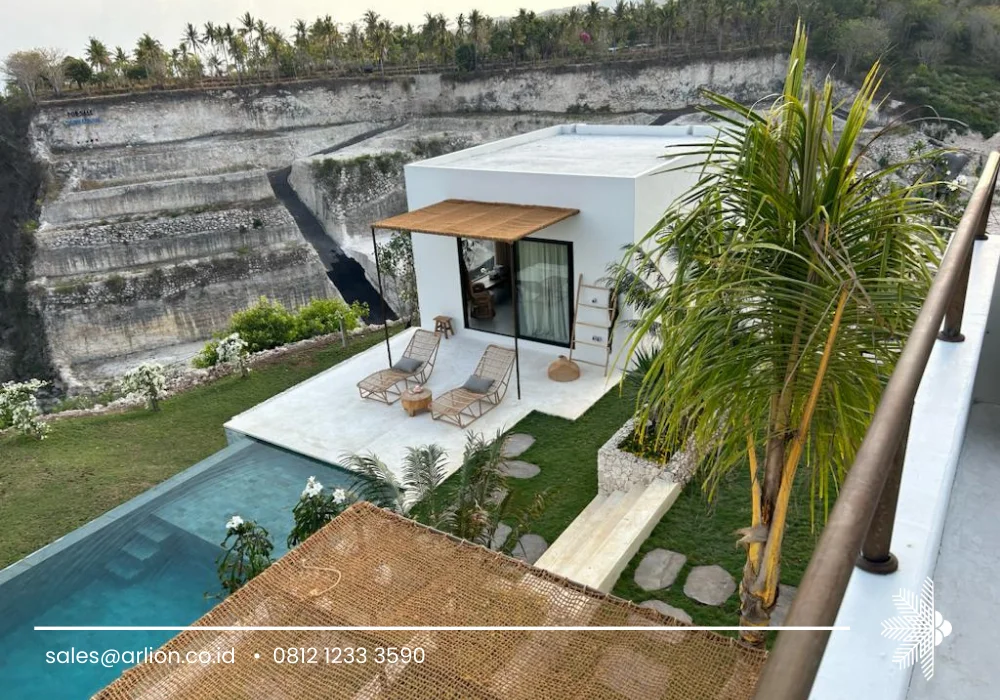
Rising Market Awareness and Shifting Preferences
Over the past two years, the landscaping and outdoor-living sectors have seen a remarkable transformation. What once revolved around synthetic fabrics and plastic-based shade systems is now evolving toward natural alternatives. This shift has been heavily influenced by environmental campaigns encouraging consumers to reduce microplastic pollution and adopt renewable materials. In this landscape, luxury garden coir shade has gained a strong position as a premium, sustainable, and visually appealing choice for high-end garden spaces.
Analysts report that the global outdoor-living market is expanding quickly, driven by post-pandemic lifestyle changes that prioritize comfortable and eco-conscious outdoor areas. Resorts, private villas, public parks, and luxury housing developers are opting for natural materials that enhance both the aesthetic and environmental value of their properties. As a result, the demand for luxury garden coir shade continues to rise across Asia, Europe, and the Middle East.
Increased Production in Key Coconut-Producing Countries
In regions such as Indonesia, India, and Sri Lanka, where coconut plantations thrive, manufacturers have begun expanding facilities to meet the international appetite for coir-based products. Factories are upgrading processing equipment to deliver higher consistency, finer textures, and stronger fiber bonding. Producers emphasize that luxury garden coir shadebenefits from natural strength, UV resistance, and long-lasting durability, making it suitable even for coastal or humid environments.
Industry leaders highlight that global buyers are requesting larger orders, especially from commercial projects involving resorts, spas, and theme parks. Many of these facilities prioritize natural aesthetics, positioning luxury garden coir shade as a strategic material that blends seamlessly with tropical and Mediterranean-style landscape designs.
Sustainability as a Key Buying Driver
Environmental considerations remain a major force behind the rising popularity of coir-based shade products. Coir, derived from coconut husk fibers, is recognized as a renewable and biodegradable resource. Unlike synthetic shade nets that eventually contribute to landfill waste, coir-based shades can decompose naturally at the end of their lifecycle. This makes them appealing not only to environmentally conscious homeowners but also to large property developers and hospitality groups seeking to reduce their ecological footprint.
Furthermore, luxury garden coir shade offers a compelling advantage: it cools outdoor spaces more effectively than many synthetic alternatives because of its natural breathable structure. This characteristic has been widely praised by architects working in tropical and semi-tropical climates.
H2: Features Driving Adoption Around the World
The global landscaping community has identified several defining features that make coir-based shading materials especially desirable. The strengthening of sustainability standards in Europe and the increasing emphasis on green-building certifications have accelerated demand for high-quality natural fibers. Consequently, luxury garden coir shade has become an important material in environmentally sensitive projects.
H3: Visual Appeal and Organic Texture
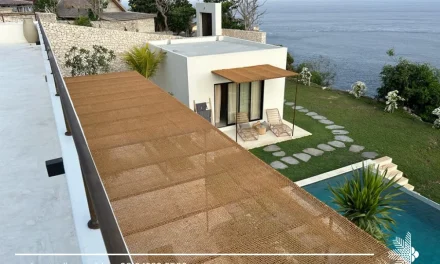
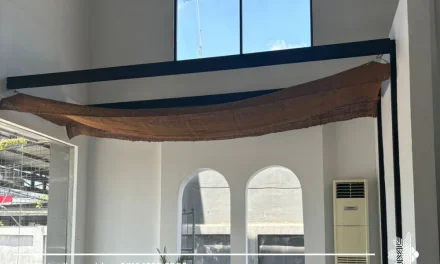
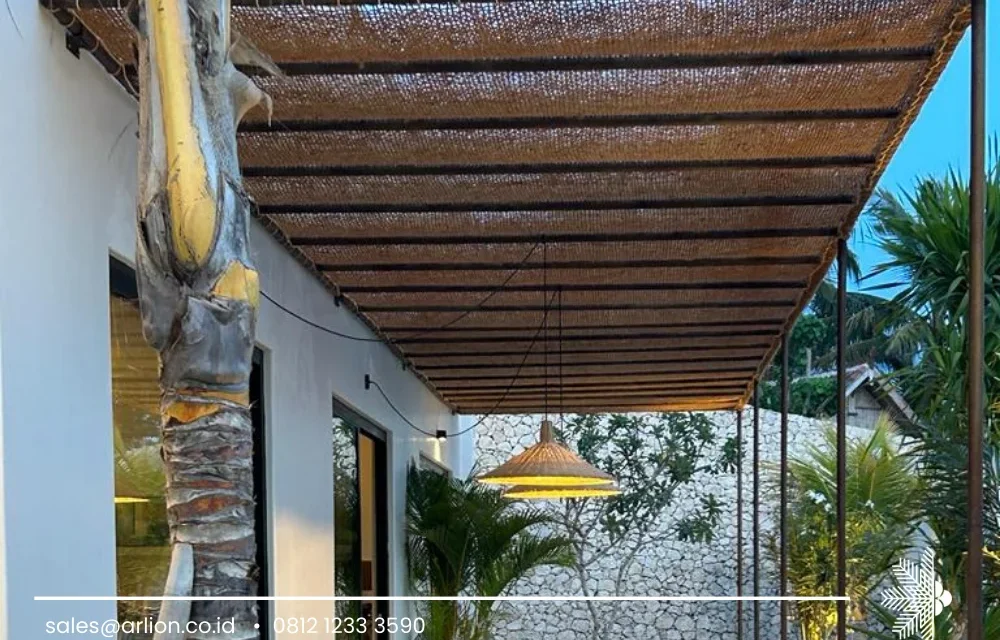
One of the strongest advantages of luxury garden coir shade is its warm, earthy appearance. Landscapers report that its natural texture blends effortlessly with timber structures, stone pathways, tropical plants, and minimalist garden layouts. This makes it an excellent choice for outdoor dining areas, pergolas, gazebos, swimming-pool surroundings, and boutique garden installations. Hotels and resorts often choose coir shade to create an authentic natural atmosphere that aligns with sustainability branding.
H3: Durability in Harsh Weather Conditions
Contrary to earlier assumptions that natural fibers are less durable than synthetic ones, modern processing techniques have significantly improved the strength and longevity of coir products. Manufacturers explain that luxury garden coir shade undergoes treatment to enhance UV resistance and prevent fiber degradation. Its robust construction allows it to withstand strong winds, heavy moisture, and extended sunlight exposure.
These qualities make coir shade particularly suitable for tropical climates, where outdoor materials must withstand fluctuating weather patterns.
H3: Eco-Friendly Manufacturing and Low Carbon Footprint
Coir production relies on abundant agricultural waste generated by the coconut industry. By transforming husks into high-value products, manufacturers help reduce organic waste while supporting rural economies. Experts argue that luxury garden coir shade contributes to a circular economy model by repurposing natural by-products that would otherwise be discarded.
As global demand for environmentally responsible materials increases, coir shade has become a critical component of sustainable outdoor-design strategies.
Export Growth and Market Expansion
International trade data from 2024–2025 shows a consistent increase in orders for natural-fiber garden materials. Exporters across Indonesia and Sri Lanka note that buyers prefer products with premium finishing, uniform fiber density, and high tensile strength. These characteristics are essential for large-scale hospitality projects, where visual consistency and reliability are top priorities.
Industry associations project that luxury garden coir shade exports will continue rising as more countries adopt green-building policies. Urban-planning departments in Europe have also shown interest in incorporating coir shade into public parks, walkways, and recreational areas due to its ecological advantages.
Technological Advances Improving Quality
New technologies in coir processing—such as automated fiber cleaning, mechanical softening, and UV-stabilizing treatments—have increased product quality significantly. Producers explain that today’s luxury garden coir shade offers superior texture and durability compared with earlier generations of natural shade materials.
In addition, advanced weaving techniques allow manufacturers to create stronger, more uniform shading patterns that provide enhanced cooling and sunlight dispersion. These innovations make coir shade a compelling choice for contractors and designers looking for premium yet sustainable materials.
Future Outlook and Long-Term Potential
Analysts predict that the market for natural shading materials will continue expanding through 2030, driven by increased environmental awareness and the global popularity of outdoor-living spaces. As climate change intensifies, cities will likely incorporate more natural shading structures to reduce heat islands and promote sustainable urban design.
With its combination of visual elegance, environmental benefits, and strong performance, luxury garden coir shade is expected to remain a central product in the premium landscaping sector. Market experts anticipate rising investments in coir-based innovations, potentially leading to new architectural applications and expanded export opportunities.
Contact Information
For further information or business inquiries related to luxury garden coir shade, please contact:
WhatsApp: +62 812-1233-3590
Email: sales@arlion.co.id