Coconut fiber sail shade products are increasingly attracting global attention as sustainable architecture and eco-friendly outdoor solutions move from niche markets into mainstream construction and landscaping. This development is rooted in a broader background of environmental awareness, where designers, city planners, and consumers are seeking natural materials that reduce carbon footprints while maintaining functional and aesthetic value.
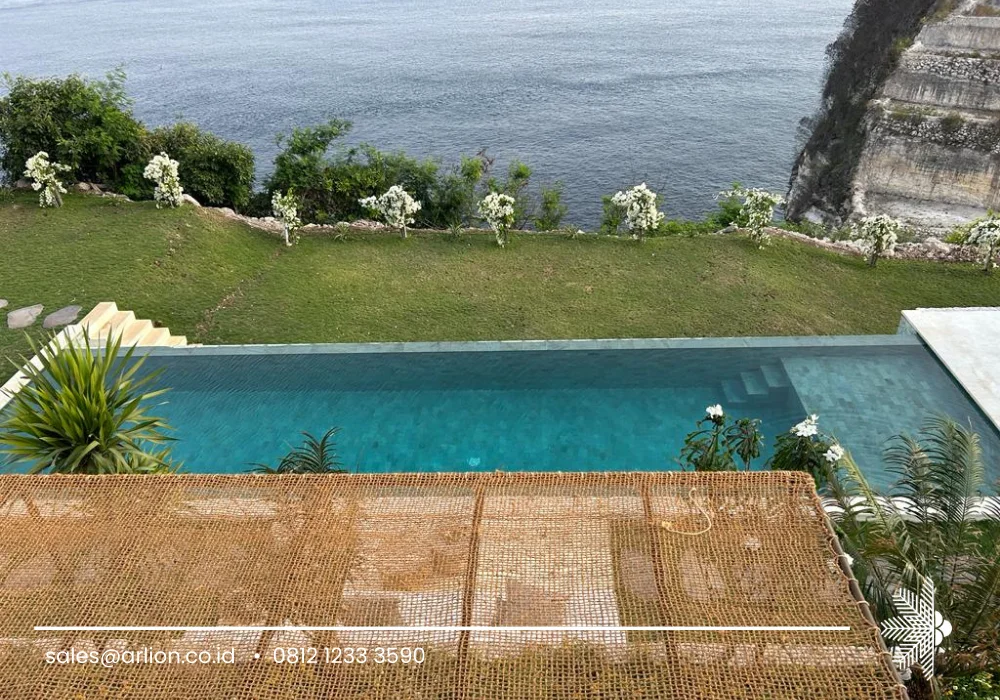
In recent years, climate adaptation strategies and green building initiatives have encouraged the use of renewable fibers in outdoor structures. From tropical resorts to urban public spaces, natural shading systems are being reconsidered as viable alternatives to synthetic fabrics. This shift has positioned coconut-based fiber products as an important topic in international trade and sustainability-focused design discussions.
Background of Natural Fiber Shading Solutions
The use of natural fibers for shelter and shading is not new. Historically, communities in coastal and agricultural regions relied on plant-based materials for protection against sun and heat. What has changed is the scale and sophistication of production, as well as the integration of these materials into modern architectural standards.
Coconut fiber, commonly derived from coconut husks, has long been valued for its strength, durability, and resistance to moisture. These characteristics make it suitable for outdoor applications, especially in regions with high humidity and intense sunlight. As innovation progresses, traditional materials are now engineered to meet contemporary performance requirements without losing their ecological advantages.
Rising Demand in Global Markets
International demand for environmentally responsible building materials has increased significantly. Governments and private developers alike are responding to stricter environmental regulations and consumer expectations. As a result, natural shading systems are no longer limited to decorative use but are increasingly specified in functional design projects.
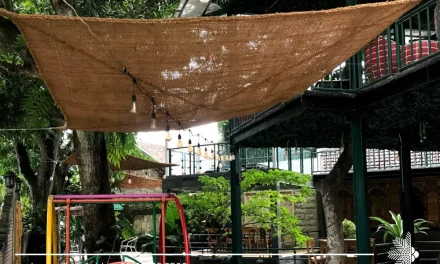
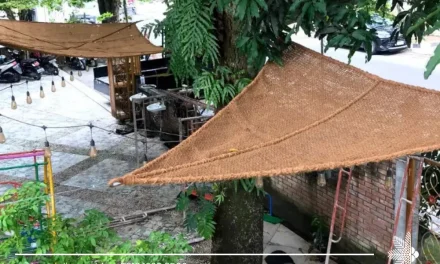
In this context, coconut fiber sail shade structures have found applications in resorts, cafés, playgrounds, public parks, and residential outdoor areas. Their visual appeal, combined with sustainability credentials, aligns with modern design philosophies that emphasize harmony with nature.
Comparison With Synthetic Alternatives
Synthetic shading fabrics, while widely used, often rely on petroleum-based materials and energy-intensive manufacturing processes. Disposal and long-term environmental impact remain key concerns. Natural fiber solutions, by contrast, are biodegradable and sourced from renewable agricultural by-products.
Industry observers note that the lifecycle advantages of coconut-based materials are becoming a decisive factor in procurement decisions. This is particularly relevant for projects seeking green building certifications or aiming to demonstrate corporate environmental responsibility.
Production and Supply Chain Developments
Processing and Quality Standards
The production of coconut fiber materials involves several stages, including husk collection, fiber extraction, drying, and weaving. Advances in processing technology have improved consistency and tensile strength, enabling wider adoption in structural applications.
Export-oriented producers are increasingly investing in quality control systems to meet international standards. This includes uniform fiber thickness, controlled moisture levels, and standardized weaving techniques that ensure durability and safety.
Role of Producing Countries
Southeast Asian countries, particularly those with abundant coconut plantations, play a central role in the supply chain. Indonesia, the Philippines, and Sri Lanka are among the key contributors, benefiting from both raw material availability and skilled labor.
These regions are also seeing growing interest from international buyers seeking stable, long-term partnerships. The emphasis is not only on volume but also on traceability and ethical sourcing, reflecting changing expectations in global trade.
Applications in Modern Design and Architecture
Hospitality and Tourism Sector
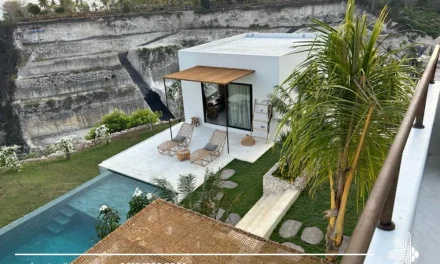
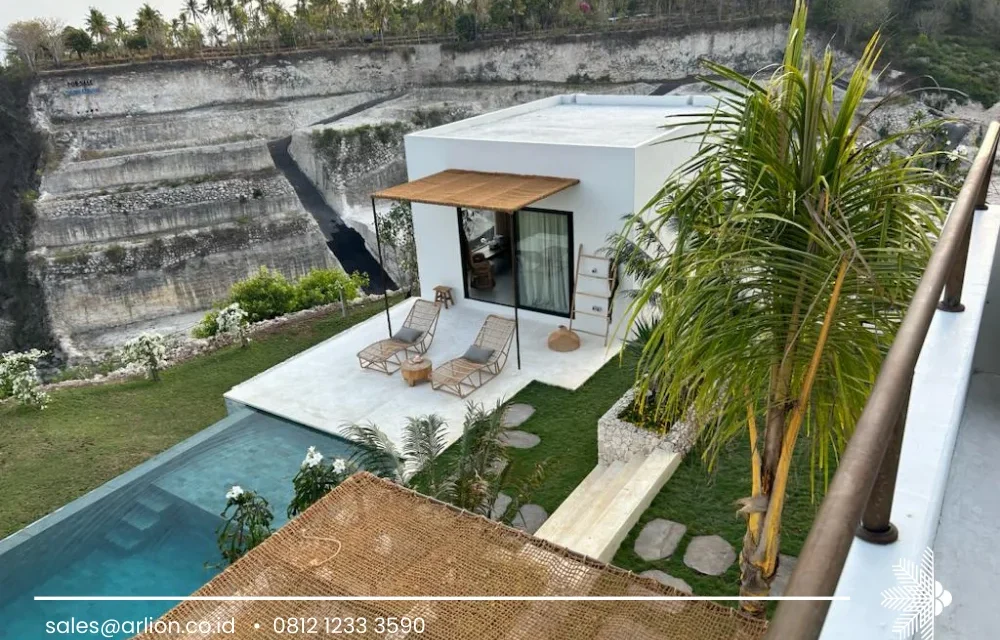
The hospitality industry has been one of the earliest adopters of coconut fiber sail shade solutions. Resorts and eco-lodges use natural shading to enhance the guest experience while reinforcing sustainability branding. The organic texture and neutral tones of coconut fiber blend seamlessly with outdoor landscapes.
Designers highlight that these structures provide effective sun protection while allowing airflow, creating comfortable outdoor environments in warm climates.
Urban and Public Spaces
Municipal authorities are increasingly incorporating natural shading into public infrastructure. Parks, walkways, and recreational areas benefit from materials that are both functional and environmentally responsible. The visual identity of such spaces is enhanced by the use of organic materials that contrast with concrete and steel.
Residential Use and Lifestyle Trends
In residential settings, homeowners are embracing natural shading as part of broader lifestyle changes favoring eco-conscious living. Outdoor patios and gardens are being designed as extensions of living spaces, where comfort and sustainability go hand in hand, coconut fiber sail shade.
Sustainability and Environmental Impact
Waste Utilization and Circular Economy
One of the key advantages of coconut fiber sail shade products is their contribution to waste reduction. Coconut husks, once considered agricultural waste, are now transformed into valuable industrial materials. This supports circular economy principles by maximizing resource efficiency, coconut fiber sail shade.
Carbon Footprint Considerations
Compared to synthetic alternatives, coconut fiber materials generally have lower embodied energy. The cultivation of coconut trees also contributes to carbon sequestration, further strengthening the environmental profile of these products.
Challenges and Future Outlook
Despite growing demand, challenges remain. Weather dependency, supply consistency, and the need for skilled craftsmanship can affect production timelines. However, continued investment in training and technology is expected to address these issues, Coconut fiber sail shade.
Market analysts predict steady growth in demand for natural shading solutions as sustainability becomes a core requirement rather than an optional feature. Within this trend, coconut fiber sail shade products are likely to maintain relevance due to their balance of performance, aesthetics, and environmental responsibility.
As global awareness of climate and resource management continues to expand, natural fiber-based innovations are set to play an increasingly important role in shaping outdoor spaces worldwide.
For more information, you can contact WhatsApp (+62) 812-1233-3590 or email sales@arlion.co.id.