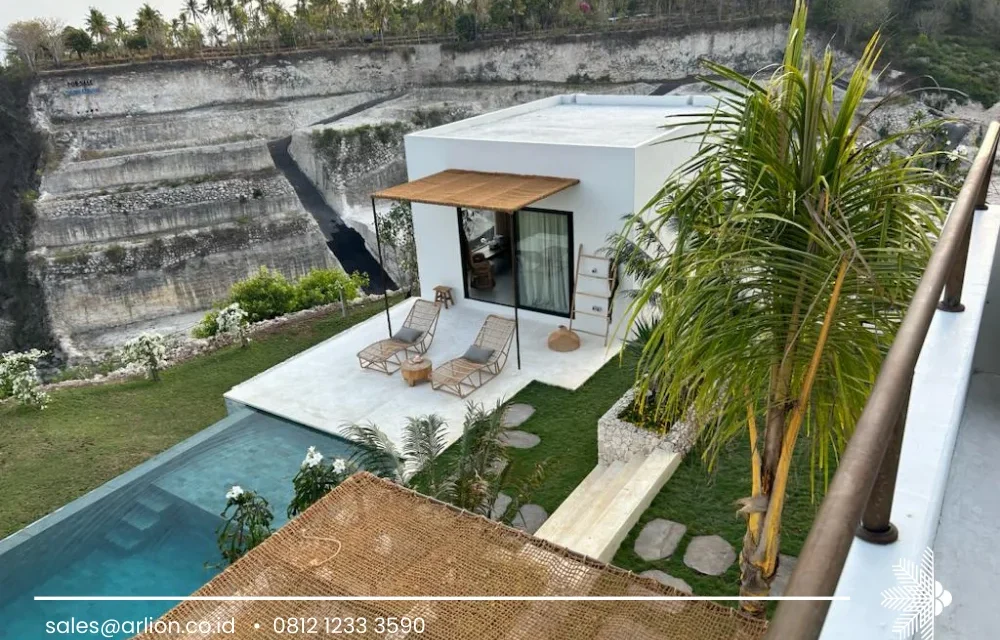
Coconut fiber shade is emerging as an innovative and sustainable material amid growing global concerns about environmental degradation and the need for eco-friendly alternatives. As industries and communities shift toward greener practices, natural materials derived from agricultural waste are gaining renewed attention. Coconut-based products, in particular, are becoming increasingly valuable due to their abundance, biodegradability, and versatility in various applications.

Background of Sustainable Material Trends
The global push toward sustainability has led to increased exploration of natural fibers as substitutes for synthetic materials. Environmental issues such as plastic pollution and excessive resource consumption have encouraged industries to rethink their material choices.
Coconut fiber shade represents one of the solutions developed from coconut husk waste, which is often underutilized. By transforming this by-product into a functional shading material, manufacturers are addressing both waste management challenges and the demand for environmentally responsible products.
In regions with high coconut production, the availability of raw materials supports the growth of industries centered on coconut fiber. This has created opportunities for innovation and economic development, especially in rural areas.
What Is Coconut Fiber Shade?
Coconut fiber shade refers to shading materials made from coir, the fibrous material extracted from coconut husks. These fibers are processed and woven into sheets or nets that can be used to provide shade and protection.
Production Process
The process begins with the extraction of coir from coconut husks. The fibers are then cleaned, dried, and spun into yarn. Afterward, the yarn is woven or knitted into shade nets or mats depending on the intended application.
This production method emphasizes minimal chemical use, making coconut fiber shade a more environmentally friendly option compared to synthetic shading materials.
Key Characteristics
Coconut fiber is known for its durability, flexibility, and resistance to moisture. When used as a shading material, it provides partial sunlight filtration, which is beneficial for plants and outdoor structures.
Additionally, coconut fiber shade is biodegradable, ensuring that it does not contribute to long-term environmental pollution.
Applications Across Industries
The versatility of coconut-based shading materials allows them to be used in a wide range of sectors.
Agriculture and Horticulture
One of the primary uses of coconut fiber shade is in agriculture. Farmers use it to protect crops from excessive sunlight, reduce evaporation, and maintain soil moisture.
This material is particularly useful in nurseries and greenhouses, where controlled sunlight exposure is essential for plant growth.
Construction and Landscaping
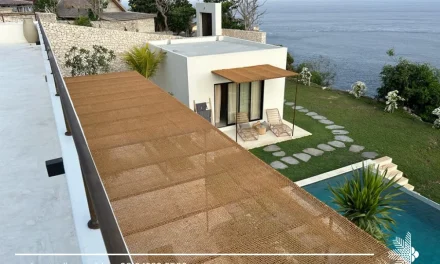
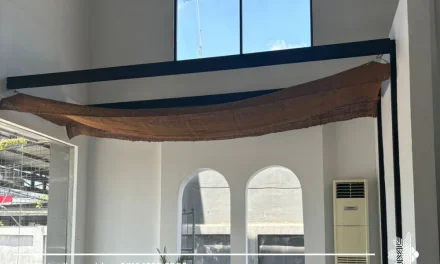
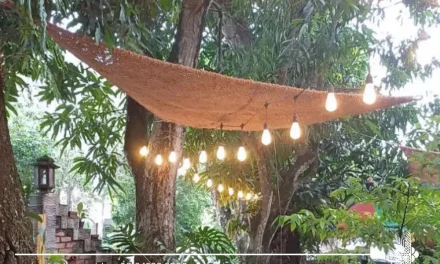
In construction and landscaping, coconut fiber shade is used for temporary shading, erosion control, and aesthetic purposes. It can be installed in outdoor areas such as gardens, parks, and recreational spaces.
Its natural appearance also makes it a popular choice for eco-friendly architectural designs.
Environmental Benefits
The environmental advantages of coconut-based materials contribute significantly to their growing popularity.
Waste Reduction
By utilizing coconut husk waste, coconut fiber shade helps reduce the volume of agricultural by-products that would otherwise be discarded. This supports a circular economy model where waste is transformed into valuable resources.
Biodegradability
Unlike synthetic shading materials, coconut fiber naturally decomposes over time. This reduces the environmental impact and eliminates the need for complex disposal methods.
Economic Impact and Industry Growth
The development of coconut fiber products has created new economic opportunities, particularly in regions where coconuts are widely cultivated.
Support for Local Communities
The production of coconut fiber shade involves multiple stages, from raw material collection to manufacturing. This creates employment opportunities and supports local livelihoods.
Small and medium enterprises play a significant role in this industry, contributing to economic diversification and resilience.
Export Potential
As global demand for sustainable products increases, coconut-based materials have strong export potential. Countries that produce coconut fiber can benefit from international trade by supplying eco-friendly solutions to global markets.
Challenges in Adoption
Despite its advantages, the widespread adoption of coconut fiber shade faces several challenges.
One major challenge is competition with synthetic materials, which are often cheaper and more readily available. Convincing consumers to switch to natural alternatives requires increased awareness and education.
Another challenge is maintaining consistent quality. Variations in raw materials and production techniques can affect the durability and performance of the final product.
Technological Limitations
In some regions, limited access to advanced processing technology can hinder large-scale production. Investment in modern equipment is necessary to improve efficiency and product quality.
Market Awareness
Many potential users are still unfamiliar with the benefits of coconut-based materials. Expanding market awareness is essential to drive adoption and growth.
Future Prospects
The future of coconut fiber shade looks promising as sustainability continues to be a priority for governments, businesses, and consumers. Innovations in processing and design are expected to enhance the functionality and appeal of these products.
Coconut fiber shade is likely to play an increasingly important role in agriculture, construction, and environmental management. With continued investment and research, it can become a mainstream solution for eco-friendly shading needs.
Conclusion
The growing interest in sustainable materials has brought natural solutions like coconut fiber into the spotlight. Coconut fiber shade offers a practical and environmentally responsible alternative to synthetic shading materials, with applications across multiple industries.
By transforming agricultural waste into valuable products, this innovation supports both environmental conservation and economic development. As awareness and demand continue to rise, coconut fiber shade is expected to become an integral part of sustainable practices worldwide.
Untuk informasi lebih lanjut dapat menghubungi WhatsApp (+62) 812-1233-3590 atau melalui email sales@arlion.co.id.