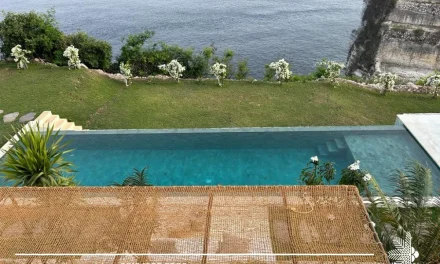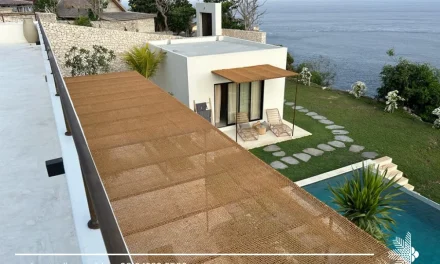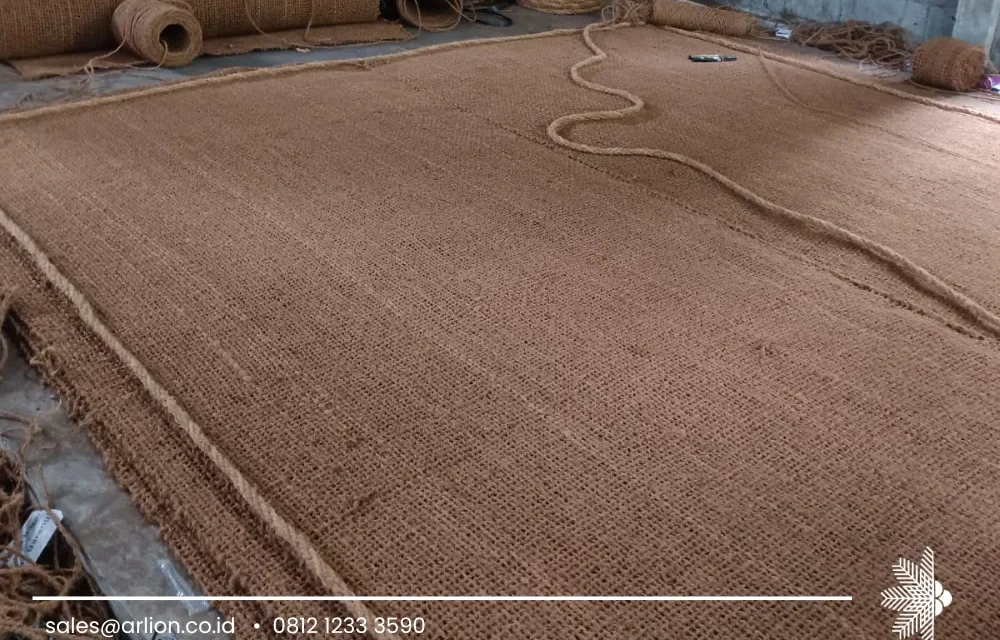
Coco roller blind is attracting interest in the interior design and home improvement sectors as consumers and businesses explore window coverings made from natural materials. Growing awareness of sustainable design, combined with demand for practical solutions that balance privacy, light control, and visual appeal, has encouraged manufacturers to develop alternatives to conventional synthetic blinds. Natural fibres, including coconut-derived materials, offer opportunities to create distinctive interior products while making use of renewable resources. As sustainable building practices continue to influence purchasing decisions, coconut-based window coverings are becoming an interesting option for residential, commercial, and hospitality projects.
Rising Demand for Natural Window Coverings
Window coverings play an important role in modern buildings. Beyond improving privacy, they help manage incoming sunlight, reduce glare, and contribute to the overall appearance of an interior. Traditionally, consumers have chosen curtains, aluminium blinds, synthetic roller shades, and wooden shutters according to their budgets and functional requirements, Coco roller blind .
However, changing design preferences are creating opportunities for products that combine natural textures with contemporary functionality. Materials derived from coconut fibres are attracting attention because of their distinctive appearance and potential use in decorative applications.
Why Natural Materials Matter Coco roller blind
Natural materials can introduce warmth and texture into interior spaces. Coconut-derived fibres, commonly associated with coir products, have a recognisable organic appearance that complements minimalist, tropical, rustic, and contemporary design styles.
When incorporated into window coverings, these materials can create a softer visual effect than conventional plastic or metal alternatives. Their natural texture may also help designers establish a consistent theme across furniture, flooring, wall finishes, and decorative accessories.
Nevertheless, natural materials vary in colour, fibre structure, durability, and resistance to moisture. Product selection should therefore consider the intended installation environment and the manufacturer’s technical specifications.
What Makes Coconut-Based Roller Blinds Different?
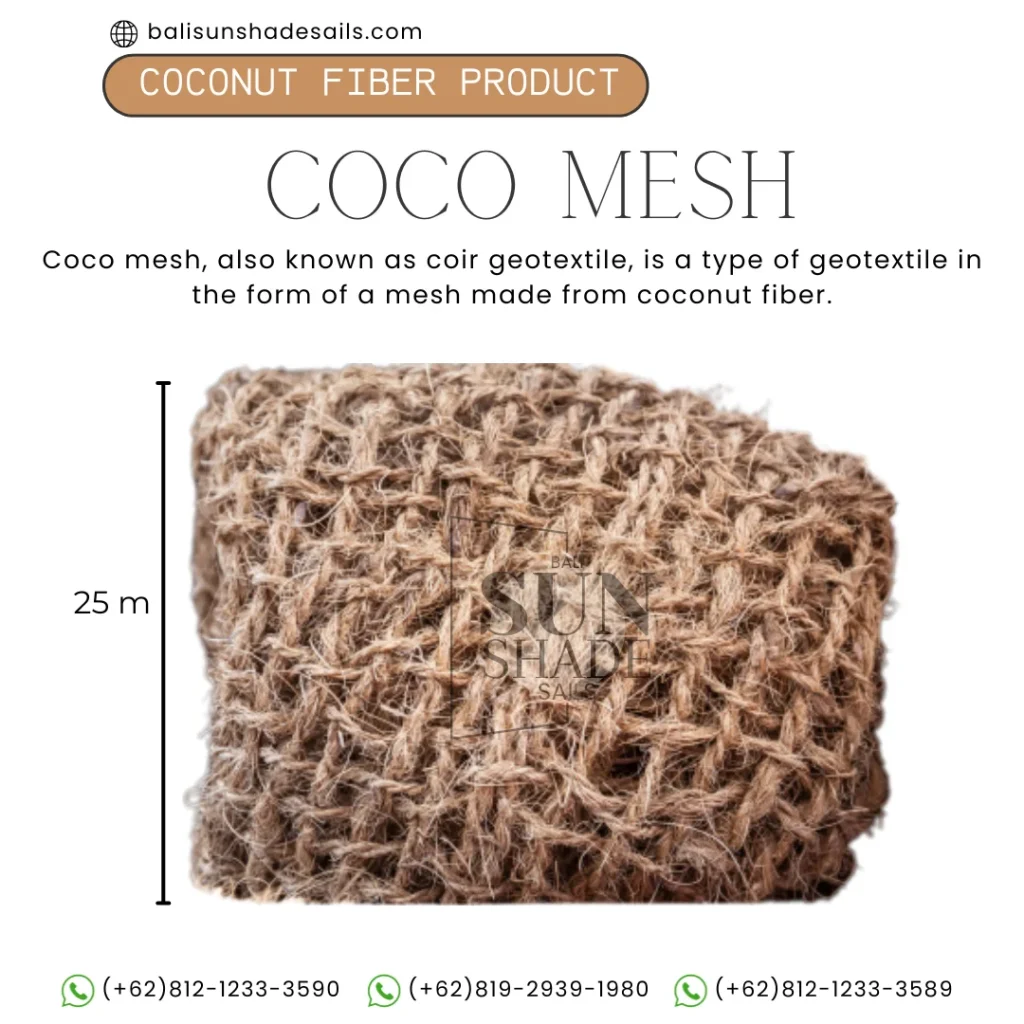
A Coco roller blind is generally designed around a rolling mechanism combined with a material incorporating coconut-derived fibres or a related natural-fibre construction. The precise composition varies by manufacturer, so buyers should verify whether the product uses coir, woven coconut fibre, coco mesh, or another coconut-based material.
The defining characteristic is the combination of a practical window-covering format with a natural surface appearance. This approach allows interior designers to explore alternatives to standard synthetic fabrics without abandoning the convenience of a roller-style installation.
Texture, Colour, and Interior Compatibility, Coco roller blind
One of the main attractions of natural-fibre window coverings is their visual character. Variations in fibre thickness, weaving patterns, and natural tones can create a distinctive finish.
These characteristics make them suitable for interiors that emphasise natural materials, including eco-conscious homes, boutique accommodation, cafés, resorts, and selected office environments. They can also complement furniture made from timber, bamboo, rattan, and other textured materials.
Designers should evaluate the sample material under different lighting conditions before specifying a product. Daylight can change how a woven surface appears throughout the day, affecting the colour balance and atmosphere of a room.
Light Control and Privacy Considerations
Light management remains one of the most important factors when choosing window coverings. Different fabrics and woven materials allow varying amounts of light to pass through, depending on their density, thickness, and construction.
A coco roller blind may be suitable for spaces where a filtered-light effect and natural visual texture are preferred. However, the level of light transmission depends on the particular product rather than the material category alone.
Selecting the Right Weave
Open-weave materials may allow daylight and some visibility through the covering, while denser constructions can provide greater screening. Buyers should assess these differences according to the purpose of each room.
For living rooms and hospitality spaces, filtered daylight may help create a relaxed atmosphere. Bedrooms, meeting rooms, and areas requiring greater privacy may need a denser fabric, an additional lining, or a separate window-covering system.
It is also important to understand that a material designed to filter daylight is not necessarily suitable for complete blackout conditions. Product descriptions should clearly distinguish between light filtering, room darkening, and blackout performance.
Potential Applications in Residential and Commercial Projects
Natural-fibre roller blinds can be considered for a range of interior projects, although suitability depends on product specifications and local environmental conditions.
Residential Interiors
In homes, coconut-based window coverings may complement living rooms, dining areas, enclosed patios, and other spaces where decorative texture is a priority. Their natural appearance can work particularly well with neutral colour palettes and furnishings made from wood or woven materials.
Homeowners should consider the orientation of their windows, exposure to direct sunlight, and expected maintenance requirements. Windows exposed to intense afternoon sunlight may require products specifically tested for colour stability and material durability.
Hospitality and Commercial Spaces
Hotels, resorts, cafés, restaurants, and selected retail environments often use natural textures to establish a consistent design identity. Window coverings can contribute to that identity while helping manage glare and daylight, Coco roller blind .
For commercial applications, purchasing decisions should also consider cleaning procedures, replacement availability, installation costs, and expected service life. Products installed in frequently used spaces may require stronger operating components and materials suited to regular handling.
Sustainability and Responsible Material Sourcing
The growing interest in sustainable interiors has encouraged closer examination of the materials used in furniture and building accessories. Coconut fibres are obtained from coconut husks, a by-product of coconut processing. Depending on local production systems, using these fibres can create additional opportunities for agricultural value creation, Coco roller blind .
However, the environmental performance of a finished window covering depends on more than the origin of its fibres. Processing methods, chemical treatments, adhesives, backing fabrics, transport distances, packaging, and product lifespan can all influence its overall impact.
Evaluating Environmental Claims, Coco roller blind
Consumers and businesses should examine environmental claims carefully. A product made with natural fibres is not automatically biodegradable, recyclable, or environmentally preferable in every application.
Blended materials, coatings, and mechanical components may affect how the finished product can be repaired or disposed of. Buyers should request clear information about fibre composition, manufacturing practices, durability, and end-of-life options when sustainability is a major purchasing criterion.
Choosing durable products and maintaining them correctly can also help reduce the frequency of replacement, supporting more responsible material consumption.
Installation, Maintenance, and Product Quality
Before purchasing a coco roller blind, buyers should review the product’s dimensions, mounting requirements, operating mechanism, and suitability for the intended location. Accurate measurements are essential to ensure proper coverage and smooth operation, Coco roller blind .
Manufacturers and suppliers may offer different mounting arrangements, including inside-frame and outside-frame installation. The appropriate option depends on window dimensions, frame depth, the desired appearance, and potential obstructions.
Practical Maintenance Guidelines
Natural-fibre products should be maintained according to the manufacturer’s instructions. Regular dust removal using a suitable soft brush or vacuum attachment may help preserve the material’s appearance.
Excessive moisture should be avoided unless the manufacturer confirms that the product is designed to tolerate it. Persistent dampness can affect certain natural fibres and may encourage mould growth under unsuitable conditions.
Buyers should also inspect the rolling mechanism, mounting brackets, and operating components periodically. For commercial installations, a documented maintenance schedule can help identify wear before it affects normal operation, Coco roller blind .
Market Opportunities Coco roller blind for Manufacturers and Suppliers
The development of natural-fibre window coverings creates opportunities for manufacturers, distributors, interior designers, and building-product suppliers. Businesses can differentiate their offerings through material quality, consistent construction, custom dimensions, and reliable technical information.
Suppliers serving international markets should also provide clear specifications covering composition, available sizes, installation requirements, packaging, and expected maintenance. Samples can help buyers assess the material’s appearance and suitability before placing larger orders.
For coconut-producing regions, value-added products may provide an additional route for using agricultural resources. Commercial success, however, depends on consistent raw-material supplies, competitive production costs, product performance, and access to appropriate distribution channels.
Conclusion
Coco roller blind represents an interesting option for interior projects seeking to combine a natural material aesthetic with practical window-covering functionality. Its potential applications range from residential interiors to hospitality and selected commercial environments, particularly where texture and filtered daylight are desirable.
Successful selection requires careful consideration of light transmission, privacy, durability, moisture resistance, installation, and maintenance. Sustainability claims should also be assessed through the complete product lifecycle rather than fibre origin alone.
As demand for distinctive interior materials continues to evolve, coconut-based window coverings may offer manufacturers and buyers another way to explore natural textures and value-added fibre products. Clear product specifications and responsible sourcing will remain essential to establishing long-term market confidence.
For more information Coco roller blind, please contact us via WhatsApp at (+62) 812-1233-3590 or email sales@arlion.co.id.