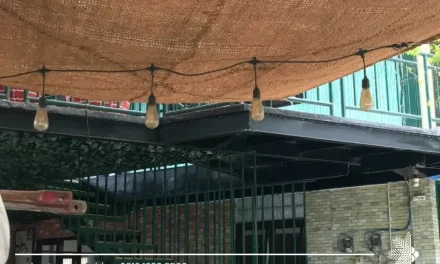
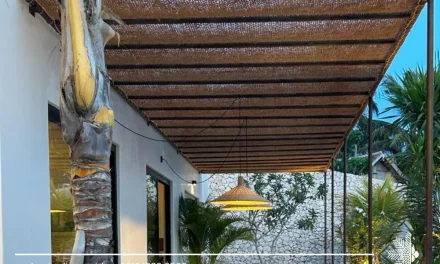
Coir roller shade products are attracting attention as consumers and interior designers increasingly explore natural materials for home decoration and window coverings. Growing awareness of sustainable design has encouraged the use of renewable plant-based fibres as alternatives to conventional synthetic materials. Coir, which is extracted from the outer husk of coconuts, offers distinctive texture, natural colour, and practical potential for decorative applications. When processed into a roller shade, this fibre can become an interesting option for residential, commercial, and hospitality interiors.

The growing interest in environmentally conscious interiors is also changing purchasing preferences. Consumers are no longer focused exclusively on appearance and price; they increasingly consider material origins, durability, maintenance, and manufacturing processes. Natural fibre products are gaining a place in this market because they combine traditional materials with contemporary interior design requirements.
Understanding Coir as a Natural Material
Coir is a natural fibre obtained from coconut husks, which are widely available in tropical regions. The fibres are separated from the husk through processing methods that may include soaking, mechanical extraction, cleaning, and drying.
Unlike many plant fibres, coir has a relatively coarse structure and good resistance to wear under suitable conditions. Its natural brown and golden shades create a distinctive appearance that works well with rustic, tropical, coastal, and minimalist interior styles.
The material is commonly used in products such as mats, brushes, ropes, geotextiles, and decorative items. Its use in window coverings demonstrates how agricultural by-products can be developed into value-added products for the interior furnishing industry.
From Coconut Husk to Interior Decoration
The production process begins with collecting and preparing coconut husks. After fibre extraction, the material is cleaned and dried to reduce unwanted moisture and impurities. Depending on the intended product, the fibres may be processed into yarns, woven structures, or other forms suitable for manufacturing.
For a coir roller shade, the quality of the raw fibre and the consistency of the manufacturing process are important. Fibre length, thickness, colour, and surface texture can influence the appearance and performance of the finished covering.
Why Natural Fibre Window Coverings Are Gaining Interest
Window coverings play an important role in interior design. They help manage incoming daylight, provide privacy, and contribute to the overall appearance of a room. Traditional options include curtains, blinds, shutters, and synthetic roller systems.
Natural fibre alternatives introduce a different visual character. Their textures can make indoor spaces feel warmer and more connected to natural materials.
A Distinctive Interior Appearance
One of the main attractions of coir-based decoration is its organic texture. Unlike smooth plastic or metal surfaces, coconut fibre has visible natural variations that create visual depth.
A coir roller shade can complement interiors featuring wooden furniture, bamboo accessories, stone finishes, and neutral colour palettes. It may also be incorporated into cafés, resorts, restaurants, and other commercial spaces seeking a tropical or nature-inspired atmosphere.
Supporting the Use of Agricultural By-products
Coconut production generates substantial quantities of husks in many tropical areas. These materials can become valuable raw materials when collected and processed appropriately.
Using coir in decorative products creates opportunities to diversify the applications of coconut-based resources. It may also support local processing activities and provide additional value to agricultural supply chains.
However, environmental benefits should be evaluated across the entire production process, including fibre preparation, manufacturing, transportation, product lifespan, and disposal.
Practical Functions of Coir Roller Shades
Beyond their decorative value, natural fibre window coverings can serve several practical functions. Their performance depends on the weaving pattern, material density, dimensions, and installation method.
Managing Natural Daylight
The structure of a woven shade determines how much light passes through it. More open weaves generally allow greater daylight penetration, while tighter structures can provide increased shading.
A coir roller shade may therefore be designed to create a balance between natural illumination and reduced direct sunlight. The appropriate density depends on room orientation, window size, and the desired atmosphere.
It is important to note that coir products are not automatically blackout coverings. Buyers who require complete darkness should check the product specifications and consider additional lining or another type of window treatment.
Improving Interior Privacy
Window coverings also help limit direct visibility from outside. The level of privacy depends on the spacing between fibres and the lighting conditions on both sides of the window.
During daylight, some woven materials can provide a degree of visual screening. At night, when interior lights are switched on, silhouettes may become more visible. For bedrooms and other private areas, additional curtains or suitable lining may be necessary.
Creating a Natural Interior Atmosphere
Natural textures can contribute to a more comfortable visual environment. Coir’s earthy appearance works particularly well in spaces designed around natural materials and warm colour combinations.
Hotels, restaurants, cafés, and holiday accommodation providers may consider this type of window covering as part of a broader interior concept.
Important Factors When Choosing Coir Window Coverings
Although natural fibre products offer several design possibilities, buyers should evaluate their technical characteristics before purchasing.
Fibre Quality and Weaving Consistency
The quality of the raw material affects the final product. Fibres should be reasonably clean, dry, and consistent with the required manufacturing specifications.
Uneven weaving, excessive loose fibres, or inconsistent dimensions may affect appearance and installation. Buyers should request product samples and inspect the material before ordering large quantities.
Moisture and Environmental Conditions
Coir roller shade , Coir is a natural organic fibre, so prolonged exposure to excessive moisture may affect its condition. Damp environments can increase the risk of mould growth, unpleasant odours, or material deterioration if the product is not properly maintained.
For this reason, a coir roller shade is generally more suitable for interior environments where moisture exposure can be controlled. Bathrooms, outdoor areas, and locations with frequent condensation require additional consideration.
Installation and Operating Mechanisms
A roller shade needs a suitable operating mechanism to function effectively. Depending on the product design, the system may use manual chains, cords, or other operating components.
The weight and thickness of the woven material should be compatible with the roller mechanism. Correct measurements and secure mounting are essential to ensure smooth operation and reduce unnecessary strain on the system.
Maintenance and Product Durability
Maintenance is another important factor when selecting natural fibre window coverings. Unlike some synthetic materials, coir products may require more careful handling to preserve their texture and appearance.
Regular Cleaning
Dust can accumulate between woven fibres over time. Gentle cleaning using a soft brush or a suitable vacuum attachment can help remove surface dust.
Excessive water should generally be avoided unless the manufacturer provides specific cleaning instructions. If the material becomes damp, it should be allowed to dry properly in a well-ventilated area.
Protecting the Material from Direct Exposure
Long-term exposure to intense sunlight may gradually affect the colour and condition of natural fibres. The degree of change depends on fibre treatment, product construction, and environmental conditions.
Choosing an appropriate installation location and following manufacturer recommendations can help maintain product appearance.
Market Opportunities for Coconut Fibre Coir roller shade Products
The growing interest in natural interior materials creates opportunities for manufacturers and distributors of coconut-based products. Countries with established coconut industries have access to raw materials that can be developed into decorative and functional goods.
A coir roller shade represents one possible direction for product diversification. By transforming coconut husk fibres into interior furnishing materials, manufacturers can explore markets beyond traditional applications such as mats, brushes, and ropes.
Coir roller shade Product Innovation and Value Addition
Product development may focus on different weaving patterns, colour treatments, dimensions, and operating systems. Combining natural fibres with suitable supporting materials can also help manufacturers meet specific design requirements.
Quality control remains essential throughout production. Standardized dimensions, consistent weaving, appropriate moisture levels, and reliable operating components can improve product acceptance in domestic and international markets.
Opportunities for Sustainable Interior Design
The use of agricultural by-products in interior products reflects a wider interest in resource efficiency. However, sustainable positioning should be supported by transparent sourcing and responsible manufacturing practices.
Manufacturers should provide clear information about material composition, maintenance requirements, and product limitations. This helps buyers make informed decisions and understand how the product performs in different environments.
The Future of Natural Fibre Window Coverings
As interior design continues to incorporate natural textures and renewable materials, coconut fibre products may find new opportunities in residential and commercial markets. Their distinctive appearance, connection to agricultural resources, and potential for product customization make them relevant to contemporary furnishing trends.
A coir roller shade can offer an alternative for consumers who value natural aesthetics and want to incorporate plant-based materials into their interiors. Nevertheless, its suitability depends on fibre quality, weaving density, moisture conditions, installation, and maintenance.
For manufacturers, the opportunity lies in combining traditional fibre-processing knowledge with consistent production standards and modern design requirements. This approach can help transform coconut husk resources into practical decorative products while supporting the development of value-added industries.
For more information about Coir roller shade products and biomass solutions, please contact WhatsApp (+62) 812-1233-3590 or email sales@arlion.co.id.