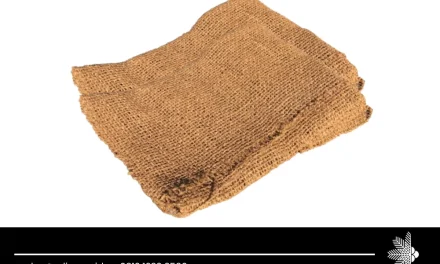
Natural Coco Fiber Shade is attracting attention as demand grows for environmentally conscious materials in outdoor design, agriculture, and construction. As temperatures rise in many regions and consumers become more aware of the environmental impact of conventional products, natural fibres are gaining recognition as practical alternatives. Made from coconut husks, coir offers a renewable material that can be processed into mats, screens, panels, and other shading products. Its availability in tropical countries, particularly Indonesia, also creates opportunities to add value to agricultural by-products that might otherwise be underutilised.
The growing interest in sustainable landscaping has encouraged designers, businesses, and homeowners to explore materials that combine functionality with a natural appearance. Coconut fibre is one option because it is relatively durable, biodegradable under suitable conditions, and adaptable to different applications. Its performance, however, depends on how the fibre is processed, woven, treated, and installed.
The Growing Demand for Natural Coco Fiber Shade Materials
Shading is an important consideration in residential gardens, commercial outdoor areas, agricultural facilities, and public spaces. Excessive exposure to direct sunlight can make outdoor environments uncomfortable and may affect the growth of certain plants. Conventional shade products often use synthetic fabrics, plastic-based mesh, or metal structures. Although these materials can provide effective protection, some users are looking for alternatives with a more natural appearance and a renewable origin.
Coconut coir provides an opportunity to address this demand. The material is obtained from the fibrous husk surrounding the coconut shell. After extraction, the fibres can be cleaned, dried, graded, and processed into different products.
Why Coconut Fibre Is Suitable for Outdoor Design, Natural Coco Fiber Shade
Coir has a distinctive texture and natural brown colour that can complement gardens, patios, resorts, and landscape installations. Unlike highly uniform synthetic materials, its organic appearance creates a rustic atmosphere that is often preferred in tropical and nature-inspired designs.
Natural Coco Fiber Shade can be produced in different densities and dimensions to suit particular requirements. A loosely woven structure may allow more light and air to pass through, while a denser construction can provide greater visual screening and reduce direct sunlight exposure.
The appropriate design depends on the intended location, weather conditions, and required level of shade. Therefore, buyers should evaluate product specifications rather than assume that every coconut fibre screen offers the same performance.
Understanding the Production of Coconut Fibre Shade
The production process begins with the collection of mature coconut husks. These husks are processed to separate the fibres from the pith, which is commonly known as coir pith or coco peat. The extracted fibres are then prepared for further manufacturing.
Fibre Preparation and Processing
After extraction, the fibres are cleaned to remove unwanted materials and may undergo drying to achieve suitable moisture levels. Their length, strength, and consistency influence the quality of the finished product.
Depending on the manufacturing method, fibres can be twisted into yarn, woven into mats, or assembled into screens. Some products are made using manual techniques, while larger-scale manufacturing may involve specialised machinery.
Quality control is essential throughout the process. Uneven fibre thickness, excessive moisture, and inconsistent weaving can affect the appearance and durability of the final product.
Weaving and Product Design
The weaving stage determines the structure and density of the shade material. Manufacturers can adjust the spacing between fibres to create different levels of openness. This allows products to serve various purposes, from decorative screening to partial sunlight protection.
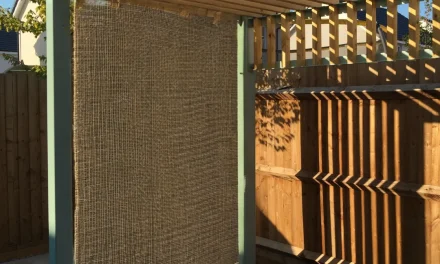
Natural Coco Fiber Shade can also be manufactured in rolls or customised dimensions. This flexibility makes it suitable for projects that require specific measurements, including pergolas, garden partitions, greenhouse surroundings, and outdoor relaxation areas.
Potential Applications in Gardens and Outdoor Spaces
One of the most common uses of coconut fibre products is in landscaping. Their natural texture and earthy colour make them suitable for outdoor environments where visual harmony with plants and other organic materials is important.
Garden Pergolas and Patio Covers
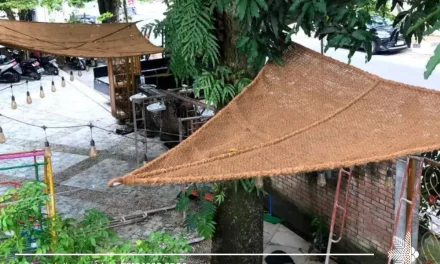
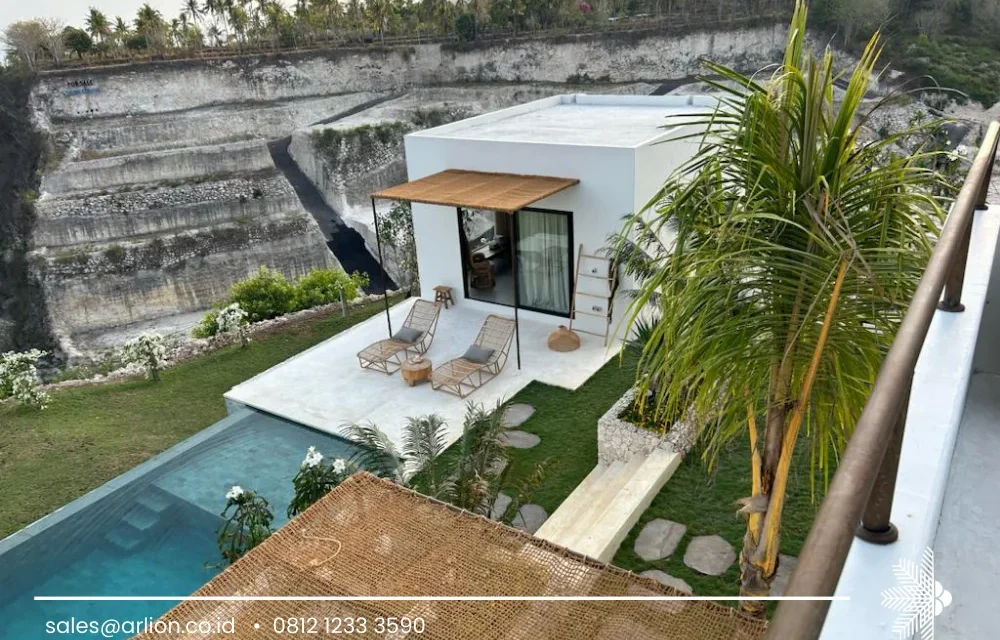
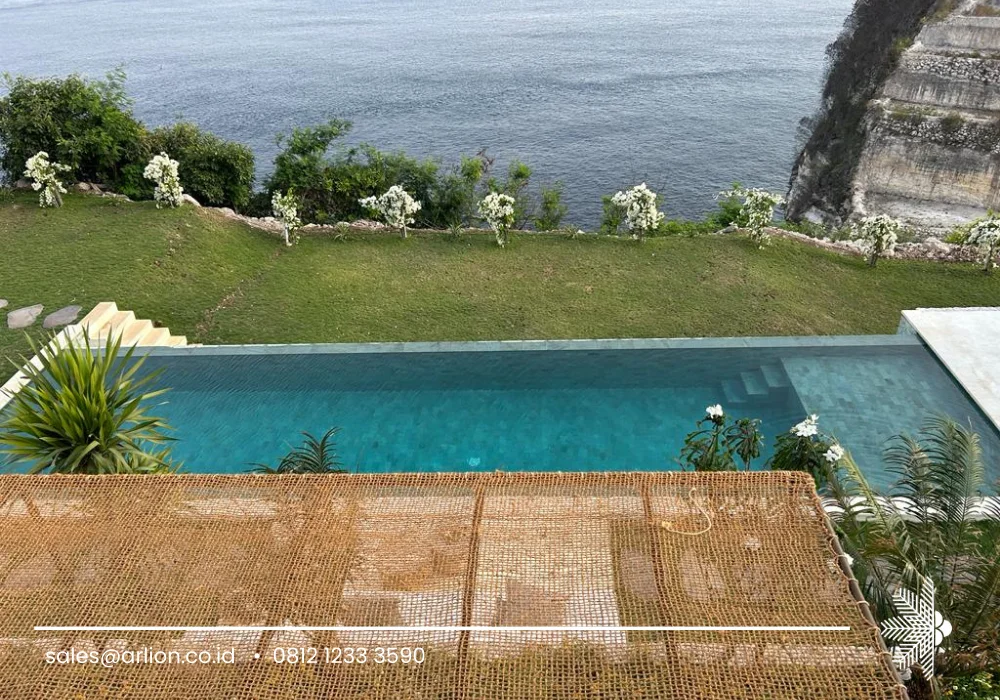
Coconut fibre screens can be installed as decorative coverings on pergolas and other outdoor structures. Depending on their density, they may reduce direct sunlight while maintaining some airflow.
They can also create a visually comfortable setting for seating areas, restaurants, cafés, and accommodation facilities. Designers may combine them with bamboo, timber, or other natural materials to create a consistent tropical appearance.
However, installation should account for wind exposure and rainfall. The supporting structure must be strong enough to hold the material securely, while the fixing system should allow inspection and replacement when necessary.
Plant Protection and Nursery Areas
Natural Coco Fiber Shade In gardening and nursery operations, shade materials can help manage the amount of sunlight reaching sensitive plants. Young seedlings and certain ornamental species may require partial shade during particular stages of growth.
Natural Coco Fiber Shade can be considered for these applications when its shading characteristics match the requirements of the plants. The density and installation height should be selected carefully to avoid excessive shading or inadequate light exposure.
Growers should also monitor temperature, humidity, and ventilation. A shading product alone cannot guarantee ideal growing conditions, as plant development is influenced by several environmental factors.
Environmental Benefits and Sustainability Considerations
The use of coconut fibre is often associated with resource efficiency because it utilises a by-product of coconut production. In regions where coconuts are widely cultivated, husks may be available in significant quantities from food processing and agricultural activities.
Transforming these husks into useful products can create additional economic value for farmers, processors, and manufacturers. It may also reduce the volume of agricultural residues that require disposal, provided that the processing system is properly managed.
Biodegradability and Material Life Cycle
Coir is a natural fibre that can biodegrade under suitable environmental conditions. This characteristic may offer an advantage over certain synthetic materials that can persist in the environment for extended periods.
Nevertheless, biodegradability does not mean that every finished product has the same environmental profile. Coatings, chemical treatments, synthetic binding materials, and manufacturing processes can influence how a product behaves at the end of its useful life.
Natural Coco Fiber Shade should therefore be assessed based on its complete composition, production method, expected service life, and disposal options.
Supporting Local Agricultural Industries
Coconut-producing regions have opportunities to develop downstream industries by processing husks into higher-value products. These activities can create employment in fibre extraction, manufacturing, packaging, and distribution.
For Indonesia, the availability of coconut resources provides a foundation for developing coir-based industries. Stronger cooperation between farmers, processors, manufacturers, and distributors can help improve product consistency and market access.
Factors to Consider Before Purchasing
Choosing a suitable coconut fibre shade product requires more than comparing prices. Buyers should consider the material’s construction, dimensions, density, moisture condition, and intended application.
Durability and Installation Requirements
Outdoor products are exposed to sunlight, rain, humidity, and wind. These conditions can gradually affect natural fibres. Buyers should ask manufacturers about expected service life, maintenance recommendations, and whether the product has received any treatment to improve resistance to outdoor conditions.
Installation is equally important. Proper tension, secure fixing points, and suitable support structures can reduce the risk of tearing or premature damage. Areas with strong winds may require additional reinforcement or a different product design.
Maintenance and Storage
Regular inspection helps identify loose fibres, damaged sections, or signs of deterioration. Cleaning should follow the manufacturer’s recommendations to avoid damaging the woven structure.
When the product is not in use, storing it in a dry and well-ventilated location can help reduce the risk of moisture-related problems. Prolonged exposure to damp conditions may encourage mould growth or weaken the fibres.
Market Opportunities for Coconut Fibre Products
Demand for sustainable materials is creating opportunities for manufacturers to develop products that serve both functional and decorative markets. Hotels, resorts, landscape contractors, garden centres, and agricultural businesses may represent potential customer segments.
Natural Coco Fiber Shade can be positioned as a material for projects that value renewable resources and natural aesthetics. However, market development will depend on consistent quality, competitive pricing, reliable supply, and clear product information.
Manufacturers that provide custom dimensions, transparent material specifications, and dependable delivery may have an advantage when working with commercial buyers. Product innovation can also help expand applications beyond traditional landscaping.
Conclusion
Coconut fibre offers an interesting opportunity to combine agricultural resource utilisation with practical outdoor design. Its natural appearance, flexible manufacturing possibilities, and renewable origin make it relevant to landscaping, garden structures, and selected agricultural applications.
Natural Coco Fiber Shade is not a universal replacement for every synthetic shading product. Its suitability depends on the required level of shade, exposure to weather, installation method, and maintenance conditions. By evaluating these factors and sourcing products from responsible manufacturers, consumers and businesses can make more informed decisions when choosing natural materials for outdoor spaces.
For more information about Natural Coco Fiber Shade products and solutions, please contact WhatsApp (+62) 812-1233-3590 or email sales@arlion.co.id.