Export shade sail products are gaining attention as international demand for practical outdoor shading solutions continues to grow. From residential gardens and commercial buildings to schools, restaurants, and public spaces, shade sails offer a flexible way to reduce direct sunlight while improving the usability of outdoor areas. As urban development expands and businesses invest in more comfortable exterior environments, manufacturers and distributors are exploring opportunities in international markets.

Growing Demand for Outdoor Shading Solutions
The global outdoor living market has developed alongside changing lifestyles, architectural preferences, and increasing attention to outdoor comfort. Homeowners are investing in gardens, patios, and recreational spaces, while commercial property owners are looking for practical ways to improve outdoor facilities Export shade sail.
Shade sails have become one option in this expanding market. Their fabric-based construction and tensioned installation allow them to cover selected areas without requiring the appearance of a conventional solid roof. They are available in different shapes, dimensions, colors, and fabric specifications, making them suitable for various architectural settings Export shade sail.
For manufacturers, the opportunity to export shade sail products is connected to the growing need for adaptable outdoor infrastructure. However, international success depends on more than product availability. Quality control, material performance, compliance, packaging, and logistics all influence purchasing decisions.
Understanding Export shade sail Products
Materials and Construction
Shade sails are generally manufactured from specialized fabrics designed for outdoor use. Common material options include high-density polyethylene (HDPE), polyester, and other engineered textiles. Each material has different characteristics in terms of weight, flexibility, UV resistance, water resistance, and maintenance requirements.
HDPE shade cloth is widely used in applications where airflow and sun protection are important. Its knitted structure can allow air to pass through while reducing direct sunlight. Other fabrics may be selected when a different appearance, tensioning characteristic, or level of weather protection is required.
Manufacturing quality is influenced by fabric consistency, stitching, reinforced corners, webbing, and attachment points. These details matter because shade sails are installed under tension and exposed to outdoor conditions.
Shapes and Customization Export shade sail
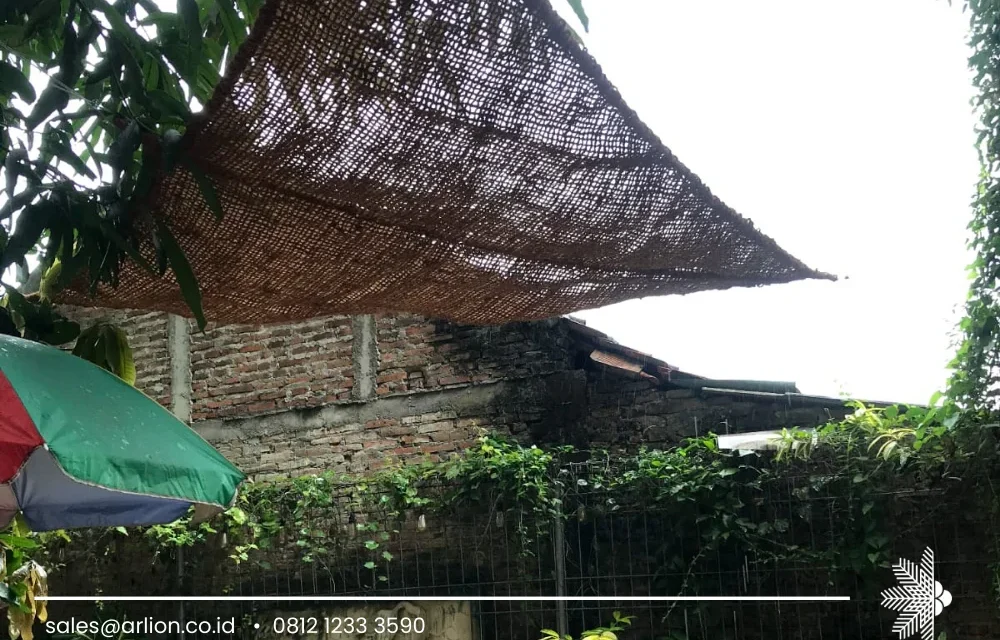
Shade sails are commonly produced in triangular, rectangular, and square configurations. Custom dimensions may also be available for projects with specific architectural requirements.
Customization can be an important consideration for international buyers. Distributors may serve customers with different installation preferences, building layouts, and local climate conditions. Offering a range of sizes and colors can therefore help manufacturers address a wider market.
International Market Opportunities
Residential and Commercial Applications Export shade sail
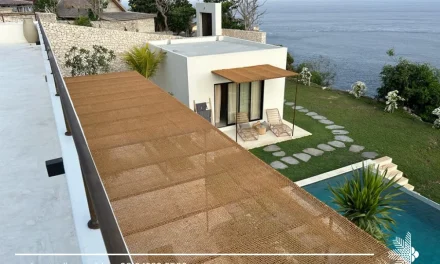
Residential applications include gardens, swimming pool areas, patios, balconies, and outdoor entertainment spaces. Homeowners often consider shade sails because they can provide a visually distinctive shading solution without constructing a permanent roof.
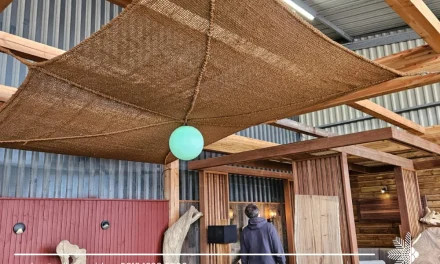
Commercial demand comes from restaurants, cafés, hotels, resorts, shopping centers, and recreational facilities. These businesses may install shade sails over outdoor seating areas, walkways, playgrounds, or customer gathering spaces.
Schools and public institutions also use outdoor shading systems to improve the comfort of selected activity areas. In these settings, product durability and installation safety are particularly important.
Opportunities for Distributors and Importers
Importers and distributors often seek manufacturers capable of supplying consistent products in commercially viable quantities. They may evaluate product specifications, available customization, production capacity, lead times, and communication quality before establishing a purchasing relationship.
Businesses planning to enter the export shade sail market should understand the needs of their target customers. A distributor serving residential retailers may require different packaging and product dimensions from a contractor supplying large commercial projects.
Quality Standards and Product Performance
UV Protection and Fabric Durability
Export shade sail One of the primary functions of a shade sail is to reduce exposure to direct sunlight. The level of UV protection depends on fabric composition, construction, color, density, and product design. Buyers should request reliable test information rather than relying solely on general marketing descriptions.
Durability is another important factor. Outdoor fabrics are exposed to sunlight, wind, rain, dust, and temperature changes. Product performance can vary depending on the material and environmental conditions.
Manufacturers should provide clear information about the intended use, maintenance requirements, and limitations of their products. This helps buyers select suitable specifications for their projects.
Stitching and Reinforcement, Export shade sail
The strength of a shade sail depends not only on its fabric but also on its construction. Reinforced corners, suitable webbing, quality stitching, and properly designed attachment points contribute to the product’s ability to withstand installation tension.
Buyers should also consider the hardware and accessories required for installation. Stainless steel fittings, tensioning components, and compatible mounting systems may be needed depending on the project design.
Challenges in Exporting Shade Sails
International trade creates opportunities but also introduces operational challenges. Manufacturers must coordinate product specifications, documentation, packaging, transportation, and delivery schedules across different markets.
Shipping and Packaging Requirements
Shade sails are generally lightweight compared with many rigid construction materials, but packaging still requires careful planning. Products should be protected against moisture, dirt, and damage during handling and transportation.
Efficient packaging can help optimize shipping space and reduce unnecessary logistics costs. Exporters should confirm carton dimensions, product quantities, labeling requirements, and shipping arrangements with buyers before dispatch.
Regulations and Documentation
Import requirements differ between countries. Depending on the destination and transaction, exporters may need commercial invoices, packing lists, certificates of origin, or other supporting documents.
Some markets may also have requirements relating to product labeling, material safety, or construction applications. Businesses should verify applicable regulations with importers and relevant authorities before shipping.
Companies participating in export shade sail transactions should also establish clear agreements covering product specifications, payment terms, delivery conditions, and procedures for handling defective goods.
Choosing a Reliable Manufacturing Partner
Evaluating Production Capabilities
International buyers should assess a manufacturer’s ability to maintain consistent production quality. Important considerations include available fabric options, customization capabilities, quality inspection procedures, production capacity, and experience handling export orders.
Requesting samples can help buyers examine material texture, stitching, finishing, and overall workmanship before placing a larger order. Written specifications are also useful for ensuring that subsequent shipments meet the agreed requirements.
Building Long-Term Business Relationships
Reliable communication plays an important role in international sourcing. Buyers need accurate information about production schedules, product availability, packaging, and shipping arrangements.
Manufacturers that provide clear technical descriptions and respond effectively to customer inquiries may be better positioned to develop long-term distribution relationships. Consistency between product samples, approved specifications, and delivered orders is equally important.
Future Outlook for the Shade Sail Industry
The demand for outdoor shading products is likely to remain connected to urban development, commercial property investment, and the growing use of outdoor spaces. Architects, contractors, property managers, and homeowners continue to explore solutions that combine functional performance with attractive design.
Manufacturers may find opportunities by developing a broader range of fabric specifications, colors, shapes, and customized dimensions. At the same time, buyers are likely to pay closer attention to durability, installation requirements, and transparent product information.
For businesses entering international markets, export shade sail opportunities require a balanced approach to product quality, competitive pricing, regulatory preparation, and dependable logistics. Manufacturers and distributors that understand these factors can build stronger relationships and respond more effectively to changing customer requirements.
As the outdoor shading sector develops, cooperation across the supply chain will remain essential. Clear specifications, reliable production, and professional export management can help businesses serve residential, commercial, and institutional markets more effectively.
For more information about Export shade sail products and available solutions, please contact WhatsApp (+62) 812-1233-3590 or email sales@arlion.co.id.