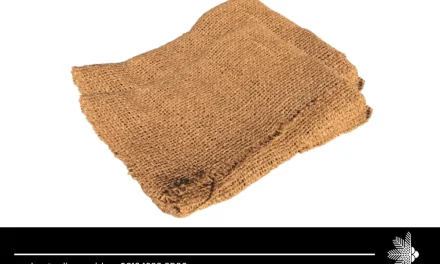
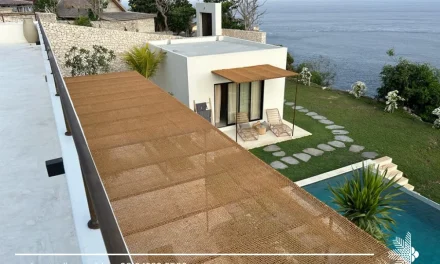
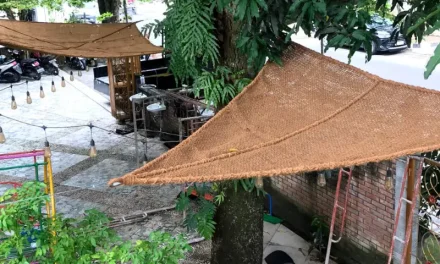
Cocomesh roller blind is attracting attention as designers, homeowners, and businesses explore interior solutions that combine practical functionality with natural materials. Growing interest in sustainable living has encouraged the market to consider alternatives to conventional window coverings, particularly products that introduce organic textures and complement environmentally conscious interiors. At the same time, consumers increasingly expect window treatments to provide privacy, manage incoming daylight, and contribute to a comfortable indoor atmosphere. The combination of coconut-derived materials and roller blind concepts offers an opportunity to develop distinctive window coverings, although product performance depends on the material composition, construction method, and intended application.

Understanding the Concept Behind Natural Roller Blinds
Window coverings play an important role in residential and commercial spaces. Beyond their decorative function, they help manage sunlight, maintain privacy, and influence the visual character of a room. Traditional roller blinds are commonly manufactured from fabrics, synthetic materials, or coated textiles designed to meet specific performance requirements.
Natural-fiber alternatives introduce a different design approach. Coconut fiber, commonly known as coir, is derived from the outer husk of coconuts and is widely used in products such as mats, ropes, and erosion-control materials. Its distinctive texture makes it an interesting material for designers seeking an organic appearance.
However, cocomesh and roller blinds are not automatically the same product. Cocomesh generally refers to a net-like structure made from coconut fiber, often associated with landscaping and erosion control. Adapting this material for window coverings requires suitable construction, dimensional stability, and safe installation. Manufacturers must therefore evaluate whether a particular coir-based structure is appropriate for indoor use before marketing it as a window treatment.
Why Natural Textures Matter in Interior Design, Cocomesh roller blind
Natural textures have become an important consideration in interior design because they can create a warmer and less artificial visual atmosphere. Materials such as bamboo, linen, rattan, and coconut fiber offer distinctive surface patterns that complement minimalist, tropical, rustic, and contemporary interiors.
Designers can use these textures to introduce contrast against smooth walls, glass surfaces, and metal furniture. In hospitality settings, natural finishes can also support a consistent visual identity across guest rooms, reception areas, cafés, and leisure facilities.
The appeal is not purely aesthetic, Cocomesh roller blind. Some consumers also want to understand where materials originate, how they are processed, and whether they can be sourced responsibly. These considerations are increasingly relevant when selecting decorative products for residential and commercial projects.
Potential Applications in Residential and Commercial Spaces
A coconut-fiber-inspired roller blind concept may suit spaces where texture and visual character are important. Nevertheless, the final application should depend on the product’s tested performance rather than its appearance alone.
Residential Interiors, Cocomesh roller blind
In homes, natural-textured window coverings can complement living rooms, covered balconies, dining areas, and selected bedroom designs. Their appearance may work particularly well with timber furniture, neutral colors, indoor plants, and other natural finishes.
Before installation, homeowners should consider how much daylight the material allows through, whether it provides sufficient privacy, and how easily it can be cleaned. A loosely woven structure may create an attractive filtered-light effect, but it may not provide the darkness or privacy required in every room, Cocomesh roller blind.
For bedrooms and media rooms, a separate blackout lining or a conventional roller blind may be more suitable. Combining materials can preserve the desired natural appearance while providing more precise control over light.
Hospitality and Commercial Interiors
Hotels, cafés, restaurants, resorts, and boutique retail spaces often use window coverings to reinforce their interior concepts. A natural-fiber-inspired finish may support tropical, eco-conscious, or locally inspired design themes.
Commercial buyers, however, need to consider maintenance, replacement costs, installation consistency, and durability under frequent use. Products installed near windows may experience repeated exposure to sunlight, temperature changes, and humidity, Cocomesh roller blind.
For this reason, samples should be evaluated under conditions similar to those expected in the final installation. Testing helps determine whether the material retains its shape, color, and mechanical performance over time.
Material Selection and Product Performance, Cocomesh roller blind
Selecting materials is one of the most important steps in developing a natural roller blind. Coconut fiber has a recognizable appearance, but its performance depends on fiber quality, processing, weaving density, and the supporting structure.
Manufacturers may need to combine coir with other fibers or backing materials to achieve the flexibility required for rolling and unrolling. The attachment system must also withstand repeated movement without excessive stretching, fraying, or deformation.
Light Control and Privacy
The density of a woven material influences how much light passes through it. Open structures can create softer daylight effects, while denser fabrics may provide greater privacy and reduce glare, Cocomesh roller blind.
However, a natural mesh should not be assumed to provide complete privacy after dark. When interior lights are switched on, silhouettes may remain visible through some open-weave materials. Buyers should examine samples under both daytime and nighttime lighting conditions.
Where stronger light control is required, manufacturers can consider a backing layer or a dual-blind configuration. The appropriate solution will depend on the desired balance between appearance, privacy, and functionality.
Durability and Maintenance
Window coverings are exposed to dust, sunlight, and changing indoor conditions. Coconut-derived materials may respond differently to moisture and cleaning products than synthetic fabrics, so maintenance procedures should be based on the manufacturer’s instructions, Cocomesh roller blind.
Regular dust removal can help maintain appearance. However, aggressive washing or prolonged exposure to moisture may damage certain natural-fiber constructions. Products intended for humid environments should undergo suitable testing before installation.
Buyers should also check the strength of the roller mechanism, mounting brackets, seams, and edges. These components contribute significantly to overall product reliability.
Sustainability and the Value of Coconut By-Products
Coconuts are cultivated in many tropical regions, including Indonesia, where the processing of coconut products generates husks and other residual materials. Using suitable coconut-derived fibers in manufactured goods can create additional markets for agricultural resources.
This approach may support local processing Cocomesh roller blind businesses and encourage the development of products with higher added value. It can also provide opportunities for manufacturers to diversify beyond established applications such as ropes, mats, and geotextiles.
Nevertheless, the environmental benefits of a natural-fiber product should be assessed across its life cycle. Collection, fiber processing, transportation, chemical treatments, backing materials, and product lifespan all influence its overall environmental footprint.
A product made from renewable raw materials is not automatically biodegradable in its entirety. Synthetic coatings, adhesives, or composite layers may affect disposal options. Clear information about material composition and end-of-life handling is therefore valuable for responsible purchasing decisions.
Manufacturing Opportunities and Market Development
Developing natural-textured roller blinds may create opportunities for manufacturers working with coconut fiber and interior products. However, successful market entry requires more than an attractive material concept, Cocomesh roller blind.
Manufacturers should assess the availability of consistent raw materials, production methods, machinery requirements, and target customer preferences. Small-scale prototypes can help determine whether the material can be rolled smoothly and maintain its shape during repeated operation.
Quality Control and Product Testing
Quality control Cocomesh roller blind should cover fiber consistency, dimensions, edge finishing, color stability, and the performance of the operating mechanism. Additional testing may be necessary for fire safety, indoor air quality, and other requirements relevant to the intended market.
For commercial installations, manufacturers should also document cleaning procedures, installation instructions, and recommended operating conditions. These details help buyers understand the product’s limitations and make informed decisions.
Market testing can begin with a limited range of sizes, colors, and designs. Feedback from interior designers, hospitality operators, and homeowners can then guide improvements before production expands.
Choosing the Right Supplier
Buyers interested in natural-fiber window coverings should ask suppliers for clear product specifications. Important details include the actual fiber composition, dimensions, mounting options, light-transmission characteristics, cleaning instructions, and warranty conditions.
It is also important to request samples before placing large orders. A physical sample allows customers to assess texture, color, flexibility, and privacy under realistic lighting conditions.
For business buyers, supplier evaluation should include production capacity, lead times, packaging, quality assurance, and after-sales support. These factors can be as important as the initial purchase price, especially when products are required for multiple rooms or commercial projects, Cocomesh roller blind.
Conclusion
Cocomesh roller blind represents an interesting design direction for businesses and consumers exploring natural textures in window coverings. Coconut-derived materials offer distinctive visual qualities and potential opportunities to add value to agricultural resources. However, their suitability depends on construction quality, light control, privacy, durability, and the requirements of the installation environment.
By combining thoughtful material selection with appropriate engineering and transparent product information, manufacturers can explore new applications for coconut fibers while meeting practical customer expectations.
For more information Cocomesh roller blind, contact us via WhatsApp at (+62) 812-1233-3590 or email sales@arlion.co.id.