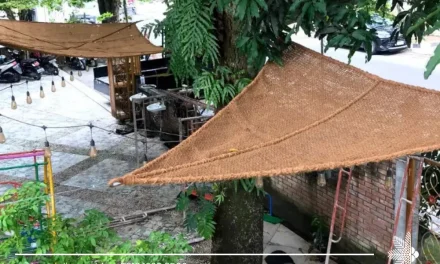
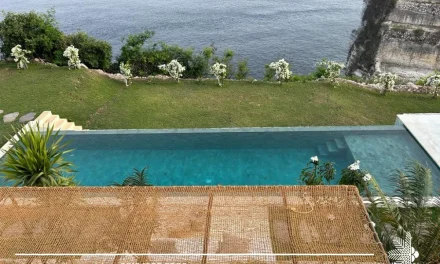
Coco sun shade is increasingly recognized as a sustainable solution in modern construction and landscaping, especially as global awareness of eco-friendly materials continues to grow. In recent years, the shift toward green architecture has encouraged developers and designers to seek alternatives that reduce environmental impact while maintaining functionality and aesthetic appeal.
Background of Eco-Friendly Shading Solutions
The construction and outdoor design industries have traditionally relied on synthetic materials such as plastic and metal for shading systems. While effective, these materials often contribute to environmental degradation and long-term waste. This has led to a growing interest in natural alternatives that can deliver similar performance without harming the environment.
Coconut-based materials have emerged as a promising solution due to their renewable nature and versatility. Coco sun shade, made from processed coconut fibers, offers a biodegradable and sustainable option that aligns with global efforts to reduce carbon footprints and promote environmentally responsible practices.
Features and Advantages of Coco Sun Shade
One of the primary benefits of coco sun shade is its ability to provide effective protection against sunlight while allowing natural airflow. This combination helps create cooler and more comfortable outdoor environments, making it ideal for use in gardens, patios, and public spaces.
Additionally, the natural appearance of coconut fibers enhances the aesthetic value of any setting. Coco sun shade blends seamlessly with natural surroundings, making it a preferred choice for eco-resorts, parks, and green building projects.
Durability and Environmental Impact
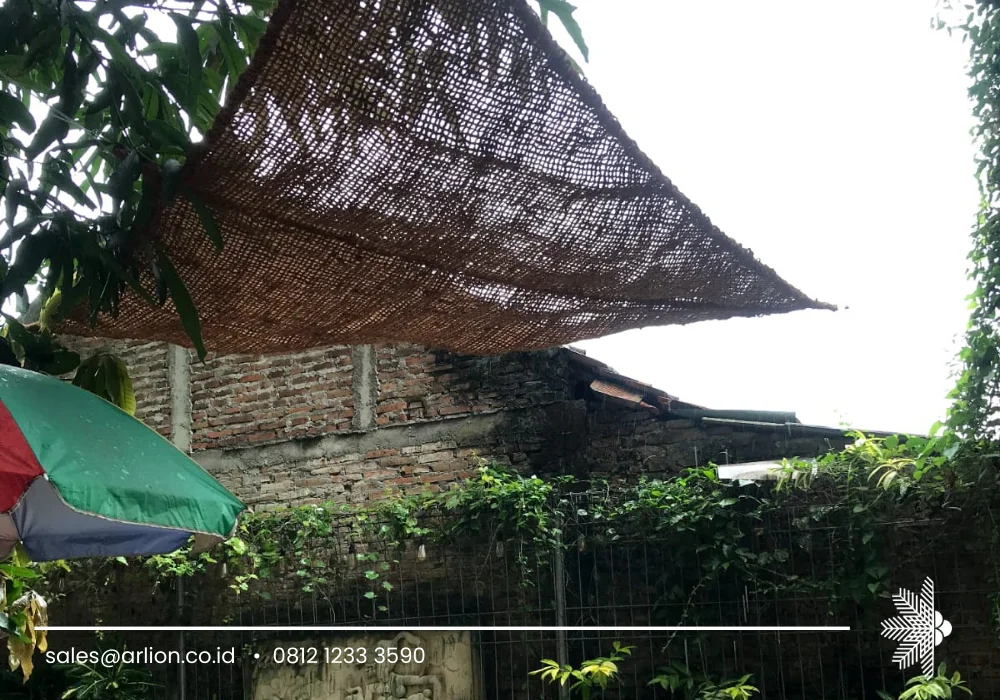
Despite being made from organic materials, coco sun shade is designed to be durable and long-lasting when properly installed. It can withstand various weather conditions, including heat and moderate rainfall, without losing its structural integrity.
Its biodegradable nature ensures that it decomposes naturally over time, reducing environmental impact. As sustainability becomes a priority in construction, coco sun shade offers a balance between durability and ecological responsibility.
Applications Across Industries
The versatility of coco sun shade allows it to be used in a wide range of applications. In residential settings, it provides shading for outdoor living areas, helping to reduce heat and improve comfort. In commercial spaces, it is often used in restaurants, resorts, and recreational facilities.
Urban planners are also incorporating coco sun shade into public infrastructure projects. By providing natural shading in parks and pedestrian areas, it enhances user experience while contributing to energy efficiency.
Role in Sustainable Architecture
Sustainable architecture emphasizes the use of materials that minimize environmental impact. Coco sun shade fits well within this framework due to its renewable origin and low carbon footprint.
By reducing the need for artificial cooling systems, it helps lower energy consumption in buildings. This makes coco sun shade an important component in achieving energy-efficient and environmentally friendly designs.
Economic Opportunities and Market Growth
The growing demand for sustainable materials has created new economic opportunities for producers and exporters. Coconut-producing regions are particularly well-positioned to benefit from this trend, as they have abundant raw materials.
Coco sun shade is gaining popularity in international markets where eco-friendly construction is becoming a standard. This opens up opportunities for businesses to expand their reach and tap into new customer segments.
Expanding Global Demand
Global demand for natural and biodegradable products continues to rise, driven by environmental awareness and regulatory policies. Coco sun shade is well-suited to meet this demand due to its sustainability and versatility.
As more countries adopt green building standards, the demand for eco-friendly shading solutions is expected to increase. This trend presents a significant growth opportunity for the industry.
Challenges in Adoption
Despite its advantages, the adoption of coco sun shade faces certain challenges. One of the main concerns is the perception of durability compared to synthetic materials. Some users may question its lifespan and resistance to extreme weather conditions.
Additionally, standardization and quality control are essential to ensure consistent product performance. Producers must invest in research and development to improve product quality and meet international standards.
Innovation and Future Development
Innovation plays a crucial role in addressing these challenges. Advances in processing techniques and treatment methods are helping improve the durability and performance of coco sun shade.
Research is also focused on enhancing resistance to moisture and UV exposure, making the product more suitable for a wider range of applications. With continued innovation, coco sun shade is expected to become a mainstream solution in the shading industry.
Future Outlook of Sustainable Shading
The future of shading solutions is closely linked to sustainability and environmental responsibility. As industries continue to move toward greener practices, the demand for natural materials is expected to grow.
Coco sun shade represents a significant step in this direction, offering a solution that meets both functional and environmental needs. Its ability to provide effective shading while reducing environmental impact makes it an attractive option for modern construction and design.
With increasing awareness and technological advancements, coco sun shade is likely to play a key role in shaping the future of sustainable architecture. Its growing adoption highlights the importance of innovation in creating solutions that support both human comfort and environmental preservation.
For more information, please contact WhatsApp (+62) 812-1233-3590 or email sales@arlion.co.id.