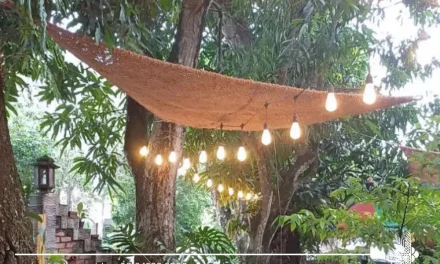
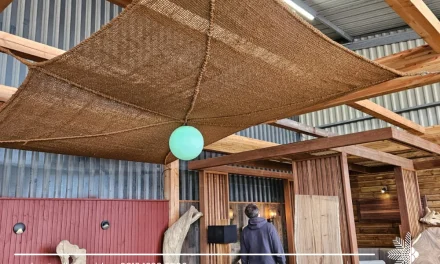
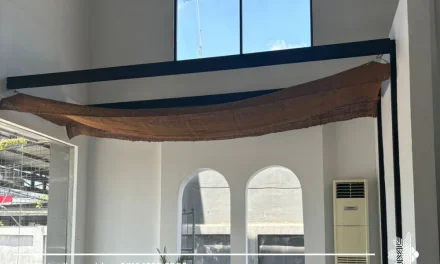
awning canopy made from coconut fiber is gaining attention as a sustainable solution in modern construction and outdoor design. The background of this innovation is closely related to the increasing demand for eco-friendly materials and the need to reduce dependence on synthetic products. As environmental concerns continue to rise, industries are actively exploring natural alternatives that are both durable and biodegradable. Coconut fiber, commonly known as coir, has emerged as a promising material due to its strength, flexibility, and abundance in tropical regions.
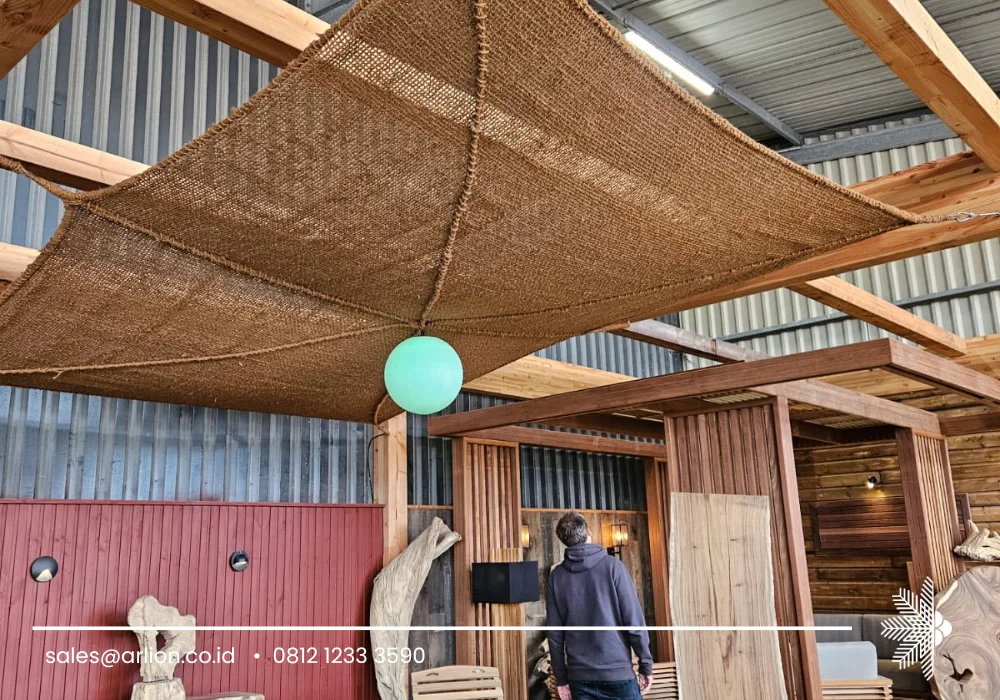
The Rise of Natural Fiber Materials
The construction and design industries are undergoing a transformation as sustainability becomes a key priority. Natural fibers are increasingly being used as substitutes for synthetic materials, offering both environmental and functional benefits.
Awning canopy products made from coconut fiber are part of this growing trend. They provide shade and protection while contributing to environmentally responsible building practices.
Why Coconut Fiber?
Coconut fiber offers several advantages that make it suitable for canopy production:
- High durability and resistance to wear
- Natural resistance to moisture and pests
- Biodegradable and environmentally friendly
- Abundant and renewable resource
These characteristics make coconut fiber an ideal material for outdoor applications.
Design and Functionality
An awning canopy serves both aesthetic and practical purposes. It is commonly used in residential, commercial, and public spaces to provide shade and enhance visual appeal.
Structural Features
Coconut fiber-based canopies are designed to be lightweight yet strong. They are often supported by metal or wooden frames that provide stability while allowing flexibility in design.
Weather Protection
These canopies are effective in protecting against sunlight and light rain. The natural fibers allow airflow, creating a cooler environment underneath.
The awning canopy not only improves comfort but also reduces heat exposure, making it a valuable addition to outdoor spaces.
Environmental Benefits
One of the most significant advantages of using coconut fiber in canopy production is its positive impact on the environment.
Reducing Synthetic Waste
Traditional canopies often use plastic-based materials that contribute to environmental pollution. In contrast, coconut fiber products decompose naturally, reducing waste.
Supporting Sustainable Practices
The use of agricultural by-products like coconut fiber promotes resource efficiency and supports sustainable industries.
Awning canopy solutions made from natural materials align with global efforts to reduce carbon footprints and promote green construction.
Economic Opportunities
The production of coconut fiber-based products creates new economic opportunities, particularly in regions where coconuts are widely cultivated.
Empowering Local Communities
Small-scale industries and local artisans can participate in the production process, generating income and supporting rural economies.
Export Potential
As demand for eco-friendly products grows internationally, coconut fiber canopies have strong potential in global markets.
Applications in Various Sectors
The versatility of awning canopy products allows them to be used in multiple settings.
Residential Use
Homeowners use these canopies for patios, gardens, and outdoor seating areas to create comfortable shaded spaces.
Commercial Spaces
Restaurants, cafés, and resorts incorporate coconut fiber canopies to enhance ambiance while providing functional shade.
Public Infrastructure
Public areas such as parks and walkways benefit from the installation of natural fiber canopies, promoting sustainability in urban design.
Challenges and Considerations
Despite their advantages, coconut fiber canopies also face certain challenges.
Durability Limitations
While strong, natural fibers may require additional treatment to withstand extreme weather conditions over long periods.
Maintenance Requirements
Regular maintenance is necessary to preserve the appearance and functionality of the canopy.
Awareness and Adoption
Limited awareness among consumers may slow the adoption of this eco-friendly alternative.
Innovations and Future Trends
The development of coconut fiber-based awning canopy products continues to evolve with advancements in technology and design.
Material Enhancement
Researchers are exploring ways to improve the durability and water resistance of coconut fiber through natural treatments and coatings.
Modern Design Integration
Designers are incorporating coconut fiber into contemporary architectural styles, blending sustainability with modern aesthetics.
Growth of Green Building Concepts
As green building certifications become more popular, the use of sustainable materials like coconut fiber is expected to increase.
Conclusion
Awning canopy made from coconut fiber represents a significant step toward sustainable design and construction. By utilizing natural, renewable materials, this innovation addresses environmental concerns while providing practical and aesthetic benefits. As awareness grows and technology advances, coconut fiber canopies are likely to become a common feature in eco-friendly architecture worldwide.
For further information, you may contact WhatsApp at (+62) 812-1233-3590 or via email at sales@arlion.co.id.