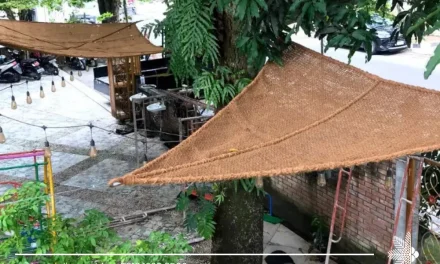
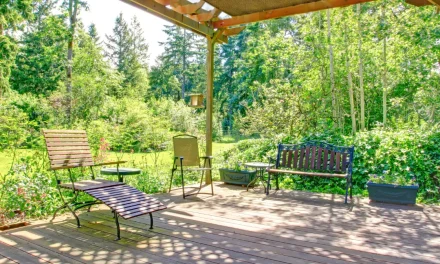
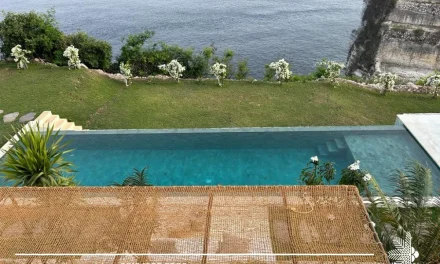
Decorative Roofing in Cafe is attracting growing attention as restaurant and hospitality businesses look for ways to create distinctive spaces that combine visual identity, comfort, and sustainable design. The trend is closely connected to the increasing popularity of outdoor dining and environmentally conscious architecture. Among the materials being considered for contemporary café concepts, coco fiber offers an interesting natural alternative because of its organic appearance, renewable origin, and compatibility with tropical and rustic architectural styles.
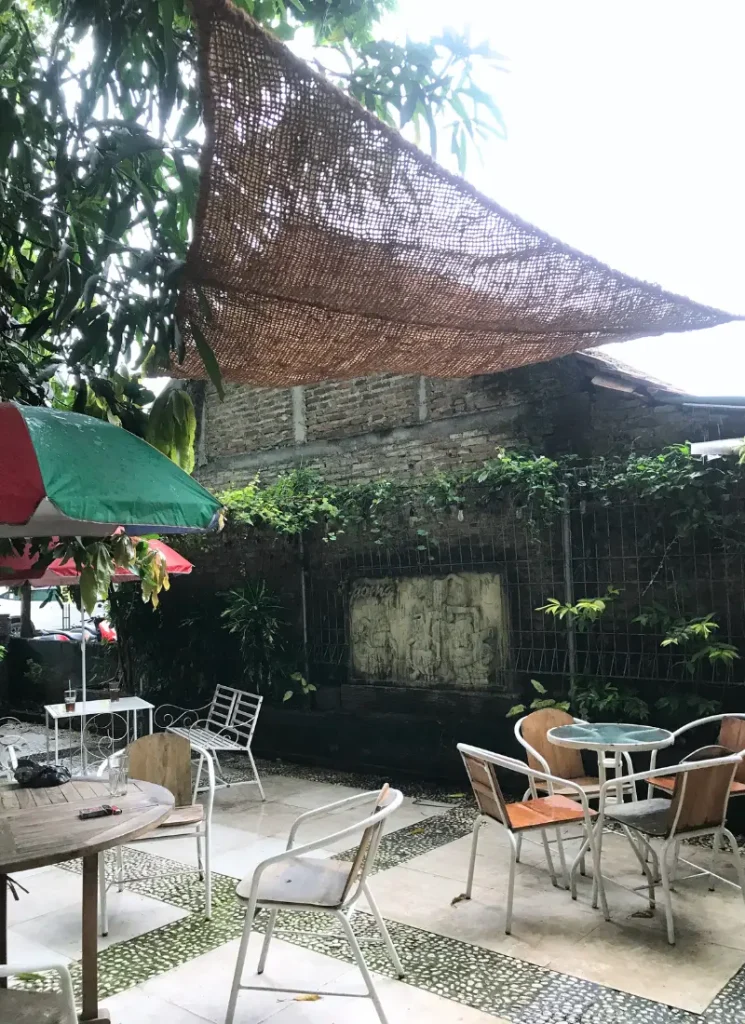
Cafés Embrace More Distinctive Designs
The café industry has changed significantly in recent years. Customers are no longer interested only in food and beverages. Interior and exterior design, atmosphere, comfort, and visual identity have become important parts of the overall dining experience.
This development has encouraged café owners and architects to pay greater attention to roofs, façades, patios, and outdoor seating areas. A well-designed roof can provide protection from weather while simultaneously becoming an important architectural feature, Decorative Roofing in Cafe.
Natural materials are particularly attractive for cafés seeking a warm and environmentally responsible atmosphere. Coco fiber, obtained from coconut husks, can contribute a distinctive texture that complements gardens, wooden furniture, stone surfaces, and tropical landscaping.
Why Roofing Has Become a Design Feature
Traditionally, Decorative Roofing in Cafe roofing was primarily viewed as a functional component designed to protect buildings from rain and sunlight. Modern hospitality design, however, increasingly treats the roof as part of the visual identity of a business.
Decorative roofing can create a recognizable appearance that helps cafés differentiate themselves in competitive markets. Unique roofing structures can also become an attractive background for photographs and social media content.
For businesses that rely on customer experiences, this visual element can contribute to stronger brand recognition.
Coco Fiber as a Natural Roofing Material
Coco fiber is obtained from the husk of coconuts, an agricultural material available in many tropical regions. Through processing and weaving, the fiber can be transformed into sheets, mats, panels, and other products suitable for architectural and landscaping applications.
The natural brown color and textured surface provide an organic appearance that works particularly well with outdoor hospitality environments.
Renewable Material Source, Decorative Roofing in Cafe
Coconut husks are agricultural by-products that can be processed into useful materials instead of being discarded. Utilizing these fibers supports more efficient resource use and contributes to circular production models.
The renewable nature of coconut cultivation also makes coconut-based materials attractive to businesses interested in sustainable design.
Natural Visual Character
Unlike highly processed synthetic roofing products, coconut fiber retains an organic appearance. Its texture can create a warm and relaxed atmosphere, which is particularly suitable for cafés with tropical, rustic, coastal, or eco-inspired concepts.
Complementing Café Architecture
Coco fiber roofing can be combined with timber, bamboo, stone, metal structures, and natural landscaping.
The combination allows designers to create visually balanced spaces without relying exclusively on conventional construction materials.
Applications in Café Design
Outdoor Dining Areas
Outdoor seating has become increasingly popular among cafés. Customers often appreciate spaces that offer fresh air and attractive surroundings.
A decorative natural roof can provide shade and shelter while contributing to the atmosphere of the dining area.
Patio and Terrace Concepts
Cafés with terraces can use natural roofing elements to visually separate dining areas from surrounding spaces, Decorative Roofing in Cafe.
The material can also create a more intimate environment for customers seeking a relaxed dining experience.
Garden Cafés
Garden cafés often emphasize connections between architecture and nature. Natural fiber roofing can reinforce this concept by blending with plants, trees, wooden furniture, and landscaped surroundings.
This approach can create a cohesive visual identity throughout the property.
Resort and Beach Cafés
Tropical hospitality businesses frequently use natural textures to create a holiday atmosphere. Coco fiber can complement coastal architectural concepts while reinforcing an association with renewable natural materials.
Functional Benefits
Although decorative appearance is important, roofing materials must also provide practical performance, Decorative Roofing in Cafe.
A properly designed roof can help reduce direct solar exposure and provide shade for customers. This is particularly valuable in outdoor dining areas located in warm climates.
Protection from Sunlight
Roof structures can reduce direct sunlight reaching seating areas, improving customer comfort during daytime operation.
Combining natural fiber roofing with appropriate structural design can create shaded spaces without completely enclosing the area.
Airflow Considerations
Outdoor café environments require adequate ventilation. Roofing designs that allow natural airflow can help prevent excessive heat accumulation.
The structure, spacing, and installation method should therefore be carefully considered during the design process.
Sustainability Becomes a Business Consideration
Environmental awareness increasingly influences customer expectations. Many consumers prefer businesses that demonstrate responsible resource use through products, packaging, energy management, and building design.
For café owners, incorporating renewable materials into architecture can become part of a broader sustainability strategy, Decorative Roofing in Cafe.
Using coconut fiber also provides an opportunity to support agricultural value chains. Coconut-producing communities can benefit when agricultural by-products are converted into commercial products.
Supporting Circular Economy Principles
Transforming coconut husks into architectural materials illustrates how agricultural residues can be given additional economic value, Decorative Roofing in Cafe.
Instead of treating the husk solely as waste, manufacturers can process it into useful materials for construction, landscaping, furniture, and interior applications.
Installation and Maintenance
The performance of natural roofing depends heavily on appropriate installation. Structural support must be designed according to the size, weight, location, and environmental conditions of the project.
Professional installation helps ensure that the roofing system remains stable and performs effectively, Decorative Roofing in Cafe.
Weather Considerations
Cafés located in regions with heavy rainfall, strong winds, or high humidity require careful material selection and structural planning.
Natural fiber products should be properly processed and installed to maximize their service life. Regular inspections can help identify signs of wear at an early stage.
Routine Maintenance
Maintenance requirements depend on the specific product and installation environment. Regular cleaning, inspection, and replacement of damaged sections can help maintain both appearance and functionality.
Market Opportunities for Natural Roofing
The growing hospitality sector creates opportunities for manufacturers of sustainable architectural materials, Decorative Roofing in Cafe.
As café owners compete to develop distinctive environments, demand for customized roofing solutions may increase. Designers can explore different patterns, shapes, textures, and combinations of natural materials.
Custom Design Potential
Natural fiber products can be adapted to various architectural concepts. Different weaving patterns and installation configurations allow designers to create roofs with unique visual characteristics.
This flexibility provides opportunities for cafés seeking distinctive branding without completely redesigning their buildings.
Future Outlook
The movement toward sustainable hospitality design is expected to continue as businesses respond to environmental concerns and changing consumer preferences.
Natural materials such as coco fiber are positioned to benefit from this trend because they combine renewable sourcing with distinctive aesthetics.
The future development of Decorative Roofing in Cafe will likely involve greater integration between architecture, sustainability, customer experience, and local material utilization.
Manufacturers that invest in quality control, innovative designs, and reliable production systems will have opportunities to serve cafés, restaurants, resorts, and other hospitality businesses.
Choosing a Reliable Supplier, Decorative Roofing in Cafe
Businesses considering natural roofing should evaluate suppliers based on material quality, production consistency, processing methods, and technical support.
Reliable suppliers can provide information about material characteristics, installation requirements, maintenance recommendations, and suitable applications.
For larger commercial projects, buyers should also consider production capacity and the supplier’s ability to maintain consistent quality throughout multiple orders.
Conclusion
Café architecture is increasingly focused on creating memorable environments that combine functionality, visual identity, and sustainability. Natural materials provide an effective way to achieve these objectives while connecting modern hospitality businesses with traditional and renewable resources.
Coco fiber offers an organic appearance, renewable material source, and versatile design potential for outdoor café environments. With appropriate installation and maintenance, it can contribute to distinctive roofing concepts while supporting responsible resource utilization. As sustainable hospitality design continues to expand, Decorative Roofing in Cafe is likely to become an increasingly relevant architectural consideration for businesses seeking unique and environmentally conscious spaces.
For more information Decorative Roofing in Cafe, please contact WhatsApp at (+62) 812-1233-3590 or email .