sunshade net is gaining attention as demand increases for practical solutions to reduce excessive sunlight in agricultural, commercial, and residential areas. The background behind this trend is closely linked to rising temperatures, changing weather patterns, and the growing need to protect plants, outdoor facilities, and working areas from intense solar radiation. As businesses and households look for affordable and flexible shade solutions, shade netting is increasingly being considered for applications ranging from nurseries and greenhouses to gardens, livestock areas, and outdoor commercial spaces.

Growing Demand for Outdoor Shade Solutions
Exposure to excessive sunlight can create challenges for agriculture and outdoor activities. Plants may experience heat stress when temperatures become too high, while people working in open areas can face uncomfortable conditions during periods of strong sunlight.
Agricultural sunshade net producers are therefore exploring different methods to control the amount of sunlight reaching their crops. Shade netting offers a relatively simple approach because it can reduce solar radiation while still allowing air to circulate around plants.
The demand is also influenced by the expansion of urban gardening sunshade net. As more people grow vegetables, ornamental plants, and other crops in limited spaces, products that help manage environmental conditions are becoming increasingly relevant.
How Shade Netting Works
A shade net is generally manufactured from woven or knitted synthetic material designed to block or filter a specific percentage of sunlight. The amount of shade depends on the material, construction, color, and density of the net.
Instead of completely blocking sunlight sunshade net, many products are designed to reduce its intensity. This allows users to select a level of shading according to the needs of their crops or outdoor areas.
For agriculture, choosing the correct shading percentage is particularly important. Plants require light for photosynthesis, so excessive shading can be just as problematic as excessive sunlight.
Applications Across Agriculture
One of the largest markets for sunshade net products is agriculture. Nurseries, greenhouses, horticultural farms, and plant propagation facilities can use shade netting to create a more controlled growing environment.
Young plants are often more sensitive to strong sunlight than mature plants. Shade structures can help reduce exposure during critical stages of growth and provide a more stable environment.
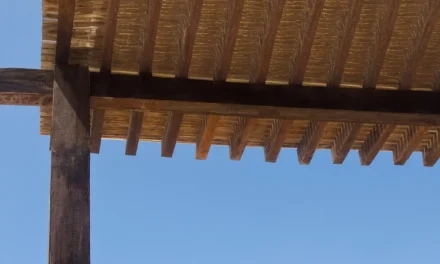
The material can also be installed over greenhouse structures, plant nurseries, or specific cultivation areas. Depending on the design, it may be permanently installed or used as a temporary covering.
Supporting Plant Protection
Temperature management is an important part of crop production. Excessive heat can increase water loss and place additional stress on plants. Shade netting can reduce direct solar exposure and potentially help moderate conditions around the crop.
However, the effectiveness of the system depends on several factors, including local climate, ventilation, crop type, net density, and installation design.
Different Crops, Different Requirements
Not every crop requires the same amount of shade. Leafy vegetables, ornamental plants, seedlings, and certain fruit crops can have different light requirements.
For this reason, growers should consider the biological characteristics of their plants before selecting a product. A net that works well for one crop may not necessarily be suitable for another.
Professional growers often evaluate sunlight intensity, temperature, humidity, and crop development before determining the appropriate shading level.
Expanding Use Beyond Farming
Agriculture is not the only sector benefiting from shade products. Residential properties, restaurants, schools, recreational facilities, parking areas, and construction sites can also use shading systems.
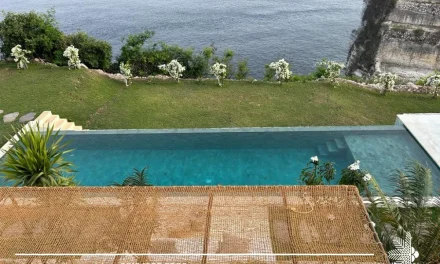
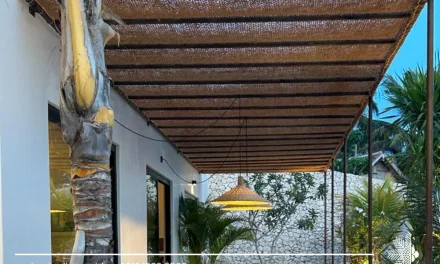
Outdoor dining areas, for example, require protection from direct sunlight to improve comfort for customers. Shade structures can also be used around swimming pools, playgrounds, patios, and gardens.
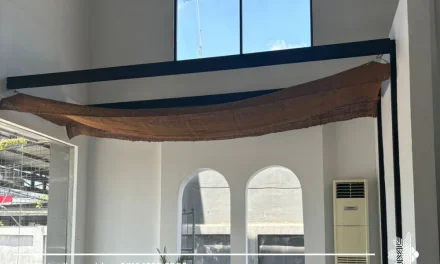
For commercial properties, an effective shade system can improve the usability of outdoor spaces without requiring permanent construction.
Importance of Material Quality, sunshade net
The performance of a sunshade net depends heavily on the quality of its material. Products designed for outdoor use must withstand exposure to sunlight, rain, wind, and temperature fluctuations.
Ultraviolet radiation is particularly important because prolonged exposure can gradually weaken synthetic materials. Manufacturers therefore focus on producing materials with suitable UV resistance and structural durability.
The quality of stitching, edges, eyelets, and attachment points should also be considered. These components determine how securely the net can be installed and how well it can withstand environmental stress.
Installation and Maintenance
Correct installation can significantly influence product performance. The net should be properly tensioned without creating excessive stress on the material or supporting structure, sunshade net.
Users should also inspect the installation periodically. Loose connections, damaged sections, or weakened support structures should be repaired before they become larger problems.
Cleaning requirements depend on the environment. Dust, leaves, and other debris may accumulate on the surface, potentially affecting airflow and light transmission.
Sustainability Becomes a Market Consideration
Environmental considerations are increasingly influencing purchasing decisions. Buyers are looking for products that can provide long service life while reducing the need for frequent replacement.
Durable shade materials can potentially reduce waste by extending the replacement cycle. At the same time, manufacturers are increasingly examining material efficiency, production processes, and end-of-life options.
Sustainability claims should nevertheless be evaluated carefully. The environmental impact of a product depends on its raw materials, manufacturing process, transportation, useful life, and disposal method.
Market Opportunities in Asia
The growing agricultural sector across Asia is creating opportunities for shade net manufacturers and suppliers. Tropical climates, strong solar radiation, and increasing demand for protected cultivation provide several potential applications.
Countries with large agricultural industries are particularly relevant markets. Producers need solutions that can help them manage environmental conditions without significantly increasing production costs.
The construction of nurseries, greenhouses, and urban farming facilities is also creating new demand. At the same time, homeowners and businesses are increasingly interested in improving outdoor comfort.
Product Development Continues
Manufacturers are developing products with different densities, dimensions, colors, and construction methods. These variations allow users to select materials according to specific applications.
Research is also focusing on improving durability and UV resistance while maintaining flexibility and ease of installation.
For professional users, consistency is particularly important. Agricultural sunshade net operations may require large quantities of material with standardized specifications to ensure uniform conditions across cultivation areas.
What Buyers Should Consider
Before purchasing sunshade net, buyers should first identify the intended application. Agricultural users should consider crop requirements, while residential and commercial users may focus more heavily on comfort and coverage.
The required dimensions should also be calculated carefully. A product that is too small may provide inadequate coverage, while excessive material can increase installation costs.
Other considerations include shading percentage, material strength, UV resistance, mesh construction, color, weight, and expected service life.
Price is another factor, but it should be evaluated together with durability and performance. A lower initial cost may not necessarily represent better value if the product requires frequent replacement.
The Outlook for Shade Netting
The market for shade solutions is expected to remain relevant as agriculture adapts to changing environmental conditions and consumers seek more comfortable outdoor spaces.
For farmers, shade technology can form part of a broader strategy involving irrigation, ventilation, crop selection, and protected cultivation. For households and businesses, it can provide a flexible way to manage sunlight without constructing permanent roofs sunshade net.
As demand develops, product quality, reliable supply, and transparent technical specifications will likely become increasingly important factors in purchasing decisions.
Conclusion
The growing interest in sunshade net products reflects a broader demand for practical solutions to manage sunlight and heat. From agricultural nurseries and greenhouses to residential gardens and commercial outdoor spaces, shade netting can serve a wide range of applications.
Its effectiveness depends on selecting the appropriate shading level, material quality, installation method, and maintenance routine. As agriculture and outdoor living continue to evolve, shade products are likely to remain an important part of efforts to create more controlled and comfortable environments, sunshade net.
For buyers, understanding the intended application and technical requirements is essential before making a purchase. With the right product and proper installation, shade netting can provide a practical and flexible solution for managing intense sunlight.
Further Information
For more information sunshade net, please contact WhatsApp (+62) 812-1233-3590 or email sales@arlion.co.id.
WhatsApp: +62 812-1233-3590 or .