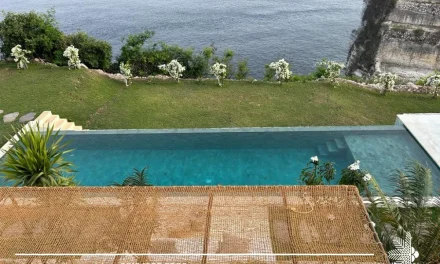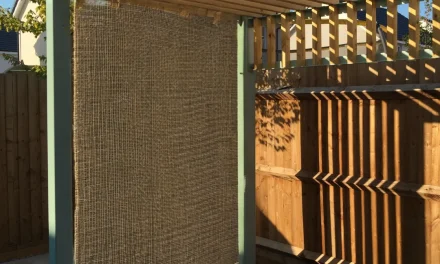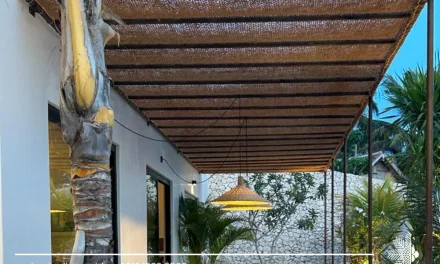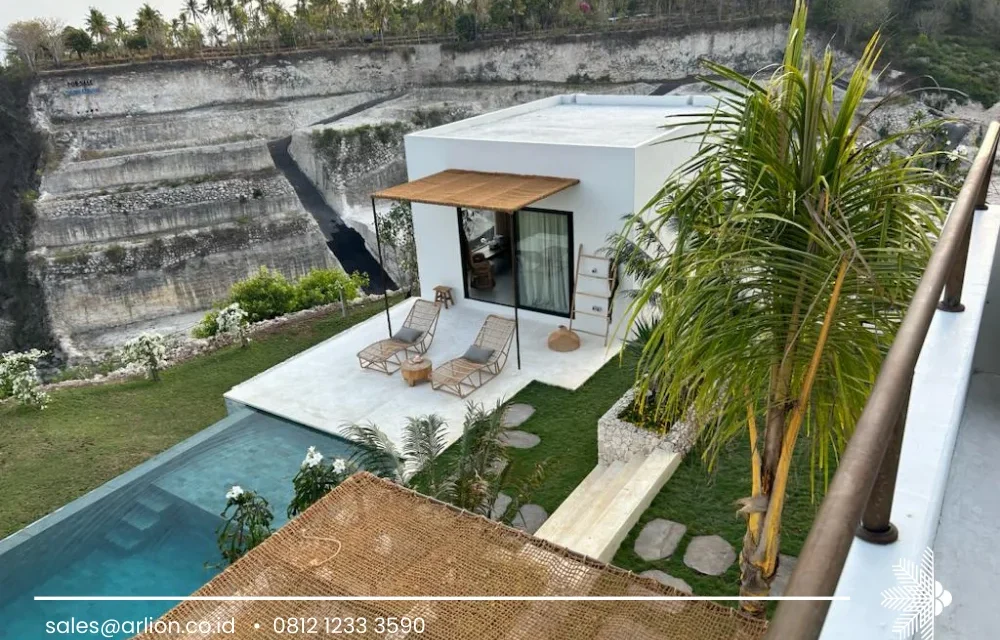
sun protection roofing has become an increasingly important element in modern architecture as global temperatures continue to rise and energy efficiency standards become more demanding. In recent years, the construction industry has placed greater emphasis on building materials and roofing systems that can reduce heat absorption, improve indoor comfort, and lower energy consumption. Climate change and urban heat island effects have pushed architects and developers to adopt roofing solutions that not only provide shelter but also actively contribute to thermal regulation and environmental sustainability. As a result, demand for advanced protective roofing systems continues to grow across residential, commercial, and industrial sectors.
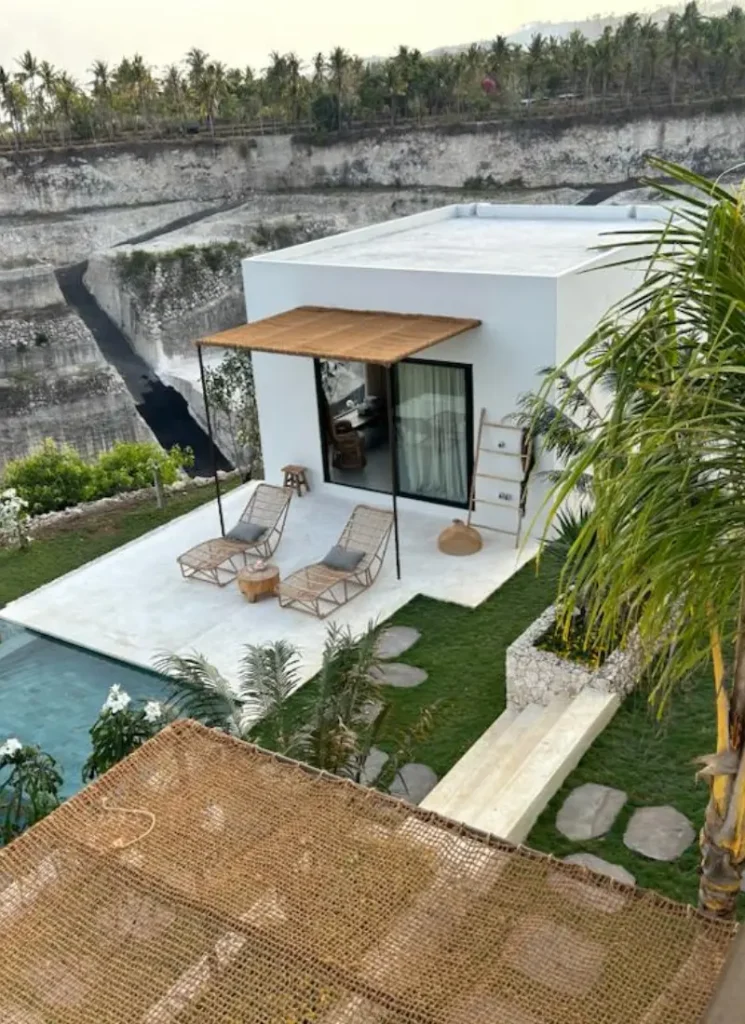
Rising Demand for Heat-Resistant Roofing Systems
The construction industry is undergoing a transformation driven by sustainability goals and energy efficiency requirements. Buildings are now expected to perform beyond basic structural functions, including climate control and environmental impact reduction.
One of the key innovations in this field is sun protection roofing, which is designed to minimize heat penetration and protect building interiors from excessive solar radiation. This type of roofing system plays a critical role in reducing cooling costs and improving indoor thermal comfort.
As global temperatures increase, especially in tropical and urban regions, the demand for heat-resistant roofing materials continues to rise significantly.
Impact of Climate Change on Building Design
Climate change has directly influenced architectural planning and material selection. Higher temperatures and unpredictable weather conditions have forced builders to rethink traditional roofing systems.
Key environmental challenges include:
- Rising average global temperatures
- Increased urban heat island effects
- Higher energy consumption for cooling
- Extreme weather conditions
These factors have made sun protection roofing an essential solution in modern building design.
Materials Used in Sun Protection Roofing
Different materials are used in roofing systems designed for solar protection, each offering unique thermal and structural benefits.
Reflective Roofing Materials
Reflective materials are widely used to reduce heat absorption by reflecting sunlight away from the building surface. These materials often include special coatings or light-colored surfaces that enhance solar reflectivity.
Insulated Roofing Systems
Insulation plays a key role in reducing heat transfer between the exterior and interior of buildings. Multi-layer roofing systems are commonly used to improve thermal resistance and energy efficiency.
In many modern constructions, sun protection roofing systems combine reflective and insulating properties for maximum performance.
Natural and Sustainable Roofing Options
Sustainable materials such as clay tiles, metal sheets with reflective coatings, and green roofing systems are increasingly popular due to their environmental benefits and durability.
Benefits of Sun Protection Roofing Systems
Modern roofing technology offers several advantages that go beyond basic shelter protection.
Energy Efficiency Improvement
One of the most significant benefits is reduced energy consumption. By limiting heat penetration, buildings require less air conditioning, resulting in lower electricity usage.
Enhanced Indoor Comfort
Maintaining stable indoor temperatures improves occupant comfort in residential, commercial, and industrial buildings.
Extended Roof Lifespan
Reduced thermal stress helps prevent material degradation, increasing the lifespan of roofing systems.
The use of sun protection roofing contributes directly to long-term cost savings and building performance optimization.
Applications in Residential and Commercial Buildings
Sun protection roofing systems are widely used across different building types.
Residential Housing
In homes, these roofing systems help maintain comfortable indoor temperatures, especially in hot climates. Homeowners benefit from reduced energy bills and improved living conditions.
Commercial Buildings
Office buildings, shopping centers, and hotels increasingly adopt energy-efficient roofing systems to reduce operational costs and meet sustainability standards.
Industrial Facilities
Factories and warehouses often require large roofing structures that can withstand high temperatures. Heat-resistant roofing materials help maintain safe working environments.
Technological Innovations in Roofing Design
Advancements in material science and construction technology have significantly improved roofing performance.
Cool Roof Technology
Cool roof systems are designed to reflect more sunlight and absorb less heat compared to traditional roofing materials. These systems are widely used in modern sustainable architecture.
Smart Roofing Systems
Some modern roofing designs incorporate sensors and smart materials that can adjust thermal performance based on environmental conditions.
Integration with Renewable Energy
Solar panel integration is becoming a common feature in energy-efficient buildings. Roofing systems are now designed to support solar installations while maintaining thermal protection.
In this context, sun protection roofing plays a dual role in both energy efficiency and renewable energy support.
Environmental and Economic Impact
Sustainable roofing systems provide benefits not only for individual buildings but also for the environment and economy.
Reduction of Carbon Emissions
Lower energy consumption leads to reduced greenhouse gas emissions from power generation systems.
Urban Heat Island Mitigation
Reflective roofing materials help reduce heat accumulation in urban areas, contributing to cooler city environments.
Long-Term Cost Savings
Although initial installation costs may be higher, energy-efficient roofing systems provide long-term savings through reduced utility bills and maintenance costs.
Challenges in Implementation
Despite its benefits, the adoption of advanced roofing systems faces several challenges.
High Initial Investment
Advanced materials and technologies often require higher upfront costs compared to traditional roofing systems.
Limited Awareness
In some regions, awareness of energy-efficient roofing solutions remains low among builders and property owners.
Technical Installation Requirements
Proper installation is essential to ensure optimal performance of sun protection roofing systems, requiring skilled labor and specialized knowledge.
Future Trends in Roofing Industry
The roofing industry is expected to continue evolving in response to environmental and technological demands.
Growth of Green Building Standards
Sustainable construction certifications and regulations are encouraging the use of energy-efficient materials in new developments.
Expansion of Smart Construction
Digital technologies and smart materials are being integrated into building systems to improve performance and efficiency.
Increased Focus on Climate Adaptation
Future building designs will prioritize resilience against climate change, making heat-resistant roofing systems even more essential.
Conclusion
sun protection roofing represents a key innovation in modern construction, addressing critical challenges related to climate change, energy efficiency, and urban sustainability. By reducing heat absorption and improving thermal performance, these roofing systems contribute to lower energy costs, enhanced comfort, and environmental protection. As global demand for sustainable building solutions continues to rise, sun protection roofing is expected to play an increasingly important role in the future of architectural design and construction practices.
Untuk informasi lebih lanjut dapat menghubungi WhatsApp (+62) 812-1233-3590 atau melalui email sales@arlion.co.id.