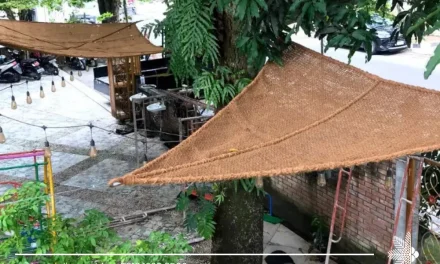
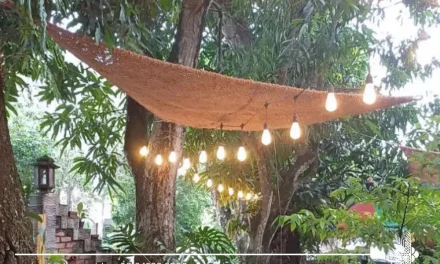
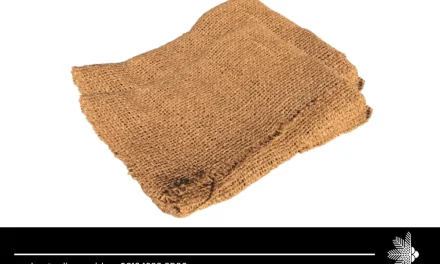
Coir roller blind products are attracting growing attention as architects, interior designers, and homeowners increasingly seek sustainable window coverings that combine natural aesthetics with practical functionality. Rising awareness of environmentally responsible materials, together with the demand for eco-friendly interior solutions, has encouraged manufacturers to develop products made from renewable resources. This trend reflects a broader shift toward sustainable living, where natural fibers are becoming an essential part of modern residential and commercial design.
Growing Interest in Natural Interior Solutions
The global interior design industry has experienced significant changes over the past decade. Consumers are no longer choosing furnishings based solely on appearance and price. Environmental responsibility, product durability, and renewable sourcing have become equally important considerations when selecting home and commercial décor.
Natural fiber products are gaining popularity because they provide an attractive balance between functionality and sustainability. As more people embrace environmentally conscious lifestyles, renewable materials are finding applications in furniture, flooring, wall coverings, decorative accessories, and window treatments.
The movement toward green building standards has further encouraged the use of sustainable interior products. Designers now prioritize materials that contribute to healthier indoor environments while reducing the environmental impact associated with manufacturing and disposal.
Why Natural Fiber Window Coverings Are Becoming Popular
Several factors explain the growing demand for natural window treatment solutions across international markets.
First, renewable materials support environmentally responsible construction and interior design projects. Products made from agricultural resources help reduce reliance on synthetic materials while promoting better resource utilization.
Second, natural textures introduce warmth and character into interior spaces. Many homeowners appreciate the organic appearance that complements both contemporary and traditional architectural styles.
Third, manufacturers continue improving production technologies, allowing natural fiber products to achieve greater consistency, durability, and visual appeal.
Finally, increasing awareness of sustainable living has encouraged consumers to choose products that align with their environmental values without sacrificing quality or performance.
Functional Benefits for Modern Spaces
Window coverings serve several important purposes beyond enhancing interior aesthetics.
Light Management
One of the primary functions of window treatments is regulating the amount of natural light entering a room. Properly designed natural fiber blinds help soften sunlight while maintaining a comfortable indoor atmosphere.
Balanced daylight improves visual comfort and reduces glare, creating pleasant living and working environments throughout the day.
Enhanced Privacy
Privacy remains a key consideration for residential and commercial buildings alike. Natural woven materials provide an effective visual barrier while preserving an inviting and elegant appearance.
This balance between openness and privacy makes renewable window coverings suitable for homes, offices, hospitality venues, and recreational facilities.
Decorative Appeal
Interior designers frequently select natural materials to create spaces that feel warm, welcoming, and connected to nature.
The distinctive texture of woven plant fibers introduces visual depth that complements wood furniture, stone finishes, neutral color palettes, and tropical-inspired décor.
Because natural materials possess unique variations, every installation contributes a distinctive character that cannot easily be replicated by synthetic alternatives.
Applications Across Different Environments
The versatility of natural window coverings allows them to be incorporated into a wide variety of architectural settings.
Residential Homes
Homeowners increasingly seek interior products that improve comfort while supporting sustainable lifestyles.
Natural window treatments fit well within living rooms, bedrooms, dining areas, patios, and sunrooms, providing both decorative value and practical performance.
Their timeless appearance makes them suitable for minimalist, Scandinavian, rustic, coastal, and tropical interior themes.
Hotels and Resorts
Hospitality businesses often emphasize natural design elements to create relaxing environments for guests.
Eco-friendly materials reinforce a property’s commitment to sustainability while enhancing the overall guest experience through comfortable and visually appealing interiors.
Many resorts located in coastal or tropical destinations prefer renewable decorative materials that harmonize with the surrounding landscape.
Restaurants and Cafés
Restaurants and cafés continue incorporating sustainable décor to establish inviting dining spaces.
Natural textures contribute to warm atmospheres that encourage customers to relax and enjoy their surroundings. Combined with wooden furniture and greenery, renewable window treatments create memorable interior experiences that support modern hospitality concepts.
Commercial Offices
Modern workplaces increasingly prioritize employee well-being and environmentally responsible office design.
Natural decorative elements help soften corporate environments while contributing to more comfortable workspaces. Companies pursuing sustainability initiatives often incorporate renewable materials throughout office interiors to reinforce their environmental commitments.
Environmental Advantages
Sustainability remains one of the strongest reasons for growing market demand.
Renewable Resources
Agricultural materials provide renewable alternatives to synthetic products manufactured from petroleum-based resources.
Responsible utilization of natural fibers supports more efficient resource management while creating additional economic value from agricultural production.
This approach aligns with circular economy principles that emphasize waste reduction and renewable material utilization.
Lower Environmental Impact
Many renewable products require less energy during production than conventional synthetic alternatives.
Reducing manufacturing emissions supports broader climate objectives and helps organizations meet sustainability targets established by governments, investors, and environmentally conscious consumers.
Manufacturers continue investing in cleaner production technologies that further improve environmental performance throughout the manufacturing process.
Supporting Sustainable Lifestyles
Consumers increasingly recognize that everyday purchasing decisions influence environmental outcomes.
Choosing renewable home furnishings allows individuals and businesses to participate in more sustainable consumption patterns while encouraging responsible manufacturing practices across global supply chains.
Innovation Continues to Shape the Industry
Manufacturers are continually improving production methods to increase product quality, durability, and design flexibility.
Advancements in weaving technology, finishing techniques, and quality control systems have enabled producers to deliver natural window treatments that satisfy the expectations of architects, contractors, and interior designers worldwide.
Research also focuses on improving resistance to environmental conditions, expanding color options, and developing installation systems that simplify maintenance while preserving the natural appearance of renewable fibers.
Global Market Opportunities
International demand for sustainable interior products continues expanding alongside growth in green construction and environmentally responsible consumer behavior.
Export markets increasingly value products that combine attractive design, renewable materials, and reliable manufacturing standards.
Companies capable of maintaining consistent quality, dependable production capacity, and responsive customer service are well positioned to serve growing demand across residential, hospitality, commercial, and architectural sectors.
Strong quality assurance systems, efficient logistics, and long-term customer partnerships remain essential competitive advantages for suppliers operating in global markets.
Future Outlook
The future of sustainable interior design appears increasingly promising as environmental awareness continues influencing purchasing decisions around the world.
Architects, developers, and homeowners are expected to place greater emphasis on renewable decorative materials that deliver both functional performance and aesthetic value.
Supported by continuous innovation, expanding export opportunities, and growing interest in environmentally responsible living, coir roller blind solutions are likely to remain an important choice for modern interior projects seeking sustainability without compromising style.
For more information, please contact WhatsApp at (+62) 812-1233-3590 or email sales@arlion.co.id.