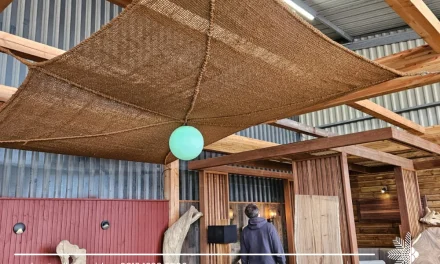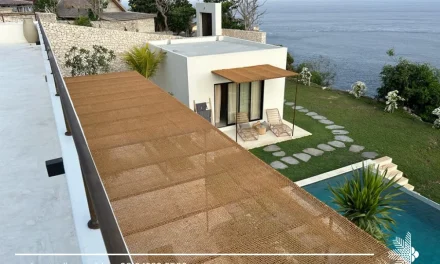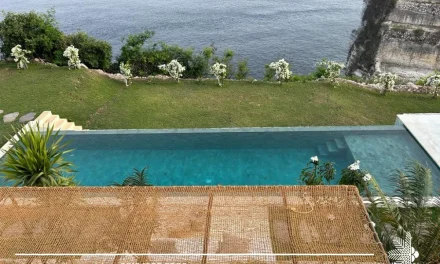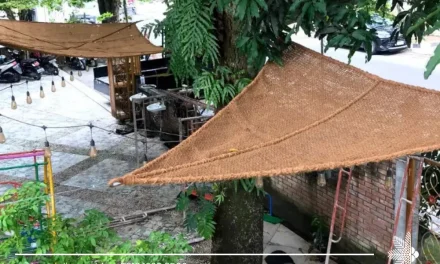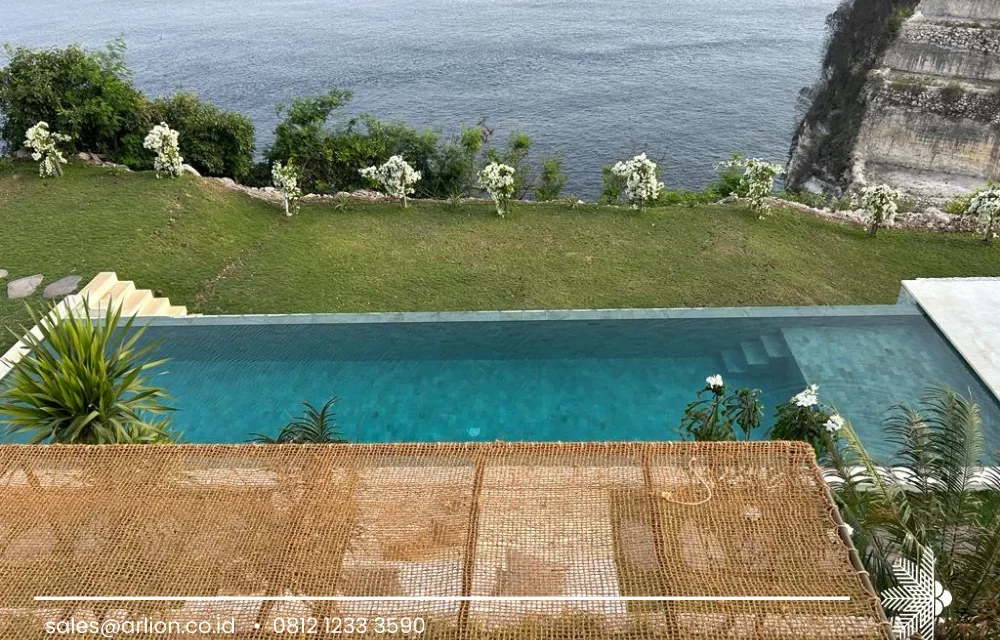
Coco beach shade is becoming an increasingly popular solution in coastal tourism areas where natural materials are preferred for creating comfortable and environmentally friendly outdoor spaces. The rising awareness of sustainable tourism and eco-conscious design has encouraged resort developers and beach facility managers to adopt materials derived from coconut resources. As tourism destinations continue to grow around tropical coastlines, structures made from natural fibers are gaining attention for their aesthetic value, durability, and environmental benefits.
Background of Natural Materials in Beach Tourism
Coastal tourism has experienced rapid growth in many tropical countries over the past two decades. Beaches have become important destinations for recreation, relaxation, and hospitality businesses. However, the expansion of tourism infrastructure has also raised concerns about environmental sustainability and the preservation of natural landscapes.
In response to these concerns, many developers are now turning to eco-friendly materials for beach facilities. Coco beach shade structures have emerged as one of the solutions that combine natural beauty with practical functionality. Made primarily from coconut-based materials, these shading systems provide protection from sunlight while maintaining a tropical and organic appearance.
Coconut resources are widely available in coastal regions, making them an accessible and sustainable material for construction and landscaping purposes. By utilizing coconut-derived materials, tourism operators can reduce reliance on synthetic products while supporting local agricultural economies.
Understanding Coco-Based Shade Structures
Beach shade structures are essential elements in coastal recreation areas. Visitors often spend long hours at the beach, and adequate protection from direct sunlight is necessary for comfort and safety. Natural shade structures made from coconut fibers or leaves offer a traditional yet effective method for creating shaded spaces.
A coco beach shade system typically incorporates coconut leaves, coir ropes, or other coconut-based materials into its construction. These materials are arranged in a way that provides sufficient coverage while allowing air circulation. The result is a shaded area that remains cool even under intense tropical sunlight.
Natural Cooling Effect
One of the main advantages of coconut-based shade structures is their natural cooling capability. Unlike metal or plastic materials that trap heat, coconut fibers allow airflow through their woven structure. This ventilation helps maintain a comfortable temperature underneath the shade.
In addition, the natural texture of coconut materials reflects part of the sunlight while absorbing excess heat. This combination of properties creates a cooler environment compared to many synthetic shade solutions.
Applications in Beach Resorts and Tourism Areas
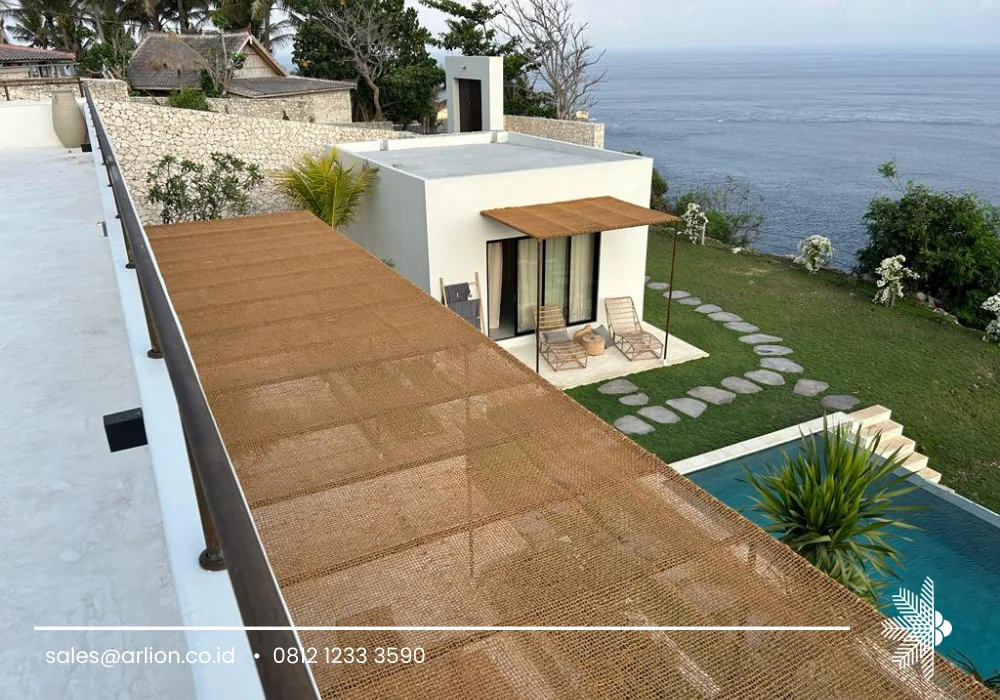
Resorts and beachside businesses are increasingly adopting natural shade systems to enhance the visitor experience. A well-designed coco beach shade installation can provide both functional and aesthetic value for hospitality spaces.
Many beach resorts use these structures in lounge areas where guests relax on sunbeds or seating arrangements. The natural design complements the coastal landscape and creates an inviting atmosphere for tourists seeking a tropical experience.
Shade for Recreational Facilities
Beyond resort settings, natural shading systems are also used in public beach facilities. Picnic areas, outdoor cafes, and recreational zones often require shaded spaces where visitors can escape direct sunlight.
By using coconut-based materials, facility managers can create structures that blend seamlessly with the surrounding environment. These installations not only serve practical purposes but also enhance the visual appeal of the beach landscape.
Environmental Benefits of Coconut-Based Materials
Sustainability is one of the key reasons behind the increasing popularity of natural shade structures. Coconut trees produce a variety of by-products that can be transformed into useful materials for construction and design.
A coco beach shade structure utilizes renewable resources that are biodegradable and environmentally friendly. Unlike synthetic roofing materials, coconut fibers naturally decompose over time without leaving harmful residues in the environment.
Supporting Local Communities
The use of coconut-based products in tourism infrastructure also benefits local communities. In many coastal regions, coconut farming is a major source of livelihood. By creating demand for coconut-derived materials, tourism development can support local agricultural economies, coco beach shade.
Artisans and small-scale producers often participate in the production of coconut-based building materials. This involvement creates employment opportunities while preserving traditional craftsmanship associated with coconut processing.
Durability and Maintenance
Although natural materials are biodegradable, they can still offer impressive durability when properly processed and maintained. Coconut fibers and leaves are naturally resistant to certain environmental conditions, making them suitable for outdoor use.
A well-constructed coco beach shade installation can withstand strong sunlight, moderate rainfall, and coastal wind conditions. Regular maintenance such as replacing worn sections and ensuring structural stability helps extend the lifespan of the structure.
Weather Adaptation
Coastal environments can be harsh due to salt air, intense sunlight, and occasional storms. Coconut-based shade structures are often designed with flexible frameworks that allow them to adapt to wind movement.
This flexibility reduces the risk of structural damage during strong winds. In addition, natural materials can be replaced more easily than many synthetic alternatives, making maintenance more practical for beach facility operators.
Aesthetic Value in Tropical Design
One of the reasons why coconut-based shade structures are highly valued in tourism architecture is their visual appeal. Natural fibers and leaves create a warm, organic appearance that aligns perfectly with tropical design themes.
Visitors often associate natural materials with relaxation and authenticity. A coco beach shade structure can enhance the ambiance of a beach destination by providing a setting that feels both comfortable and culturally connected to the surrounding environment.
Enhancing Tourist Experience
Tourism destinations rely heavily on visual experiences to attract visitors. Beautiful landscapes, relaxing environments, and well-designed facilities all contribute to a memorable stay.
Natural shade structures made from coconut materials help create a distinctive identity for beach resorts. They reflect the character of tropical regions and allow visitors to enjoy outdoor spaces in a more authentic way.
Future of Natural Beach Infrastructure
As sustainability becomes a central focus in tourism development, the demand for eco-friendly infrastructure is expected to continue growing. Natural materials derived from renewable resources offer promising alternatives to synthetic construction products.
Innovations in processing coconut fibers and other natural materials may lead to stronger and more durable shade systems in the future. These improvements could expand the use of coconut-based materials in various types of outdoor architecture, coco beach shade.
The continued development of coco beach shade structures reflects a broader movement toward sustainable tourism practices. By integrating natural resources into modern design, coastal destinations can provide comfortable visitor experiences while protecting the environment.
For more information coco beach shade, please contact WhatsApp (+62) 812-1233-3590 or email sales@arlion.co.id.