coco cairns shade sail is increasingly discussed as a background story in the rise of environmentally friendly outdoor design, especially in regions with strong sunlight and a growing awareness of sustainable living. In recent years, communities, designers, and businesses have been searching for alternatives to synthetic shading materials, and natural fiber–based solutions have begun to attract attention as part of this wider movement.
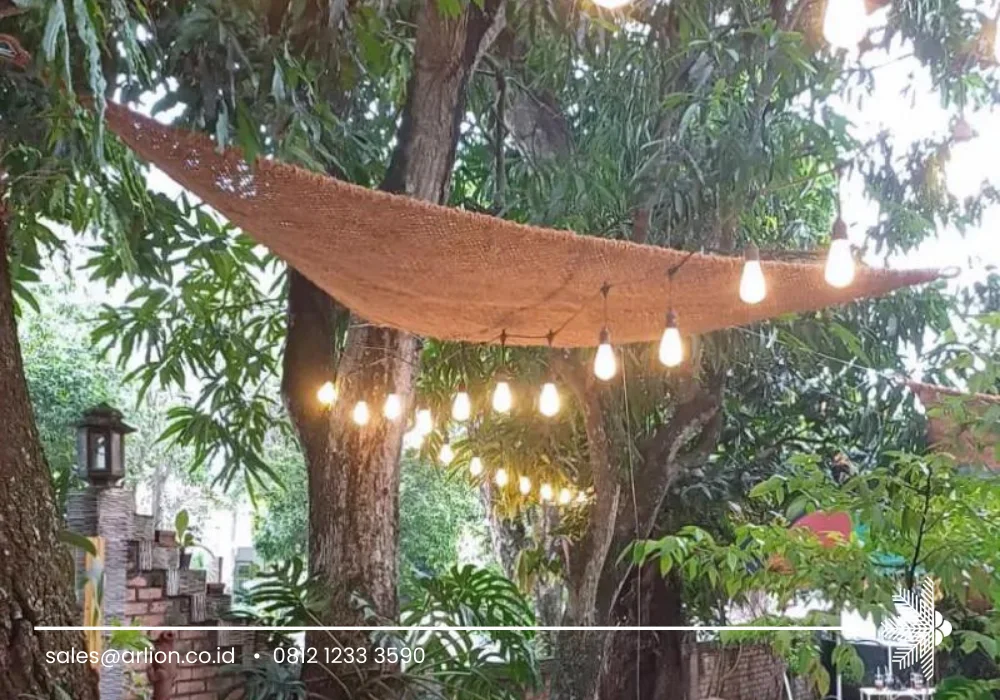
The discussion around natural shade solutions has grown alongside global concerns about climate change and urban heat. Cities and coastal regions are looking for ways to reduce heat exposure while maintaining aesthetic value. This background has placed natural fiber shade sails into the public spotlight, particularly those associated with tropical and coastal lifestyles.
Background of Natural Shade Solutions
Shade sails have long been used in parks, schools, resorts, and residential areas to provide protection from intense sunlight. Traditionally, these structures relied heavily on synthetic fabrics. However, environmental concerns related to plastic waste and long-term degradation have encouraged innovation in material choices.
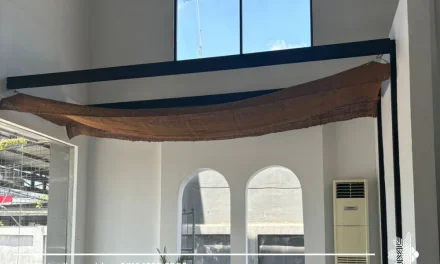
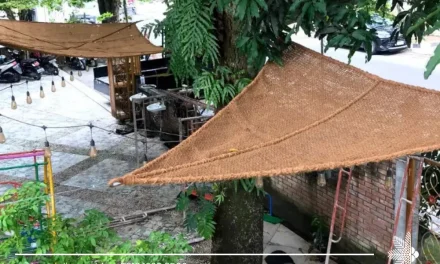
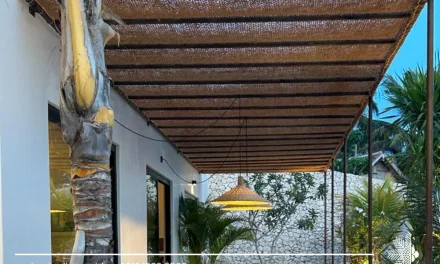
The emergence of coco cairns shade sail reflects a broader trend toward using renewable resources. Coconut-based fibers are known for their strength, breathability, and natural resistance to harsh outdoor conditions. These qualities make them suitable for shading applications, especially in warm climates.
Influence of Coastal and Tropical Design
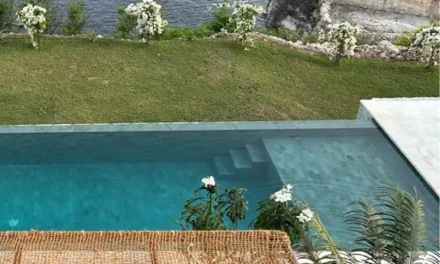
Coastal regions often inspire design solutions that balance function and harmony with nature. Designers in these areas tend to favor materials that blend with the environment rather than dominate it. Natural fiber shade sails align with this philosophy by offering organic textures and earthy tones.
In addition, tropical climates require shading systems that allow airflow while reducing direct sun exposure. Natural fiber structures answer this need by creating cooler spaces without completely blocking ventilation.
Growing Interest from Public and Private Sectors
Public spaces such as playgrounds, community parks, and beachfront areas increasingly adopt eco-conscious designs. Local governments and developers recognize that sustainable materials can enhance public image while addressing environmental responsibilities.
Private sectors, including hospitality and tourism, also show interest. Resorts and cafes aim to create comfortable outdoor spaces that reflect sustainability values. The use of coco cairns shade sail has become part of this narrative, symbolizing a blend of function, design, and environmental awareness.
Role of Sustainability in Consumer Choices
Modern consumers are more informed about coco cairns shade sail the environmental impact of the products they use. This awareness influences purchasing decisions, especially for large outdoor installations. Materials that are biodegradable or sourced from renewable resources often gain preference.
Natural fiber shade sails benefit from this shift. They are perceived not only as functional structures but also as statements of environmental commitment.
Environmental and Economic Considerations
One of the main environmental advantages of coco cairns shade sail materials is their renewability. Coconut husks are a byproduct of agricultural activity and can be processed into useful fibers instead of becoming waste.
From an economic perspective, the development of natural shade products supports agricultural communities and processing industries. This creates a value chain that benefits multiple sectors, from farming to design and construction.
Durability and Maintenance Aspects
While natural materials are sometimes assumed to be less durable, advances in processing and treatment have improved their performance. Properly treated coconut fibers can withstand outdoor exposure for extended periods.
Maintenance practices, such as regular inspection and appropriate installation, further extend product lifespan. These factors contribute to the growing confidence in natural shade solutions.
Design Flexibility and Aesthetic Appeal
Another reason for increasing attention is design flexibility. Natural fiber shade sails can be customized in shape, size, and installation style. This allows architects and designers to adapt them to various spaces, from small courtyards to large public areas.
The visual appeal of coco cairns shade sail lies in its organic look. It complements landscapes, wooden structures, and natural stone, creating cohesive outdoor environments that feel welcoming and calm.
Integration with Modern Architecture
Contrary to the belief that natural materials only suit traditional designs, many modern architectural projects successfully integrate them. Clean lines and minimalist structures often benefit from the contrast provided by textured natural fibers.
This integration demonstrates that sustainability and modernity can coexist without compromising visual identity.
Challenges and Future Outlook
Despite its advantages, the adoption of natural fiber shade sails faces challenges. These include availability of raw materials, consistency in quality, and the need for skilled installation. Education and technical support play important roles in addressing these issues.
Looking forward, continued research and collaboration between designers, manufacturers, and environmental experts are expected to improve product standards. As sustainability becomes a central theme in construction and outdoor design, natural shade solutions are likely to gain wider acceptance.
Long-Term Impact on Sustainable Design
The increasing visibility of coco cairns shade sail highlights a shift in how communities think about outdoor spaces. Shade structures are no longer seen as purely functional additions but as elements that reflect values and environmental responsibility.
This shift may encourage further innovation coco cairns shade sail in natural materials, influencing future trends in architecture and landscape design.
Conclusion
In conclusion, natural fiber shade sails represent more than a design trend. They embody a response to environmental challenges, consumer awareness, and the need for comfortable outdoor spaces. The growing attention toward coco cairns shade sail shows how traditional materials can find new relevance in modern contexts.
As awareness and demand continue to grow, natural shade solutions are expected to play an increasingly important role in sustainable outdoor living.
For further information coco cairns shade sail, you may contact WhatsApp at (+62) 812-1233-3590 or via email at sales@arlion.co.id.