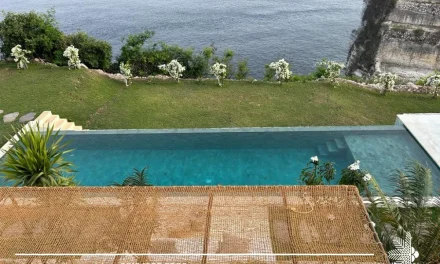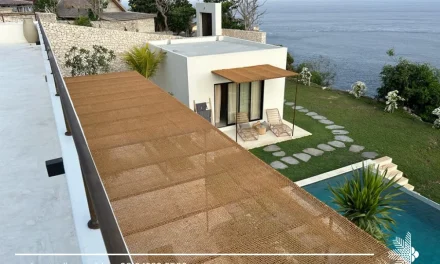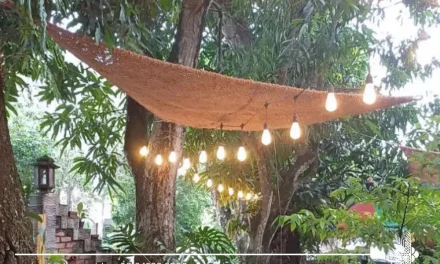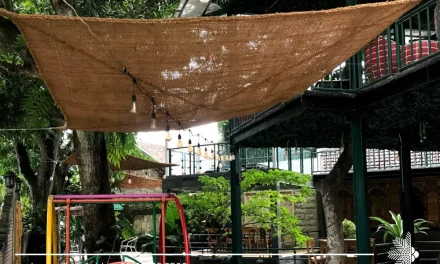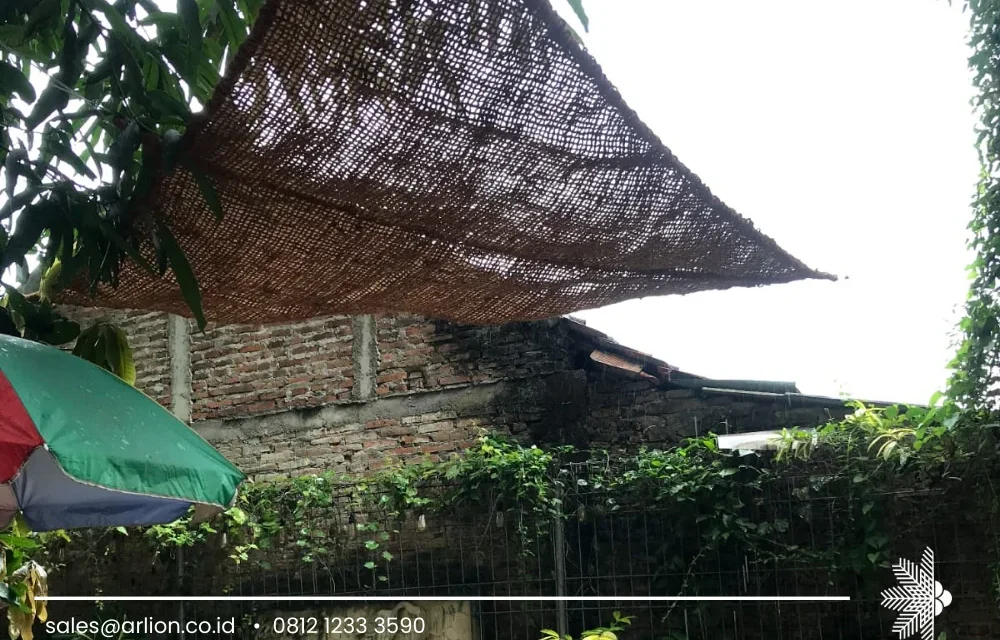
Coco village shades are gaining attention in the hospitality and eco-tourism sectors as natural design elements that combine traditional aesthetics with sustainable materials. In recent years, the tourism industry has increasingly embraced environmentally friendly architecture, encouraging resorts and outdoor spaces to adopt natural materials that blend seamlessly with tropical landscapes.
Background of Sustainable Resort Architecture
The rise of eco-tourism has significantly influenced how resorts, villas, and recreational spaces are designed. Travelers today are not only looking for comfort but also for experiences that connect them with nature. As a result, architects and designers are exploring materials that reflect local culture while maintaining environmental responsibility.
Natural materials such as bamboo, coconut wood, and palm-based products have become popular choices in tropical architecture. Among these elements, coco village shades have emerged as an innovative solution for creating shaded outdoor environments that remain cool, visually appealing, and environmentally responsible.
The use of coconut-based materials in construction also aligns with the concept of sustainable resource management. Coconut trees are abundant in many tropical regions, and their byproducts can be transformed into valuable building components without harming the environment.
What Are Coco Village Shades?
Coco village shades refer to shading structures made from coconut-based materials that are commonly used in outdoor architecture. These shades are designed to provide protection from sunlight while maintaining airflow and a natural atmosphere. They are often used in beach resorts, garden lounges, restaurants, and recreational areas.
One of the main advantages of coco village shades is their ability to create a relaxing tropical ambiance. The natural texture and color of coconut materials complement surrounding landscapes, making them ideal for resorts that want to emphasize authenticity and local identity.
In addition to their aesthetic appeal, these shading systems also offer functional benefits. They reduce heat exposure in outdoor areas, allowing guests to enjoy open-air environments without discomfort. This makes them particularly valuable in tropical climates where strong sunlight can limit outdoor activities.
Materials and Construction Techniques
The construction of coco village shades typically involves combining coconut wood structures with natural fibers or woven coconut-based materials. Skilled craftsmen often assemble these components using traditional techniques that have been passed down through generations.
These traditional methods not only preserve cultural heritage but also ensure that the final product remains durable and functional. Coconut wood is known for its strength and resistance to environmental conditions, making it suitable for outdoor structures.
In modern construction projects, designers may combine traditional craftsmanship with contemporary engineering to improve structural stability and longevity. This blend of old and new techniques helps create shading systems that meet modern safety standards while maintaining their natural charm.
Applications in Hospitality and Tourism
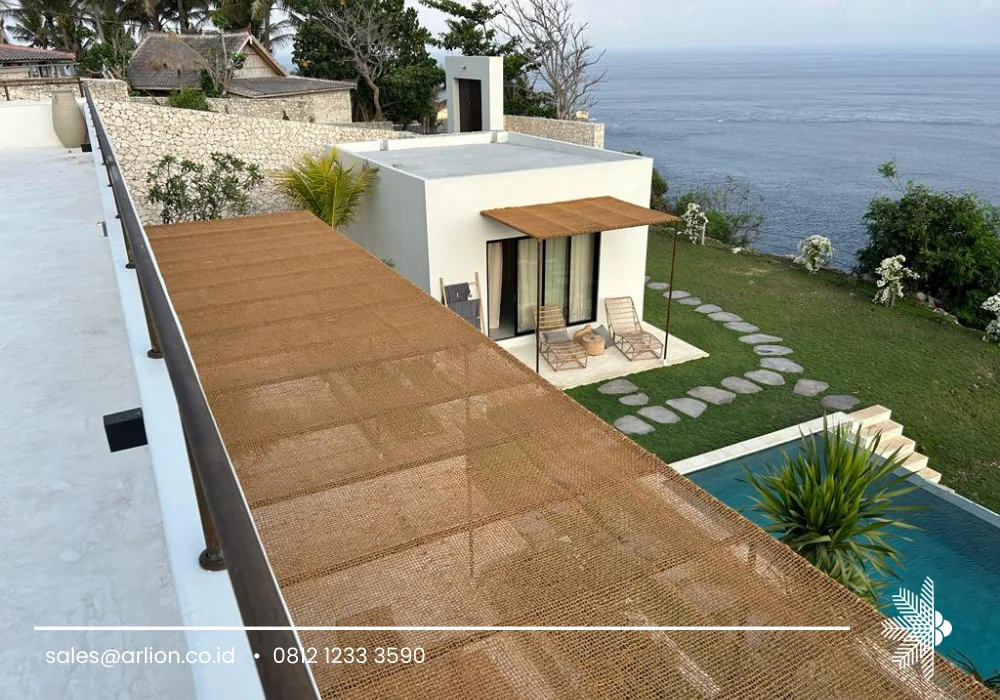
Resorts and eco-lodges often rely on natural design elements to enhance the guest experience. Outdoor lounges, poolside areas, and beachside restaurants frequently use shading structures that complement the natural surroundings.
In many tropical destinations, coco village shades have become an essential part of resort landscapes. Their presence helps create inviting spaces where guests can relax, dine, or socialize while enjoying scenic views.
The hospitality industry values these structures not only for their visual appeal but also for their practicality. By providing shade and ventilation, they help reduce reliance on mechanical cooling systems, which contributes to energy efficiency.
Integration with Eco-Friendly Design
Eco-friendly architecture focuses on minimizing environmental impact while maximizing comfort and functionality. Natural shading systems play an important role in this approach because they regulate temperature and reduce direct sunlight exposure.
Designers often integrate coco village shades into broader sustainability strategies that include green roofs, natural ventilation, and the use of renewable materials. These design principles help create buildings that harmonize with the surrounding environment.
Another advantage of natural shading structures is their adaptability. They can be customized to fit different architectural styles, from traditional village-inspired resorts to modern tropical villas.
Economic and Cultural Value
The use of coconut-based construction materials also supports local economies. In many regions where coconut trees are widely grown, artisans and small industries rely on coconut byproducts for their livelihoods.
Producing coco village shades creates opportunities for local craftsmen to showcase their skills and maintain traditional building practices. This not only generates income but also helps preserve cultural heritage.
Tourists often appreciate these authentic design elements because they reflect the character and identity of the destination. Natural materials and handcrafted structures contribute to a unique atmosphere that cannot easily be replicated with synthetic alternatives.
Challenges and Maintenance
Although natural materials offer many advantages, they also require proper maintenance to ensure long-term durability. Exposure to sunlight, rain, and humidity can gradually affect organic materials if they are not treated or maintained correctly.
Regular inspections and protective treatments can extend the lifespan of shading structures made from coconut materials. Many resorts implement routine maintenance programs to preserve both the structural integrity and visual appearance of their outdoor features.
Proper installation is equally important. Professional planning ensures that shading structures are securely anchored and capable of withstanding strong winds or other environmental conditions.
Future Trends in Natural Outdoor Design
The growing emphasis on sustainability is expected to further increase the demand for natural architectural elements in tourism and hospitality projects. Designers are exploring new ways to incorporate organic materials into modern building concepts without compromising durability or comfort.
Innovations in treatment methods and structural engineering are making coconut-based materials more versatile and long-lasting. These advancements allow architects to experiment with larger and more complex shading designs while maintaining environmental responsibility.
As eco-tourism continues to expand, the popularity of coco village shades is likely to grow as well. Their combination of sustainability, cultural authenticity, and aesthetic value makes them a valuable feature in tropical resort design.
Natural architecture not only enhances visual appeal but also strengthens the connection between built environments and the surrounding landscape. By embracing renewable materials and traditional craftsmanship, the tourism industry can create spaces that are both beautiful and environmentally responsible.
For more information, please contact WhatsApp (+62) 812-1233-3590 or email sales@arlion.co.id.