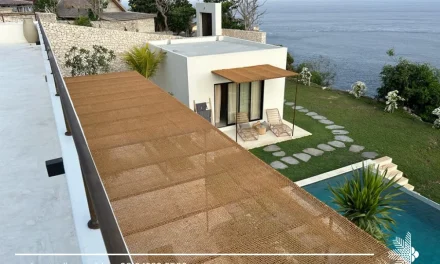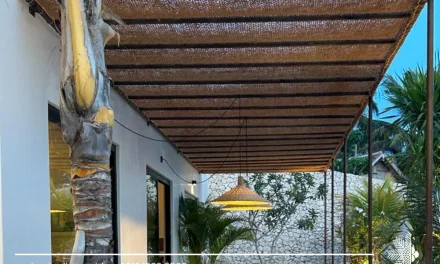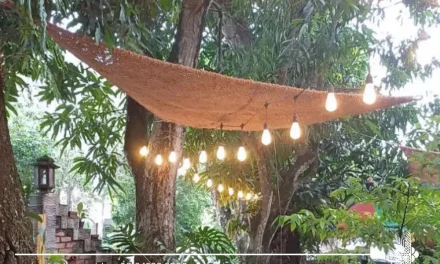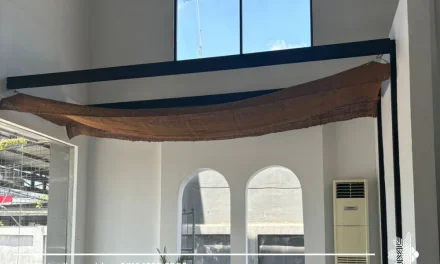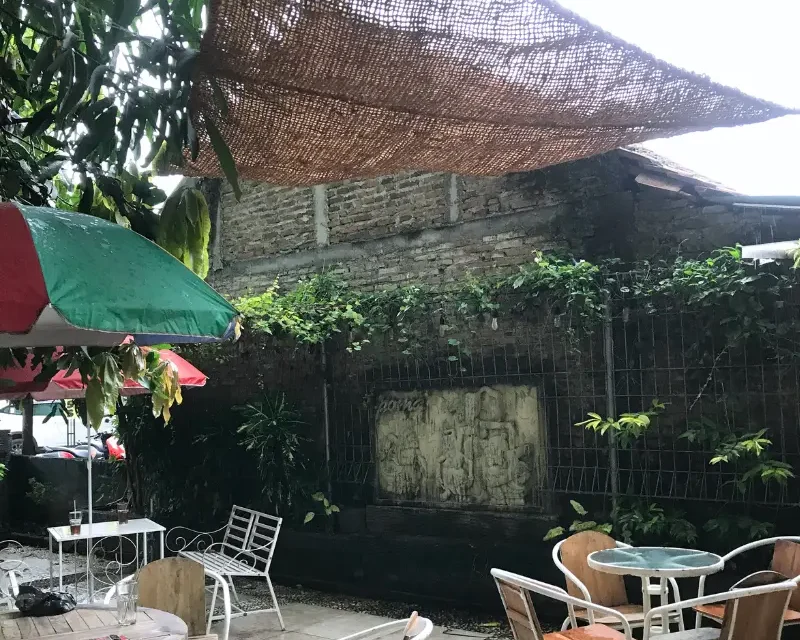
Coconut shades restaurant concepts are increasingly highlighted in international lifestyle and hospitality news as dining spaces seek sustainable and visually distinctive design solutions. The background of this trend is closely linked to the global push for eco-friendly architecture, tropical aesthetics, and natural materials that enhance guest experience while reducing environmental impact. As restaurants compete not only on menus but also on atmosphere, coconut-based shading structures have emerged as a notable talking point in industry discussions.
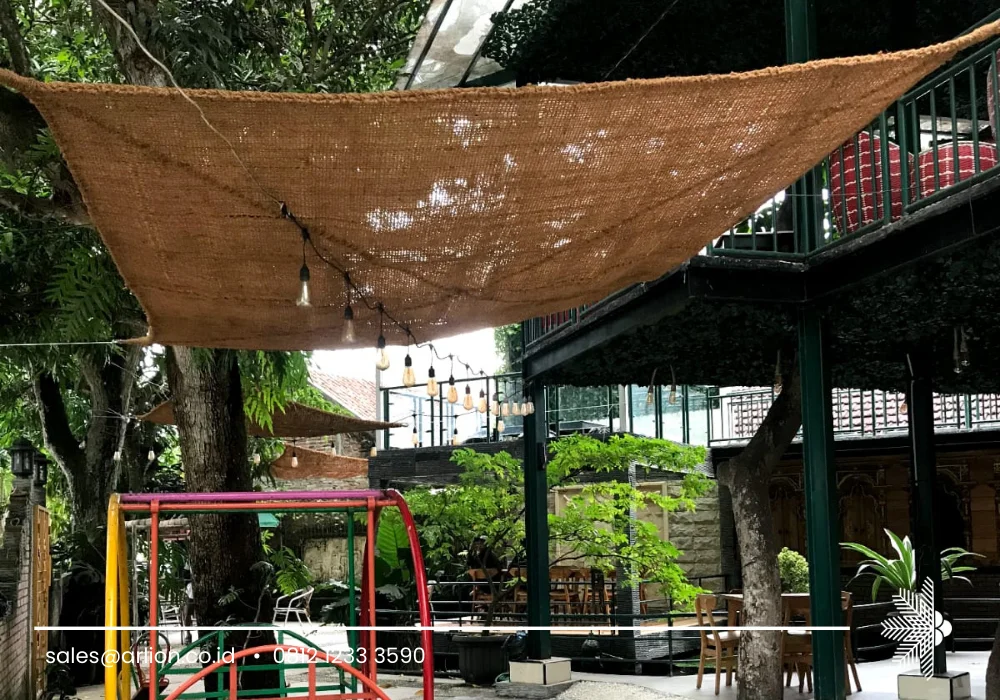
In recent years, hospitality media has reported a shift in how restaurants approach outdoor and semi-outdoor spaces. The coconut shades restaurant model reflects a broader movement toward blending local materials, climate-responsive design, and experiential dining, especially in coastal and tropical destinations.
The Background Behind the Design Movement
The growing interest in natural shading systems cannot be separated from changing consumer preferences. Diners are no longer focused solely on food quality; they also value ambiance, sustainability, and authenticity. Industry observers note that restaurants adopting coconut-based shade installations often aim to create a relaxed, nature-inspired atmosphere that aligns with modern eco-conscious lifestyles.
Architectural journalists point out that coconut fiber, wood, and leaf-based materials have long been used in traditional settings. What is new is their adaptation into contemporary restaurant design, supported by improved processing techniques and safety standards. This evolution has helped push the coconut shades restaurant concept into mainstream hospitality coverage.
Sustainability and Material Innovation
Natural Materials in Commercial Spaces
From a sustainability perspective, coconut-derived materials are frequently cited as renewable and biodegradable. News reports emphasize that using agricultural by-products supports circular economy principles while reducing reliance on synthetic components. Restaurants that integrate these materials often highlight their commitment to environmentally responsible practices.
Design analysts also mention that coconut-based shades offer functional benefits. They provide filtered sunlight, improved airflow, and a softer visual tone compared to metal or plastic alternatives. These features contribute to guest comfort, particularly in warm climates.
Industry Standards and Quality Control
As demand grows, suppliers and installers are responding with better quality assurance. Hospitality news outlets have reported on the development of standardized treatments that improve durability, resistance to moisture, and fire safety. Such advancements help ensure that coconut-inspired shading solutions meet commercial regulations without sacrificing their natural appeal.
Impact on Restaurant Branding and Experience
Enhancing Visual Identity
Branding experts often highlight how physical space reinforces a restaurant’s identity. The coconut shades restaurant approach is frequently associated with beachside cafés, resort dining, and destination eateries aiming to communicate relaxation and authenticity. Visual storytelling through design has become a powerful marketing tool, especially in the era of social media.
Photos of naturally shaded dining areas tend to perform well online, attracting travelers and local customers alike. This visibility has contributed to increased media coverage and interest from restaurateurs seeking differentiation.
Customer Perception and Comfort
Hospitality surveys referenced in news articles suggest that diners perceive natural shading as warmer and more inviting. Unlike rigid structures, coconut-based shades create organic patterns of light and shadow, enhancing the sensory experience. This atmosphere can encourage longer stays and repeat visits.
Industry commentators also note that such environments align well with wellness-oriented dining trends, where calm, open-air settings are seen as part of a holistic lifestyle.
Regional Growth and Global Adoption
Popularity in Tropical and Coastal Areas
Unsurprisingly, tropical regions have been early adopters of coconut-inspired shading systems. Reports from Southeast Asia, the Pacific, and parts of the Caribbean describe a steady rise in restaurants embracing these materials as part of their cultural and environmental identity.
However, coverage now shows that the concept is expanding beyond traditional regions. Designers in urban and temperate locations are experimenting with coconut-based elements to introduce a natural contrast within modern cityscapes.
Challenges and Adaptation
Despite its appeal, the coconut shades restaurant model is not without challenges. Media analyses point to maintenance requirements, sourcing consistency, and the need for skilled installation. Restaurants must balance aesthetic goals with operational practicality.
To address these issues, collaborations between designers, material suppliers, and hospitality groups are becoming more common. Such partnerships aim to adapt natural shading solutions to diverse climates and regulatory environments.
Economic and Community Considerations
Supporting Local Supply Chains
Another aspect frequently highlighted in news reporting is the economic impact on local communities. Coconut-based materials are often sourced from agricultural regions, providing additional income streams for farmers and small producers. This connection strengthens the narrative of ethical sourcing and community engagement.
Restaurants that emphasize these connections often gain positive media attention for supporting local economies while offering distinctive dining environments.
Market Outlook
Looking ahead, industry forecasts suggest continued growth in demand for natural and sustainable restaurant design elements. As consumers become more environmentally aware, concepts like the coconut shades restaurant are expected to remain relevant and adaptable.
Hospitality analysts predict that innovation will focus on combining traditional materials with modern engineering to enhance longevity and versatility.
Conclusion
The rise of coconut shades restaurant design reflects a broader transformation within the global hospitality industry. Driven by sustainability goals, aesthetic preferences, and experiential dining trends, this approach has captured the attention of designers, restaurateurs, and media alike. While challenges remain, ongoing innovation and collaboration are positioning coconut-based shading as a viable and attractive option for restaurants seeking to stand out in an increasingly competitive market.
For further information, you may contact WhatsApp at (+62) 812-1233-3590 or via email at sales@arlion.co.id.