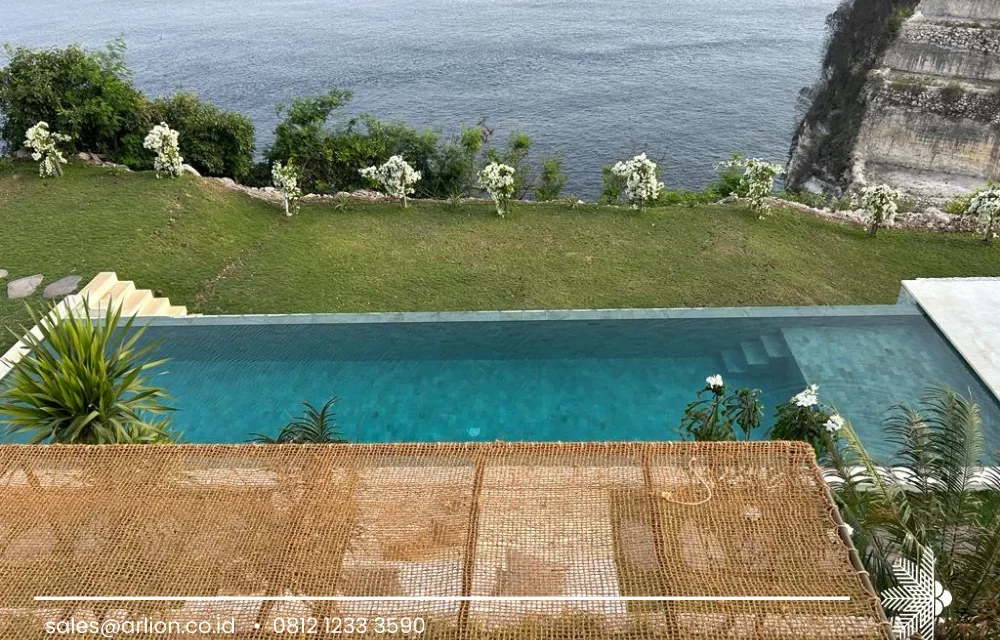
Coir fiber outdoor structure solutions are becoming increasingly popular among architects, environmental engineers, and landscape designers looking for eco-friendly and sustainable construction alternatives. Derived from the fibrous husk of coconuts, coir fiber has emerged as a durable, renewable, and biodegradable material suitable for outdoor applications. As green infrastructure and environmental preservation gain momentum globally, coir fiber is proving to be a key material in building and maintaining outdoor structures that are both functional and environmentally responsible.
What is a Coir Fiber Outdoor Structure?
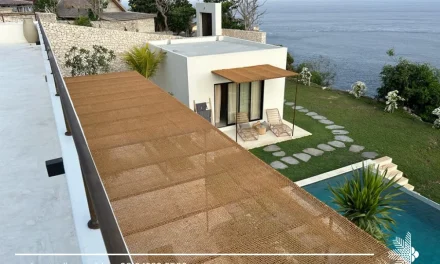
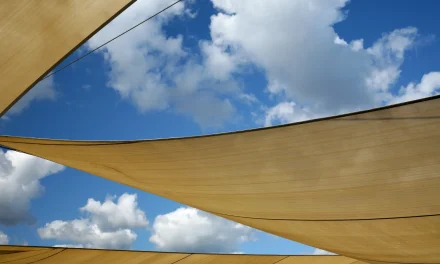
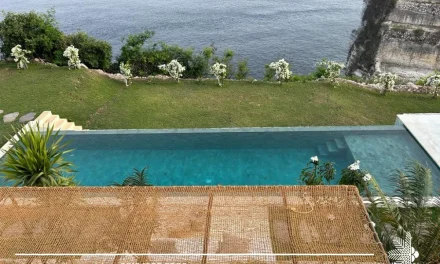
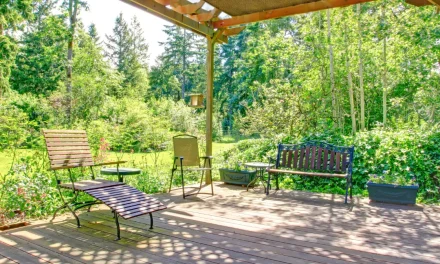
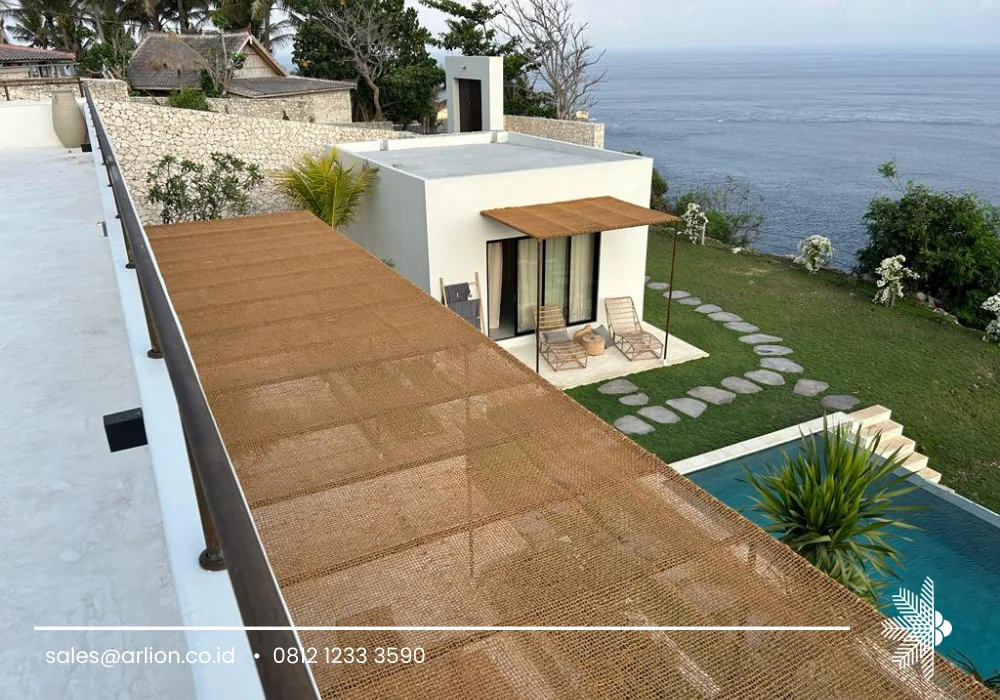
A coir fiber outdoor structure is any construction or installation used in external environments—such as parks, gardens, riverbanks, trails, and agricultural fields—made primarily from processed coconut coir. This could include erosion control mats, fences, retaining walls, planters, gabions, or even pergola shading systems supported by coir rope and panels.
The use of coir fiber in outdoor settings has grown significantly due to its unique physical properties. It is strong, resistant to saltwater, and retains its structure even after long exposure to moisture. These characteristics make it particularly well-suited for outdoor use in both urban and rural environments.
Benefits of Using Coir Fiber for Outdoor Structures
Using coir fiber outdoor structure components provides several advantages, both from an environmental and functional perspective. Here are some of the key benefits:
1. Eco-Friendly and Biodegradable
Coir fiber is a natural byproduct of the coconut industry. Rather than allowing the husk to become waste, manufacturers process it into a usable material. Coir naturally decomposes after years of use, reducing the long-term impact on the environment and eliminating the need for plastic-based alternatives.
2. Durable in Harsh Environments
Unlike synthetic fibers that can degrade under UV radiation or salty conditions, coir fiber withstands these challenges effectively. This makes it ideal for coastal areas, flood-prone zones, and arid regions.
3. Promotes Vegetation Growth
Coir fiber structures such as mesh mats and geotextiles allow vegetation to grow through their pores. This helps stabilize soil, control erosion, and create a greener, more sustainable landscape.
4. Versatile Applications
From embankment stabilization and slope protection to decorative fencing and shade structures, coir fiber can be shaped and treated for diverse uses in outdoor architectural and landscaping projects.
Applications of Coir Fiber in Outdoor Projects
The versatility of coir fiber outdoor structure designs has expanded across various sectors. Some of the most common applications include:
Erosion Control Systems
Coir logs, netting, and blankets are widely used to prevent soil erosion on slopes, riverbanks, and construction sites. These structures absorb water runoff and support the growth of native vegetation, reducing long-term environmental damage.
Landscaping Features
Coir panels and ropes are increasingly being used for vertical gardens, trellises, pergolas, and decorative partitions in eco-resorts, urban parks, and private gardens. These installations not only add aesthetic value but also highlight sustainability.
Agricultural Infrastructure
Farmers use coir pith blocks and slabs as planting media in greenhouses or open fields. In addition, coir netting can support climbing plants or prevent soil displacement on farms, particularly in hilly terrains.
Infrastructure Support
Coir-based gabions and retaining walls provide structural support to roads, embankments, and dams while blending naturally into the landscape. Their natural texture makes them ideal for eco-tourism areas or conservation zones.
Production and Customization
Coir fiber structures are manufactured through processes such as retting, decorticating, spinning, and weaving. The final products can be customized in terms of thickness, mesh size, density, and shape according to project needs.
Indonesian manufacturers are among the world’s leading producers of high-quality coir products, exporting to markets in Europe, Asia, the Middle East, and the Americas. Their ability to provide custom-sized and pre-treated fiber ensures the adaptability of coir in various outdoor structure designs.
Challenges and Considerations
Despite its many advantages, using coir fiber outdoor structure materials also comes with considerations:
- Limited lifespan: Although durable, coir fiber is not permanent and will biodegrade over time.
- Moisture management: Coir absorbs water; in high-rainfall regions, proper drainage design is crucial.
- Supply chain consistency: As a natural product, quality may vary between batches if not sourced from reputable suppliers.
Nonetheless, these challenges are manageable with proper planning and supplier coordination.
The Future of Coir Fiber in Sustainable Design
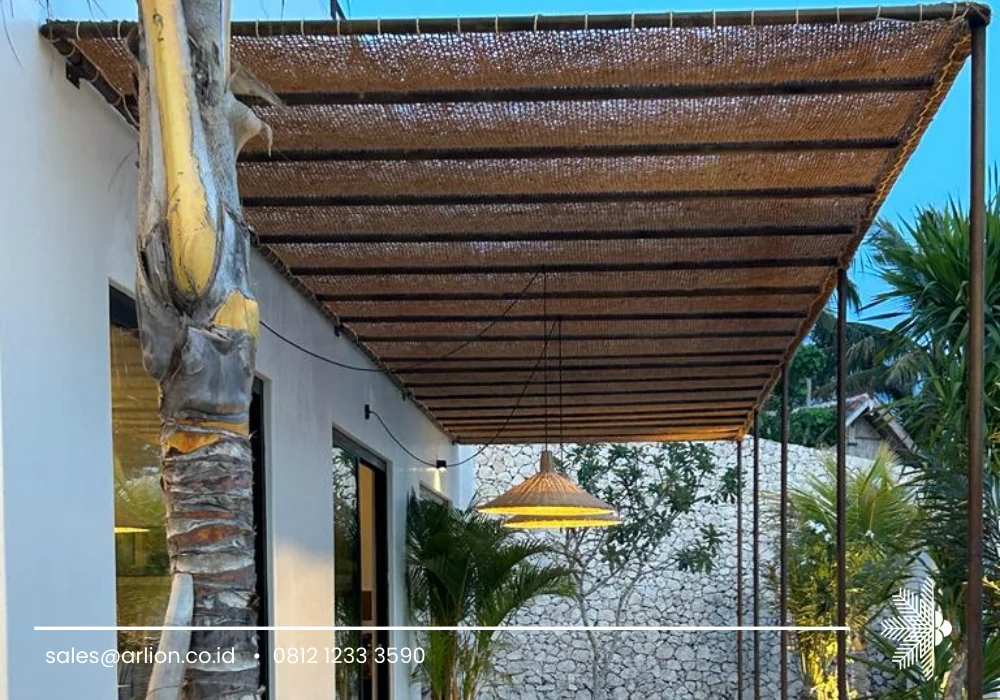
The rise of green architecture and sustainable landscaping continues to drive demand for renewable materials like coir fiber. As governments and industries seek alternatives to plastic and concrete, the role of coir fiber in outdoor structures is expected to grow even further.
Research into improving the longevity and treatment of coir is also underway, making the material even more competitive in the global construction and landscaping markets.
Conclusion
Coir fiber outdoor structure components offer an ideal balance between sustainability, functionality, and aesthetics. Whether it’s for erosion control, decorative landscaping, or agricultural support, coir fiber proves to be an invaluable material that aligns with eco-conscious development goals.
For builders, designers, and environmentalists seeking effective and green outdoor solutions, coir fiber presents a compelling case. Its natural origin, wide applicability, and environmental benefits make it a smart choice for modern outdoor infrastructure.
For more information, feel free to contact us via WhatsApp at (+62) 812-1233-3590 or by email at sales@arlion.co.id.