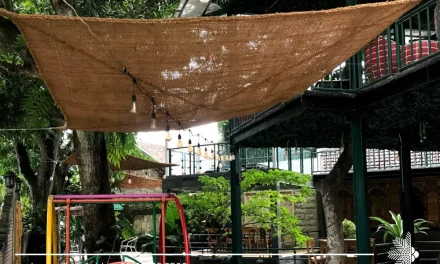
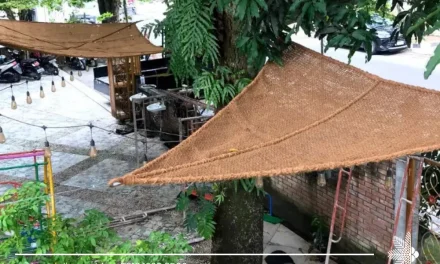
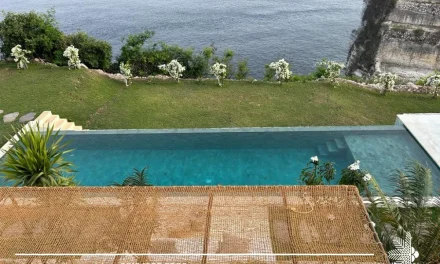
Many people are drawn to the aesthetic and eco-friendly appeal of a coir pergola cover, but often face challenges in installation, maintenance, and weather resistance. Made from coconut husk fiber, coir offers a sustainable and breathable alternative to synthetic pergola coverings. However, despite its natural charm, using coir properly requires understanding how to overcome common limitations. This article presents a practical, problem-solving approach to help you install, protect, and get the most out of your coir pergola cover.

Understanding the Pros and Cons of Coir Pergola Covers
The Natural Beauty and Challenges of Coir
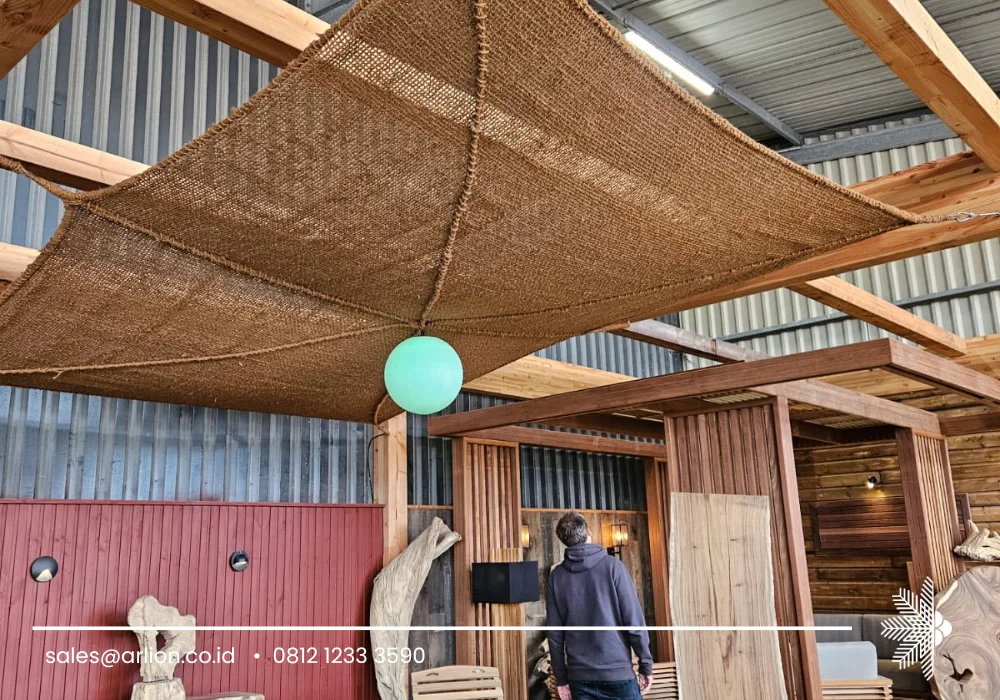
Coir is known for its strength, biodegradability, and rustic appearance. When woven into a pergola cover, it provides a shaded retreat that blends harmoniously with gardens, patios, and eco-inspired spaces. A coir pergola cover is breathable, making it ideal for hot and humid environments as it allows for good airflow.
However, users often face challenges such as:
- Fast deterioration due to prolonged rain or sun exposure
- Difficulty securing the cover to prevent sagging or tearing
- Lack of knowledge in enhancing shade effectiveness
- Confusion about cleaning and maintaining the coir material
Without proper handling, the cover may wear out quickly or fail to function as expected.
Step-by-Step Solutions for Using Coir Pergola Covers
Step 1: Choose the Right Location
The performance and lifespan of your coir pergola cover depend heavily on where it’s installed. Coir can absorb water and degrade faster in constant wet conditions.
Solution:
- Install the pergola in semi-shaded areas to reduce direct rain exposure.
- Use a sloped roof structure or clear waterproof sheet underneath the coir to protect it from heavy downpours.
- In open spaces, avoid placing the pergola directly under trees that drop heavy debris.
Step 2: Reinforce Your Structure
Coir is lightweight and flexible, but this also means it needs proper support to remain taut and aesthetically pleasing.
Solution:
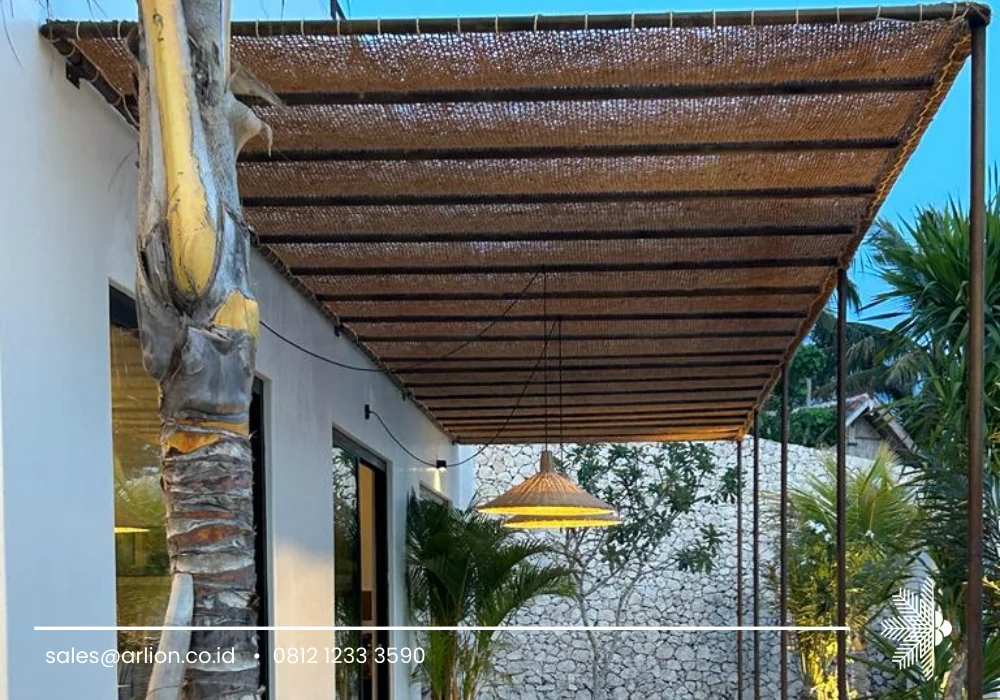
- Use a sturdy frame made of metal or treated wood.
- Install horizontal support beams or wire mesh underneath the coir layer to prevent sagging.
- Tie the coir with weatherproof cable ties or natural rope that can withstand tension.
Adding this reinforcement will make the structure resilient to wind and allow the cover to maintain its form over time.
Step 3: Maximize Shade and Comfort
Although coir allows airflow, it may not provide complete sun protection depending on its weave density.
Solution:
- Layer two coir sheets with spacing between them to trap heat and improve shade.
- Combine with side shades such as bamboo blinds or fabric curtains for added sun control.
- Decorate with hanging plants that enhance cooling and add to the organic vibe.
Step 4: Protect Coir from the Elements
Exposure to UV rays and moisture can break down coir fibers faster than expected.
Solution:
- Apply a UV-resistant oil or natural sealant to the coir to preserve its elasticity and color.
- During extreme weather (heavy rain or storms), remove or roll up the cover if possible.
- Ensure proper drainage to avoid water pooling on the cover.
A little prevention goes a long way in extending the life of your coir pergola cover.
How to Maintain a Coir Pergola Cover
Monthly Maintenance Checklist
- Check ties and tension regularly to avoid sagging.
- Clean with a soft brush or vacuum to remove leaves and dust.
- Inspect for mold or insects, especially in humid climates.
Seasonal Tips
- Dry the coir thoroughly after rain before storing or covering it.
- Reapply protective coating every 3–6 months depending on sun exposure.
- In windy seasons, consider temporary removal to prevent tearing.
Replacement Planning
A well-maintained coir pergola cover can last 2–3 years. Have a replacement plan in place, especially if used in harsh outdoor environments.
Best Uses and Limitations of Coir Pergola Covers
Ideal Uses
- Outdoor cafés or patios with tropical or rustic themes
- Poolside pergolas that benefit from breathable materials
- Rooftop lounges in mild climates
- Eco-resorts or private gardens where natural aesthetics are key
These spaces can highlight the beauty of coir while reducing its exposure to damaging conditions.
When to Avoid
- Areas with constant heavy rainfall or snowfall
- Locations with high wind speeds and no support reinforcement
- Fully enclosed spaces with no airflow (risk of mold buildup)
If used in such environments, additional protection and adjustments are necessary.
Conclusion
A coir pergola cover can be a sustainable and stylish addition to any outdoor space when used correctly. While it offers natural charm and breathability, its performance depends on proper installation, regular maintenance, and thoughtful protection from the elements. By addressing common issues early and following the solutions outlined above, you can enjoy a durable and beautiful pergola setup that complements your environment.
If you need assistance with installing or sourcing a high-quality coir pergola cover, feel free to contact us via WhatsApp or email sales@arlion.co.id. Our team is ready to help you create eco-friendly and effective outdoor solutions tailored to your needs.