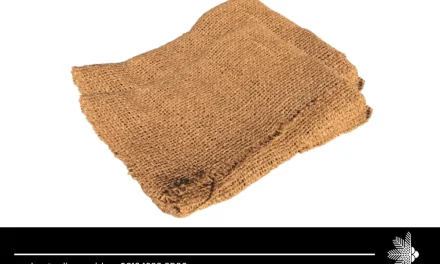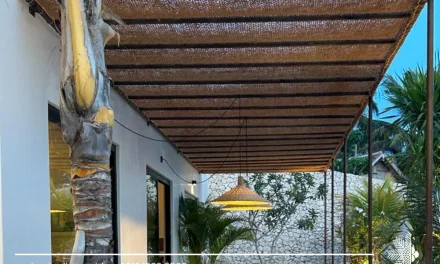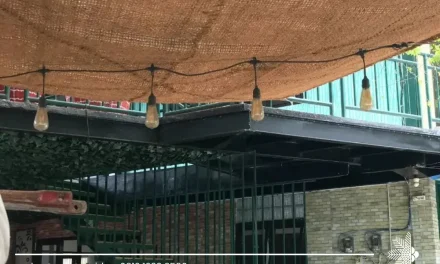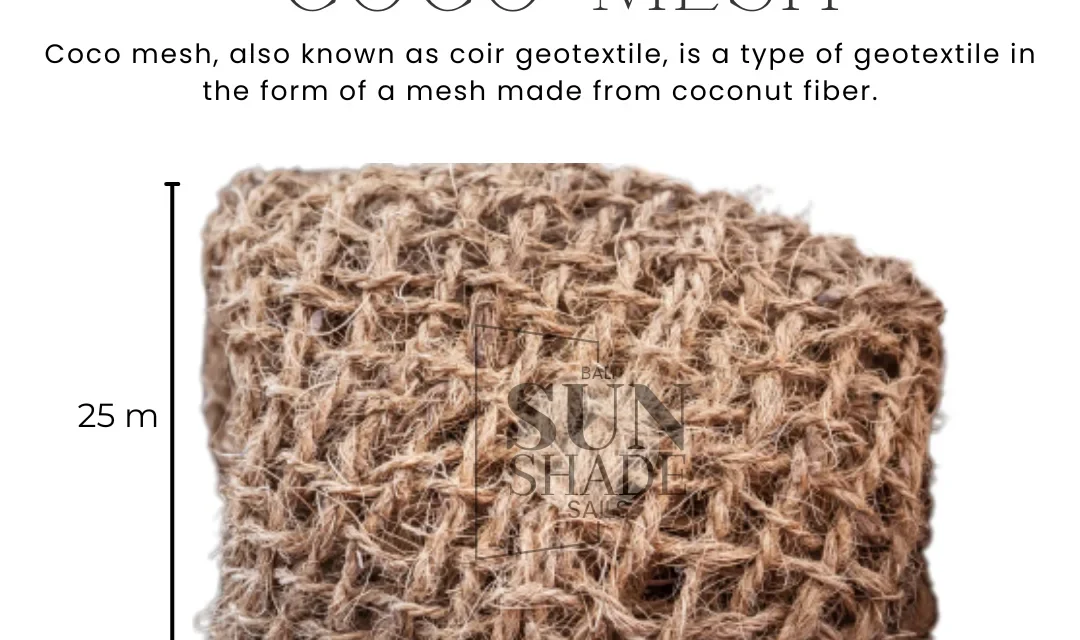
Geotextile for Gardening made from coco fiber is gaining attention as gardeners and landscaping businesses look for more natural materials for soil protection and erosion control. Coconut fiber, also known as coir, is a renewable material obtained from coconut husks and has long been used for products such as mats, ropes, brushes, and growing media. Its strength and natural structure are now also being explored for applications in gardening and landscape management.
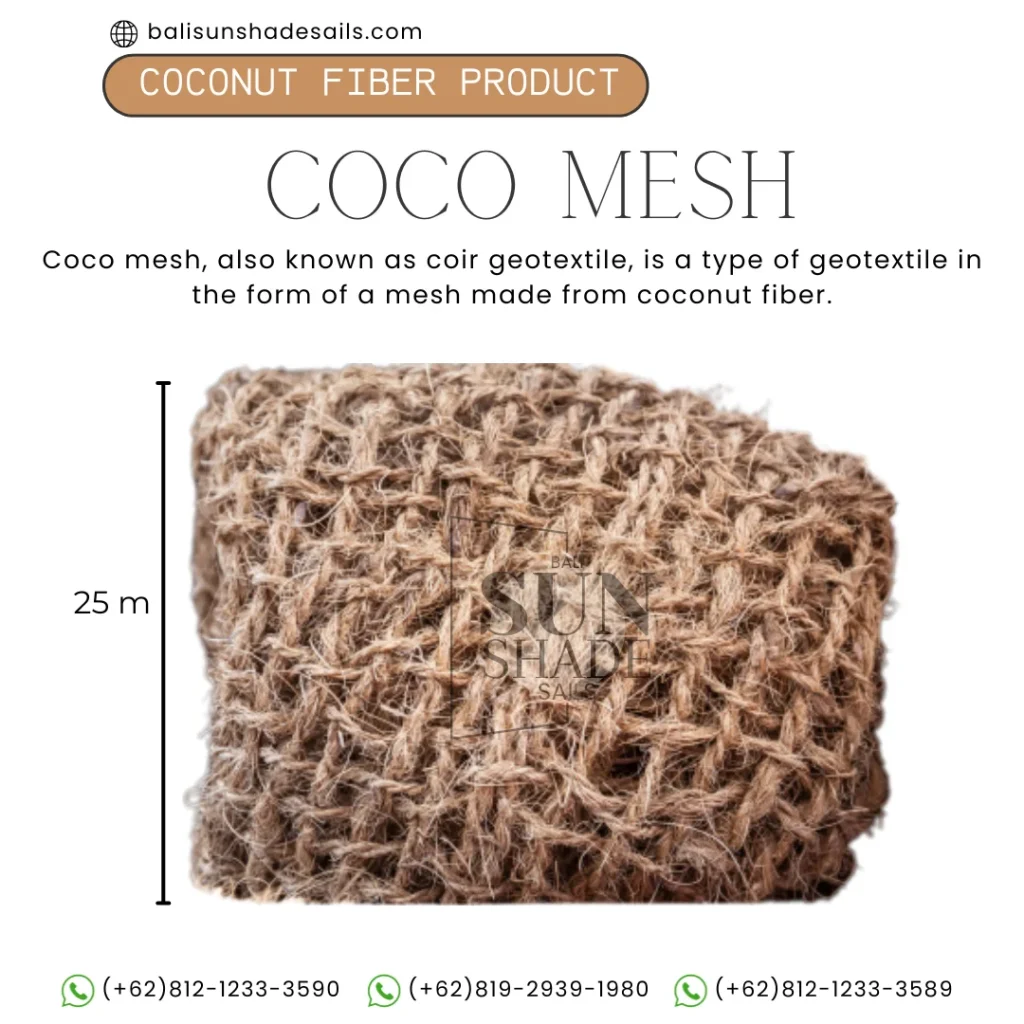
The growing Geotextile for Gardening interest comes as the gardening industry faces increasing demand for materials that can support soil management while reducing reliance on conventional synthetic products. In areas affected by heavy rain, exposed soil, slopes, or strong surface water flow, a natural fiber-based textile can provide temporary protection while vegetation becomes established.
For coconut-producing regions, the development of coir-based geotextiles also presents another opportunity. Coconut husks that might otherwise be treated as agricultural waste can be processed into products with higher economic value.
Coco Fiber as a Natural Geotextile Material
Coco fiber is extracted from the outer husk of coconuts. The fibers are known for their relatively high durability compared with several other natural fibers and can be processed into woven or net-like structures.
When manufactured into a geotextile, the fibers can form a layer over exposed soil. Depending on the design and application, this layer can help reduce the direct impact of rainfall and surface water on the soil.
Unlike synthetic materials, Geotextile for Gardening gradually breaks down under natural environmental conditions. This characteristic makes it particularly interesting for temporary applications where long-term biodegradability is an important consideration.
Using Coconut Waste for Added Value
The production of Geotextile for Gardening can also contribute to better utilization of coconut-processing residues. Coconut-producing communities generate large amounts of husk material, and converting part of this resource into useful products can create additional economic opportunities.
The process generally involves extracting and preparing the fibers before they are formed into the required textile or mesh structure. Product specifications can vary according to the intended application.
For manufacturers, fiber quality and processing methods are important factors. They can influence the strength, thickness, density, and expected service life of the finished material.
Supporting Soil and Erosion Control, Geotextile for Gardening
One of the most relevant applications of coco-fiber geotextiles is erosion management. Bare soil can be particularly vulnerable to erosion during periods of heavy rainfall.
Rainwater hitting exposed ground can loosen soil particles and carry them away. On sloping land, surface runoff can accelerate this process and create channels across the soil.
A coir-based textile can provide a protective layer over the surface. It helps reduce the direct force of rainfall and can slow the movement of water across the ground.
Helping Vegetation Become Established
Natural-fiber Geotextile for Gardening are often used in conjunction with vegetation. After installation, grass, groundcover, or other plants can grow through openings in the material.
As vegetation develops, the roots can help reinforce the soil naturally. Over time, the growing plants can take on a greater role in protecting the surface.
The coir material gradually decomposes, allowing the vegetation to become the primary long-term form of soil stabilization. This makes the approach particularly relevant for temporary erosion-control projects.
Applications in Gardens and Landscaping Geotextile for Gardening
The use of Geotextile for Gardening made from coco fiber is not limited to large landscaping projects. Smaller applications can include garden slopes, planting areas, pathways, nurseries, and areas where newly planted vegetation needs protection.
In landscaped gardens, coir mesh can be placed over exposed soil to help keep the surface in place during the early stages of plant establishment.
Suitable for Sloped Areas
Slopes are among the areas where erosion can become a significant challenge. Water moves faster on inclined surfaces, particularly when vegetation is limited.
A properly installed coir textile can help hold loose soil in place while plants establish their root systems. The material can also reduce the movement of mulch and other surface materials caused by rain.
However, the appropriate product depends on the slope, soil characteristics, rainfall conditions, and expected water flow. Heavier erosion problems may require additional engineering measures.
Moisture and Soil Protection
Geotextile for Gardening has a natural structure that can interact with moisture. When used as a surface layer, it can help create a more protected environment around the soil.
The textile can reduce direct exposure of the soil surface to sunlight and rainfall. In certain applications, this may help reduce rapid surface drying while also protecting the ground from heavy rainfall.
Supporting Newly Planted Areas
Newly planted gardens can be vulnerable because plants have not yet developed extensive root systems. During this stage, heavy rainfall can disturb the soil around young plants.
A coir mesh layer can provide temporary surface protection while allowing plants to grow through the material. The open structure of the mesh can also allow water and air to reach the soil.
As the plants mature, their roots gradually provide additional soil stability.
A Biodegradable Alternative for Temporary Projects
One of the major characteristics of Geotextile for Gardening is biodegradability. Unlike many synthetic geotextiles that can remain in the environment for a very long period, natural coir fibers gradually decompose.
This makes them suitable for projects where the material is intended to provide support only during the early stages of vegetation growth.
The actual decomposition period depends on factors such as fiber quality, moisture, temperature, soil conditions, and product density. Therefore, users should select the product based on the expected duration of the application.
Installation Requires Proper Preparation
Although coir geotextiles are relatively straightforward to install, preparation remains important. The soil surface should generally be cleared of large debris and shaped according to the requirements of the site.
The textile is then placed over the target area and secured using appropriate pins, stakes, or other anchoring methods.
Avoiding Gaps and Loose Sections
Proper contact with the soil is important. Loose sections can move during heavy rain, reducing the effectiveness of the material, Geotextile for Gardening.
Overlapping sections may also be necessary when covering larger areas. The exact installation method depends on the product design and site conditions.
For areas with significant water flow or steep slopes, professional assessment may be appropriate before installation.
Growing Interest in Sustainable Landscaping
The shift toward sustainable landscaping is creating new opportunities for natural materials such as coco fiber. Consumers, gardeners, and landscape professionals are increasingly interested in solutions that combine practical performance with renewable resources.
Coir-based products can contribute to this approach by making use of a material derived from agricultural production.
Opportunities for Coconut-Producing Regions
For countries with significant coconut production, coir geotextiles represent more than a landscaping product. They can become part of a broader value-added industry based on coconut residues.
Processing facilities can turn husks into fibers and then manufacture them into products for domestic and international markets. This can create additional opportunities across collection, processing, manufacturing, packaging, and distribution.
The development of consistent quality standards will remain important as the market grows.
Conclusion
Geotextile for Gardening made from coco fiber offers a natural approach to soil protection, erosion control, and landscape management. Its strength, open structure, and biodegradable characteristics make it suitable for applications where temporary surface protection is needed while vegetation becomes established.
The material can be used in gardens, slopes, nurseries, landscaping projects, and other areas where exposed soil requires additional protection. Its effectiveness depends on appropriate product selection, site preparation, installation, and environmental conditions.
Beyond gardening, the growing use of coir geotextiles also demonstrates how coconut husks can be transformed from agricultural residue into value-added products. As interest in sustainable landscaping continues to grow, natural-fiber solutions may find wider applications in soil and vegetation management.
For more information Geotextile for Gardening, contact us via WhatsApp (+62) 812-1233-3590 or by email at sales@arlion.co.id.