Growing Interest in Natural and Renewable Materials
Coir umbrella products are attracting interest as designers, manufacturers, and outdoor businesses explore ways to incorporate natural fibers into practical and decorative products. Coir, derived from the outer husk of coconuts, is widely used in applications such as mats, brushes, ropes, erosion-control materials, and horticultural products. Its durability and distinctive natural texture have also created opportunities for innovative designs that combine traditional materials with contemporary outdoor and commercial needs.

As sustainability becomes a consideration in product development, coconut fiber offers an alternative to some conventional materials, depending on the intended application. However, its suitability for umbrella-related products depends on the design, construction, weather exposure, and performance requirements. Whether used as a decorative covering, a component in a specialized outdoor structure, or a design feature for resorts and themed spaces, coir requires appropriate processing and maintenance to achieve reliable results.
Understanding Coir and Its Properties Coir umbrella
Coir is a natural fiber obtained from coconut husks, which surround the hard shell of the coconut. The husks are processed to separate the fibers from the pith and other material. Depending on the intended use, the fibers may be cleaned, dried, graded, spun, woven, or formed into different products, Coir umbrella.
The material is valued for its relatively coarse texture, resilience, and suitability for several applications where strength and a natural appearance are desirable. Coir fibers also contain lignin, a component that contributes to their structural characteristics. These properties help explain why coconut fiber has long been used in products exposed to regular handling and physical wear.
Nevertheless, natural fibers Coir umbrella behave differently from synthetic fabrics and engineered coverings. Moisture, sunlight, biological growth, and repeated exposure to changing weather conditions can affect their appearance and service life. Product designers therefore need to evaluate coir according to its intended function rather than assume that all coconut fiber products offer the same performance.
How Coconut Fiber Is Processed
Processing methods influence the consistency and quality of Coir umbrella. After the fibers are extracted, they may undergo washing, drying, and grading to remove unwanted material and prepare them for manufacturing, Coir umbrella.
The selected fiber Coir umbrella grade depends on the product’s requirements. Coarser fibers may be appropriate for structural or decorative applications, while finer fibers can be more suitable for woven surfaces and detailed finishing. Manufacturers also need to consider how the fibers will be attached to a frame or supporting structure.
For outdoor products, suitable construction is essential. A natural covering must be securely fixed and designed to withstand the conditions expected during use.
Potential Applications in Outdoor Design
Resort and Hospitality Settings
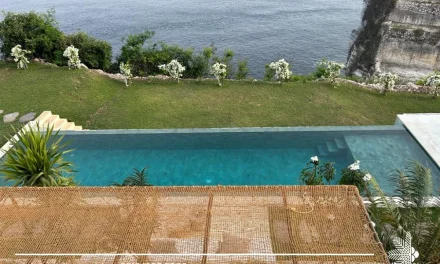
Outdoor hospitality businesses often seek distinctive design elements that create a memorable atmosphere. Natural textures can complement tropical gardens, beachside properties, eco-inspired resorts, restaurants, and outdoor relaxation areas.
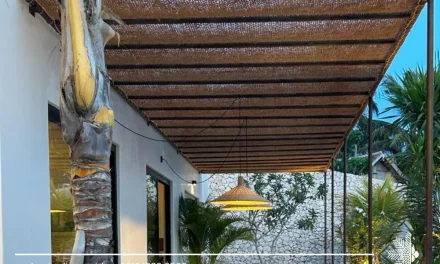
A coconut-fiber umbrella concept may be considered for decorative installations or specially designed shaded spaces. Its appearance can suit settings where natural materials are part of the overall design theme. However, a decorative installation should not automatically be treated as a functional sunshade or rain shelter without appropriate performance testing.
Hotels and resorts considering this type of product should assess guest safety, structural stability, maintenance requirements, and local weather conditions before installation.
Garden and Landscape Projects
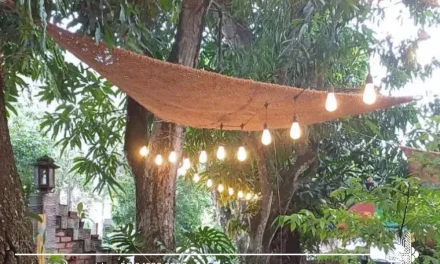
Landscape designers regularly combine natural materials with plants, wood, stone, and other outdoor features to create visually consistent environments. Coir-based products can contribute a rustic or tropical appearance that works well in selected garden designs.
In an umbrella-style structure, coir may be incorporated as a decorative element or as part of a purpose-built covering. The final design should account for weight, drainage, airflow, and how the material behaves when exposed to rain.
Designers should also consider whether the material can be cleaned, repaired, or replaced efficiently. These practical details can influence long-term maintenance costs.
Commercial Displays and Themed Installations
Retail businesses, event organizers, and hospitality operators may use natural-fiber structures in themed displays, exhibitions, and promotional environments. A coir-based umbrella design can help establish a tropical, coastal, or environmentally inspired visual identity, Coir umbrella.
In temporary installations, the product may be used primarily for decoration rather than weather protection. Clearly defining its purpose helps determine the appropriate materials, construction methods, and safety measures.
Design and Construction Considerations
Choosing the Right Frame
The supporting frame is a key element in any umbrella structure. Depending on the design, manufacturers may consider treated wood, metal, or other materials capable of supporting the covering under expected conditions.
The frame must be compatible with the weight and attachment requirements of the coir component. Engineers or qualified manufacturers should assess stability, wind exposure, anchoring, and the potential for movement or collapse,Coir umbrella.
Outdoor structures should not be used during severe weather unless they have been specifically designed and rated for those conditions. Lightweight decorative structures can be particularly vulnerable to strong winds.
Covering Design and Water Management
The construction of the covering affects how the product performs outdoors. A woven natural-fiber surface may allow some air and water to pass through, while a denser design may retain more moisture. Neither characteristic should be assumed without evaluating the finished product, Coir umbrella.
If the structure is intended to provide shade, manufacturers should assess the covering’s ability to reduce sunlight exposure. If rain protection is required, additional design features or a different waterproof layer may be necessary.
A coir covering alone should not be marketed as waterproof unless suitable testing supports that claim. Product descriptions should distinguish decorative use from verified weather-protection performance.
Combining Coir with Other Materials
Some designs may combine coconut fiber with treated fabrics, waterproof membranes, or other materials to improve particular characteristics. Such combinations can provide greater design flexibility, but they may also complicate recycling, repair, and end-of-life disposal.
Manufacturers should evaluate material compatibility, attachment methods, and exposure to moisture. They should also consider whether different components can be separated for maintenance or replacement.
Durability and Maintenance Requirements
Natural-fiber products generally require maintenance appropriate to their exposure and construction. Coir umbrella used outdoors may become damp after rainfall, and prolonged moisture retention can contribute to deterioration or unwanted biological growth.
Regular inspection can help identify loose fibers, damaged attachment points, corrosion on metal components, and signs of structural instability. Cleaning procedures should follow the manufacturer’s recommendations to avoid damaging the fibers or supporting frame.
Where possible, products should be allowed to dry adequately after getting wet. Covered storage during extended periods of poor weather may help preserve the material, depending on the product design.
Maintenance planning is particularly important for commercial installations. Resorts, restaurants, and event venues should establish inspection schedules and replace damaged components before they create a safety concern.
Sustainability and Responsible Material Sourcing
The use of coconut fiber can support the utilization of agricultural by-products. Coconut husks generated during coconut processing may be converted into useful materials rather than discarded. This creates potential opportunities for manufacturers and suppliers working with natural fibers.
However, a product made from renewable material is not automatically sustainable in every respect. Its environmental impact also depends on processing energy, transportation, chemical treatments, product lifespan, repairability, and disposal options.
Responsible sourcing can help businesses understand where the raw materials originate and how they are processed. Suppliers should provide accurate information about fiber content, treatments, and product specifications. Environmental claims should be supported by evidence rather than based solely on the presence of natural fibers.
Market Opportunities for Manufacturers, Coir umbrella
The growing interest in nature-inspired design offers potential opportunities for suppliers serving hospitality businesses, landscape contractors, event organizers, and specialty retailers. Buyers may seek custom dimensions, different fiber textures, decorative finishes, or products designed for specific environments.
For manufacturers, success depends on balancing appearance with performance, safety, and cost. Clear specifications, sample evaluation, and communication about intended use can help buyers select products suited to their projects,Coir umbrella.
Before ordering in bulk, commercial customers should review construction details, maintenance requirements, expected service conditions, and available quality documentation. Prototypes and small-scale trials can help identify design issues before larger installations are completed.
Conclusion
Coir umbrella designs offer an opportunity to incorporate coconut fiber into distinctive outdoor products and decorative installations. The material’s natural texture and renewable origin can appeal to businesses seeking tropical or nature-inspired aesthetics. However, practical performance depends on the quality of the fiber, construction methods, supporting frame, weather exposure, and ongoing maintenance.
As manufacturers explore new uses for agricultural by-products, coir can provide a useful design option when its limitations are understood. Careful product development, responsible sourcing, and appropriate safety testing are essential to achieving reliable results.
For more information about natural-fiber materials Coir umbrella and available product options, contact Arlion via WhatsApp at (+62) 812-1233-3590 or email sales@arlion.co.id.