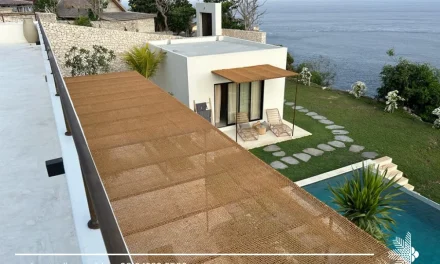
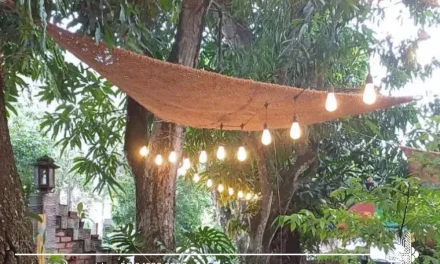
Heavy duty coir sunshade products are attracting attention as property owners, landscape designers, and agricultural businesses explore natural materials for outdoor shading and environmental design. Made from coconut husk fibers, coir-based shade products offer a distinctive appearance and can be used in selected garden, agricultural, and commercial settings. Growing interest in renewable raw materials has also encouraged manufacturers to develop durable fiber-based solutions that combine practical functionality with a natural aesthetic.
Growing Demand for Natural Shade Materials
Why Outdoor Shading Matters
Outdoor shading plays an important role in residential gardens, hospitality venues, agricultural facilities, and landscaped public spaces. Exposure to intense sunlight can increase surface temperatures, affect plant growth, and reduce comfort in areas used by people. Selecting suitable shading materials can help manage these conditions while supporting the intended appearance and function of a space.
Conventional shade products are often made from synthetic fabrics, plastic mesh, or metal structures. These materials can provide useful performance, but some buyers are also interested in natural fibers because of their texture, renewable origin, and potential compatibility with environmentally conscious design.
A heavy duty coir sunshade can be considered for projects where a natural finish is desirable alongside practical shading. Its suitability depends on the construction method, fiber quality, installation design, and exposure to local weather conditions. Buyers should evaluate these factors before deciding whether coir is appropriate for a particular application, Heavy duty coir sunshade.
Understanding Coir Fiber
Coir is extracted from the fibrous husk surrounding a coconut. The material is widely used in products such as ropes, mats, brushes, erosion-control textiles, and horticultural materials. Its relatively coarse fibers provide a recognizable natural texture that distinguishes coir products from smoother synthetic alternatives.
The properties of coir depend on the maturity of the coconut, fiber extraction, cleaning, drying, and subsequent manufacturing processes. Fiber length, strength, moisture content, and construction density can influence the durability and performance of the finished product.
Manufacturers may weave, twist, bind, or otherwise arrange coir fibers to create products suited to specific uses. For shade applications, the spacing between fibers is especially important because it affects how much sunlight and air can pass through the material.
Design and Construction Features, Heavy duty coir sunshade
Strength and Structural Support
The term heavy duty generally suggests that a product is intended for demanding use or a more robust construction than a lightweight alternative. However, the description alone does not establish a specific load capacity, service life, or resistance to severe weather. Buyers should request technical information from the manufacturer to understand the actual performance limits.
The strength of a coir shade structure depends on several connected elements, including fiber quality, weaving density, joining methods, edge reinforcement, and attachment points. A strong textile may still fail if it is attached to weak supports or installed with unsuitable fasteners, Heavy duty coir sunshade.
For larger installations, the supporting framework should be designed to withstand expected environmental loads. Wind can place considerable stress on outdoor shade structures, particularly when the material presents a large surface area. Professional assessment may be necessary for permanent or exposed installations.
Managing Sunlight and Airflow
Shade materials work by reducing the amount of direct sunlight reaching a protected area. The level of shading depends on the density, thickness, color, and arrangement of the fibers. More tightly constructed material may provide greater shade but can also reduce airflow and increase wind resistance.
A heavy duty coir sunshade may appeal to designers who want a textured, rustic finish for patios, pergolas, garden seating areas, or selected landscape features. Before installation, users should consider the direction of sunlight, seasonal changes, ventilation needs, and the intended use of the shaded space, Heavy duty coir sunshade.
For agricultural applications, the required shading level will depend on the crop and its growth stage. Excessive shade can limit photosynthesis, while insufficient shade may fail to protect sensitive plants from intense sunlight. Testing the material under local conditions can help determine whether its light transmission is suitable.
Applications Across Different Sectors
Residential Gardens and Hospitality
Natural-fiber shade products can complement outdoor spaces that emphasize organic materials and landscape design. Homeowners may use coir-based materials in selected garden structures, outdoor seating areas, or decorative installations where their natural appearance fits the surrounding environment.
Hotels, cafés, resorts, and outdoor dining venues may also consider natural materials when developing a consistent design theme. Coir’s earthy texture can work alongside timber, stone, bamboo, and other landscape elements, Heavy duty coir sunshade.
Nevertheless, product selection should consider maintenance requirements and expected exposure. Outdoor materials that experience frequent rain, strong sunlight, or persistent humidity may deteriorate differently from products installed in sheltered areas.
Agriculture and Landscape Projects
In agriculture, shade structures are sometimes used to manage sunlight exposure for nursery plants, young crops, or other sensitive vegetation. Coir-based products may be considered where their shading characteristics and construction meet the needs of the operation.
Landscape contractors may also evaluate natural-fiber materials for temporary structures or decorative installations. In projects involving slopes or exposed soil, coir textiles designed specifically for erosion control may provide a different function from shade products. These applications should not be treated as interchangeable without checking the manufacturer’s specifications, Heavy duty coir sunshade.
A suitable heavy duty coir sunshade should be selected according to the project requirements rather than appearance alone. Buyers need to establish whether the material is designed for overhead use, vertical screening, agricultural protection, or another specific purpose.
Durability and Maintenance Considerations
Weather Exposure and Moisture
Natural fibers can respond to moisture and environmental exposure differently from synthetic materials. Repeated wetting, slow drying, prolonged humidity, and direct sunlight may contribute to deterioration over time. The actual rate depends on the quality of the fibers, manufacturing process, installation, and local climate.
Heavy duty coir sunshade, Good drainage and airflow can help prevent persistent moisture accumulation. Where possible, the structure should be installed so that water does not remain trapped in folds or collect around attachment points. Regular inspections can identify fraying, loose connections, discoloration, or other signs of damage.
In regions exposed to heavy rainfall or strong winds, users should ask suppliers about suitable installation conditions and recommended inspection intervals. Natural fiber products should not be assumed to withstand extreme weather simply because they are described as heavy duty.
Cleaning and Storage
Maintenance procedures depend on the product’s design and the manufacturer’s instructions. Light surface debris may be removed using an appropriate brush, while more intensive cleaning should be approached carefully to avoid damaging the fibers.
Heavy duty coir sunshade, If a removable shade product is not intended for permanent outdoor exposure, storing it in a dry, ventilated location when not in use may help extend its service life. Before storage, the material should be allowed to dry thoroughly to reduce the risk of mold and unpleasant odors.
Replacement planning is also important for commercial installations. Establishing a routine inspection schedule can help operators identify deterioration before it becomes a safety concern.
Sustainability and Responsible Sourcing
Making Use of Coconut Husk
Coir production creates opportunities to use a material derived from coconut processing. Turning coconut husk fibers into commercial products can support value-added manufacturing and create demand for materials that might otherwise be underused.
However, the environmental impact of a finished product depends on more than its natural origin. Fiber processing, washing, transportation, chemical treatments, packaging, and product lifespan can all influence its overall footprint. Responsible sourcing and efficient manufacturing therefore remain important considerations, Heavy duty coir sunshade.
Buyers should also distinguish between biodegradability and actual end-of-life conditions. Treatments, coatings, backing materials, and mixed-material components may affect whether a product can be composted or will break down naturally in a particular environment.
Supplier Transparency
Manufacturers and distributors can strengthen customer confidence by providing clear details about fiber composition, construction, intended use, maintenance, and expected limitations. Information about sourcing and processing can also help buyers compare products more accurately.
For large projects, requesting samples and technical specifications before placing a bulk order can reduce uncertainty. Buyers should assess the material’s consistency, dimensions, edge finishing, and suitability for the planned support system.
Market Outlook for Coir Shade Products
Interest in natural building and landscaping materials creates opportunities for manufacturers developing coir-based outdoor products. However, commercial success depends on meeting customer expectations for durability, appearance, availability, and cost.
A heavy duty coir sunshade may be a useful option for projects seeking a natural visual finish and a particular level of sun protection, provided the product is designed for the intended environment. Careful evaluation of technical specifications, installation requirements, and maintenance needs remains essential.
As consumers and businesses continue exploring alternatives to conventional materials, coir products can occupy a specialized position in landscaping and outdoor design. Suppliers that combine reliable manufacturing with transparent product information will be better placed to serve buyers seeking practical, natural-fiber solutions.
For more information about coir products and natural fiber solutions Heavy duty coir sunshade, contact WhatsApp (+62) 812-1233-3590 or email sales@arlion.co.id.