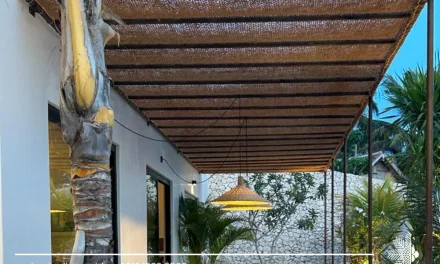
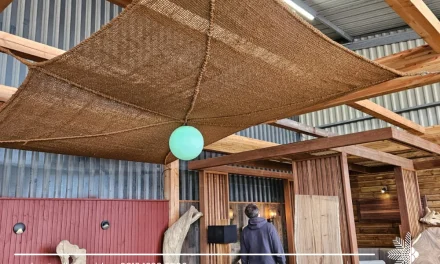
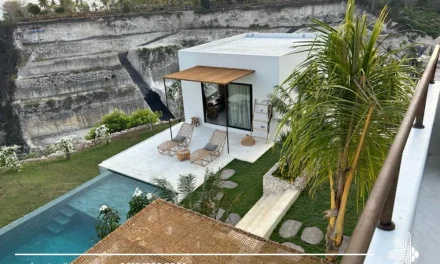
backyard shade sails are rapidly becoming a defining feature of modern outdoor living spaces as homeowners seek practical and stylish solutions to cope with rising temperatures and increased sun exposure. The background of this trend can be traced to shifting lifestyle patterns, where families spend more time at home and invest in improving their private outdoor areas. As climate patterns bring longer and hotter summers to many regions, demand for flexible shading systems has grown significantly.
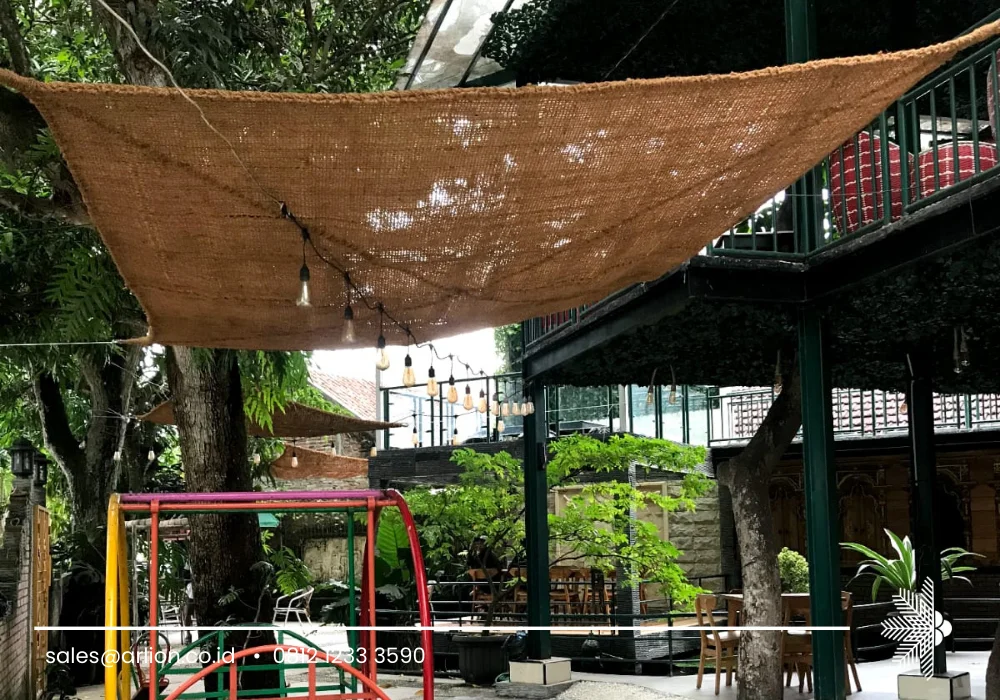
Industry observers report that backyard shade sails are increasingly favored over traditional pergolas and fixed awnings because of their versatility, aesthetic appeal, and cost efficiency. With urban homes often limited in space, adaptable shade structures provide an effective way to transform patios, gardens, and poolside areas into comfortable environments suitable for relaxation and social gatherings.
Rising Demand in Residential Markets
The global home improvement market has seen steady growth over the past several years, driven by renovation projects and lifestyle upgrades. Within this broader expansion, backyard shade sails have emerged as one of the most sought-after outdoor additions.
Retailers and contractors note that consumers are prioritizing multifunctional features that enhance comfort while maintaining visual appeal. Unlike permanent roofing extensions, shade sails offer flexibility in installation and design, making them attractive to homeowners seeking customizable options.
Influence of Climate Awareness
Growing awareness of heat-related health risks has contributed to the popularity of shading solutions. Public health campaigns frequently emphasize the importance of reducing direct sun exposure during peak hours. As a result, backyard shade sails are often promoted as practical tools for creating safer outdoor spaces.
Architectural experts also point out that shade installations can contribute to lowering ambient temperatures around the home. By reducing direct sunlight on patios and windows, these systems may help decrease indoor heat gain and potentially reduce energy consumption.
Design Innovation and Aesthetic Appeal
Modern homeowners increasingly view outdoor spaces as extensions of indoor living areas. Designers incorporate cohesive color palettes, furniture arrangements, and landscaping elements to create inviting environments. Backyard shade sails fit seamlessly into these design strategies due to their sleek and contemporary appearance.
Manufacturers now offer a wide variety of shapes, sizes, and fabric options. Triangular, rectangular, and custom configurations allow for creative installations that complement architectural styles. The adaptability of backyard shade sails enables users to tailor coverage according to specific spatial requirements.
Material Advancements
Technological improvements in fabric engineering have enhanced durability and UV protection. High-density polyethylene and other weather-resistant materials are commonly used to withstand wind, rain, and prolonged sunlight exposure.
These advancements extend product lifespan and reinforce consumer confidence. Industry analysts report that quality assurance and warranty offerings are becoming key differentiators among suppliers.
Installation Trends and Professional Services
The rise in demand has also boosted installation services. While some homeowners opt for do-it-yourself solutions, many choose professional installers to ensure structural stability and optimal tensioning.
Proper installation is critical to performance. Backyard shade sails must be securely anchored to withstand wind loads and prevent sagging. Contractors emphasize careful planning, including evaluating sun angles and structural supports before installation begins.
Urban and Suburban Adoption
Both urban and suburban communities are adopting shade sail solutions. In densely populated cities, compact courtyards and rooftop terraces benefit from lightweight shading systems that do not require heavy construction.
In suburban settings, backyard shade sails are commonly installed above decks, playground areas, and outdoor dining spaces. This widespread applicability has strengthened market growth across diverse residential segments.
Economic Impact on the Outdoor Industry
The expansion of shade sail demand contributes to the broader outdoor living economy. Manufacturers, distributors, hardware suppliers, and installation companies all benefit from rising consumer interest.
Market research firms indicate that backyard shade sails represent a significant portion of seasonal outdoor product sales. As consumer spending on home improvements remains robust, this segment is expected to maintain positive momentum.
Retail and E-Commerce Growth
E-commerce platforms have accelerated product accessibility. Consumers can compare designs, read reviews, and order custom dimensions online. Digital marketing strategies highlight the practical advantages and aesthetic possibilities of shade sail installations.
Brick-and-mortar retailers also report increased inquiries during warmer months. Promotional campaigns often coincide with spring and summer seasons, aligning with peak renovation periods.
Sustainability and Environmental Considerations
Sustainability has become an important factor in consumer decision-making. Many buyers look for products made from recyclable materials or manufactured through environmentally responsible processes.
Backyard shade sails may contribute to energy efficiency by reducing direct sunlight on outdoor surfaces and adjacent indoor areas. Some environmental experts suggest that shading systems can indirectly support sustainable living by minimizing reliance on air conditioning.
Responsible Manufacturing Practices
Producers are increasingly transparent about sourcing and production methods. Certifications and compliance with international quality standards enhance credibility in competitive markets.
As awareness grows, environmentally conscious consumers continue to drive demand for durable and responsibly produced shading solutions.
Challenges and Market Competition
Despite strong growth, the industry faces challenges. Fluctuating raw material prices and supply chain disruptions can influence production costs. Competition among manufacturers also intensifies as more brands enter the market.
To remain competitive, companies focus on innovation, customer service, and warranty support. Backyard shade sails that combine durability with aesthetic appeal tend to perform well in consumer satisfaction surveys.
Weather-Related Considerations
Extreme weather events may affect consumer perceptions. While properly installed systems are designed to withstand typical conditions, severe storms require precautionary measures.
Educational outreach from manufacturers and installers helps homeowners understand maintenance and seasonal adjustments.
Future Outlook
Looking ahead, industry forecasts predict sustained growth for outdoor shading products. As climate patterns evolve and remote work arrangements continue, investment in home comfort is likely to remain a priority.
Backyard shade sails are expected to evolve further in terms of smart integration, with potential features such as retractable mechanisms and sensor-based adjustments. Continued innovation may expand their appeal across residential and commercial markets.
Conclusion
The growing popularity of flexible shading systems reflects broader lifestyle changes and environmental awareness. Backyard shade sails have positioned themselves as versatile, cost-effective, and visually appealing solutions for enhancing outdoor comfort. With ongoing technological advancements and strong consumer interest, this segment of the home improvement industry is poised for continued expansion.
For more information, you can contact WhatsApp (+62) 812-1233-3590 or via email sales@arlion.co.id.